
Introduction
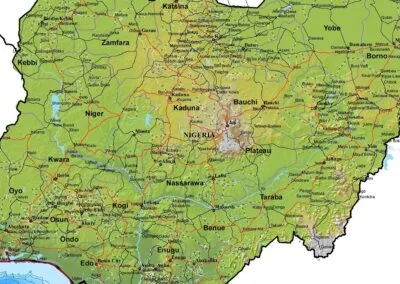
Geospatial data has become a critical resource in today’s data-driven economy. From urban planning and agriculture to infrastructure development, environmental monitoring, and disaster management, spatial intelligence now underpins informed decision-making across sectors. As demand for accurate and timely spatial data increases, the need for skilled geospatial professionals in Nigeria continues to grow.
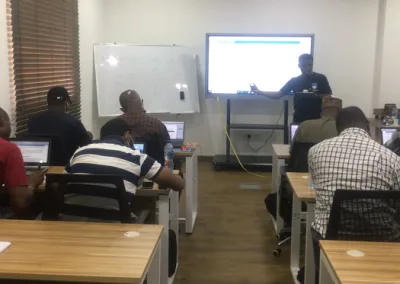
GeoinfoAcademy is responding to this demand by providing structured, practical, and industry-aligned geospatial training in Nigeria. Through focused programs in GIS training, drone surveying, DGPS, and AutoCAD, the academy equips learners with the technical competence required to operate effectively in modern geospatial workflows.
Geospatial Training in Nigeria and the Need for Practical Skills
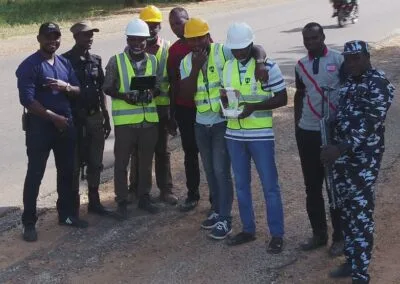
Nigeria’s rapid urbanization, expanding infrastructure, and environmental challenges require professionals who can collect, analyze, and interpret spatial data accurately. Traditional academic exposure alone is often insufficient to meet industry expectations. Employers increasingly seek professionals with hands-on experience in GIS software, field data collection, and spatial analysis.
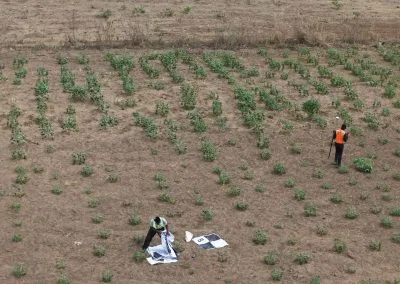
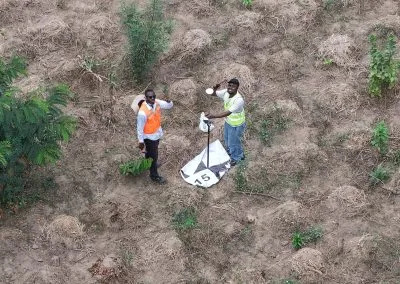
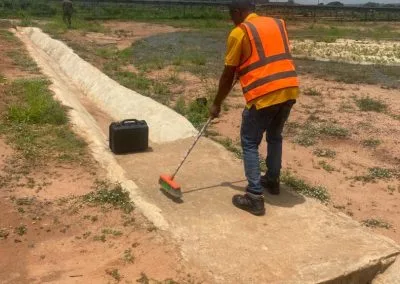
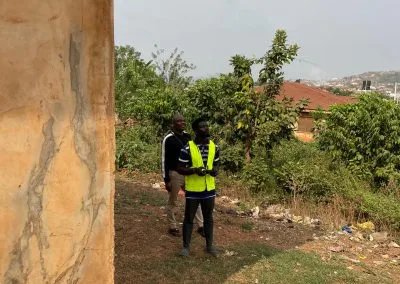
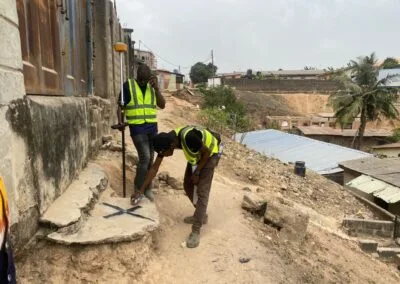
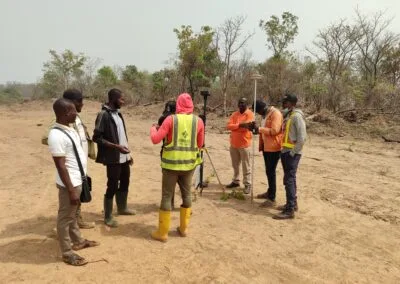
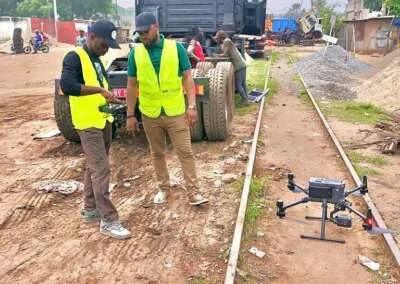
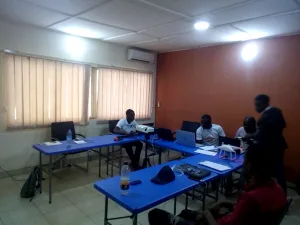
GeoinfoAcademy addresses this gap by emphasizing applied geospatial education. Its training approach focuses on real-world datasets, practical field exercises, and workflow-based learning rather than purely theoretical instruction.
GIS Training with Real-World Application
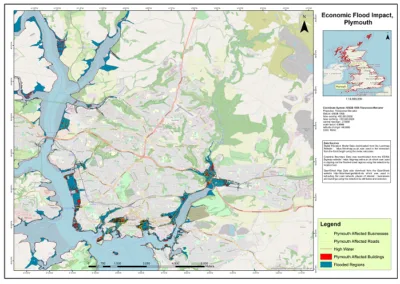
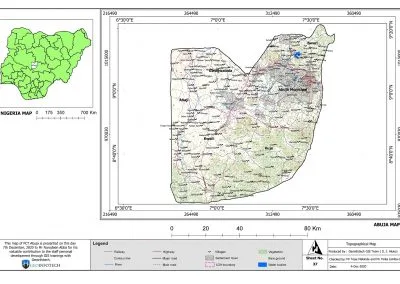
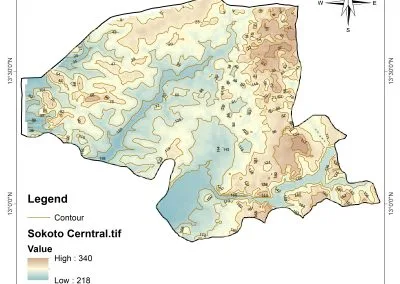
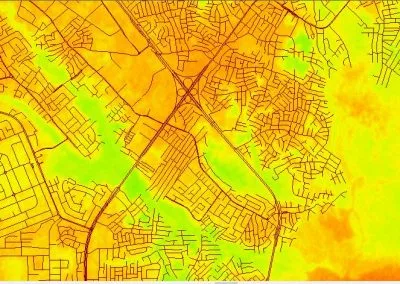
At the core of GeoinfoAcademy’s programs is its GIS training in Nigeria, designed to build strong foundations in spatial thinking and analysis.
Learners are introduced to:
- Spatial data models and mapping principles
- Coordinate reference systems and projections
- Data creation, editing, and management
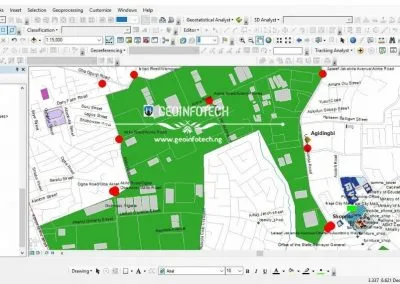
- GIS software such as ArcGIS and QGIS
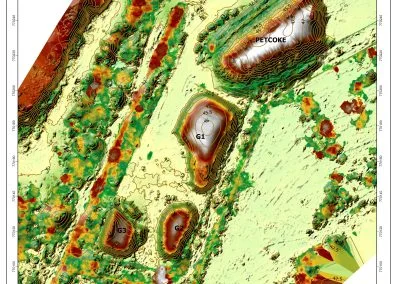
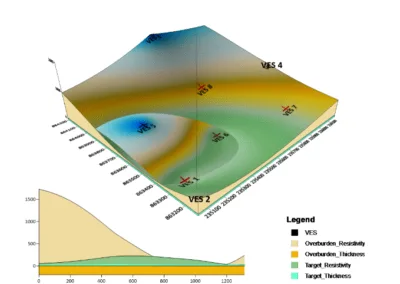
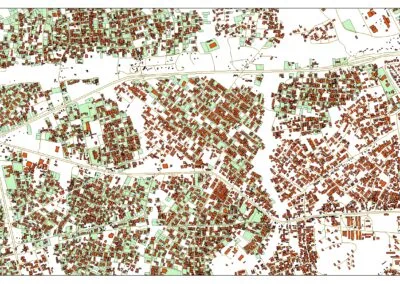
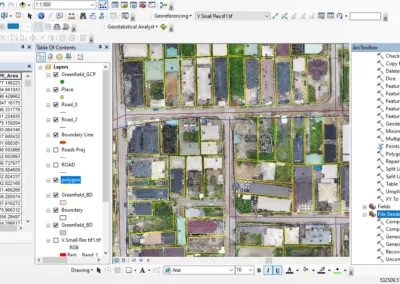
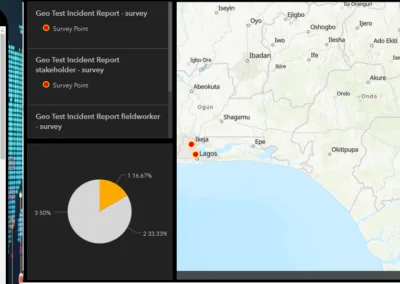
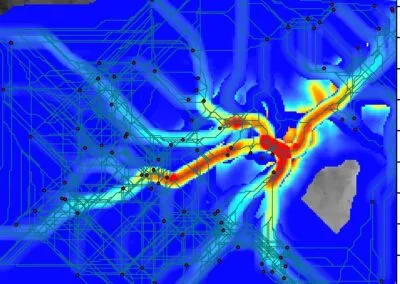
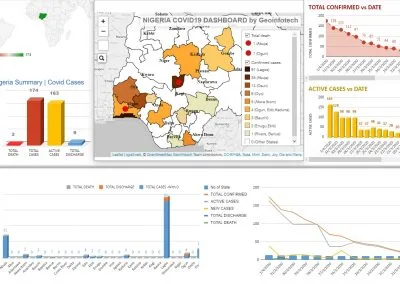
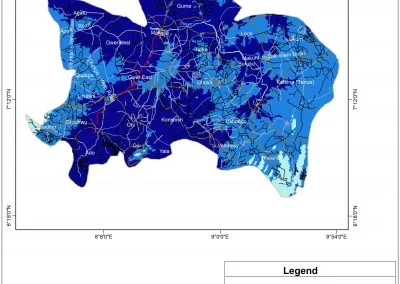
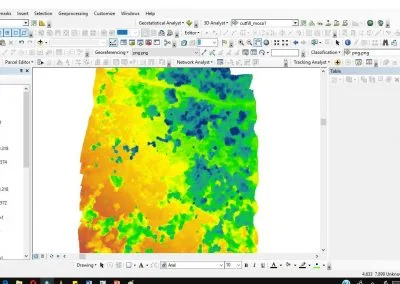
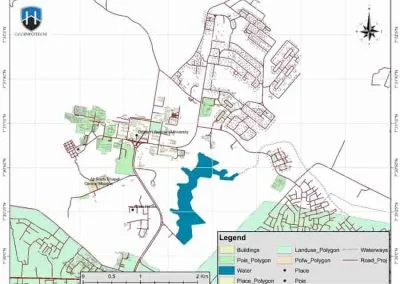
As training progresses, students engage in spatial analysis, database management, and problem-solving exercises that reflect professional GIS environments. Project-based learning allows participants to apply GIS tools to planning, environmental management, and infrastructure-related scenarios, helping them build practical portfolios that demonstrate job-ready competence.
Drone Training in Nigeria for Modern Mapping and Data Capture
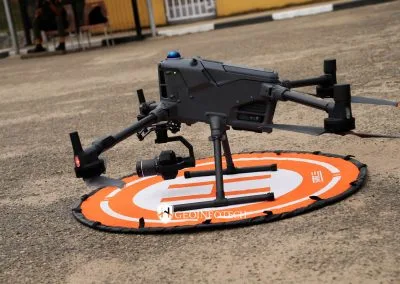
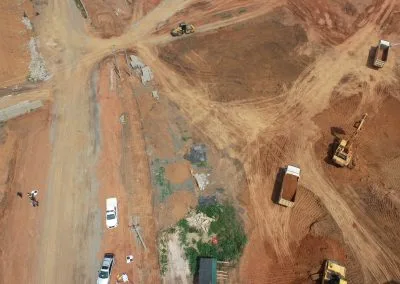
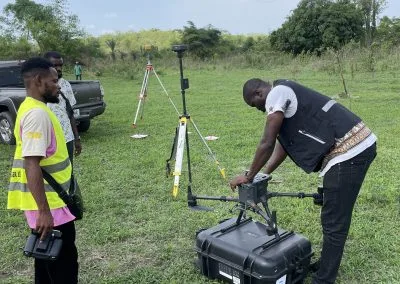
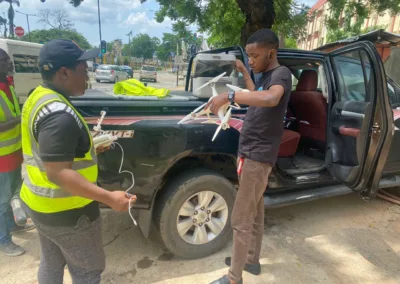
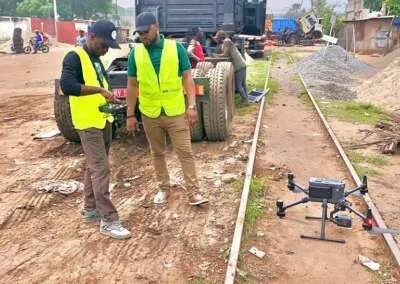
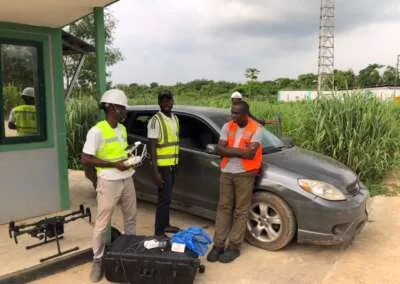
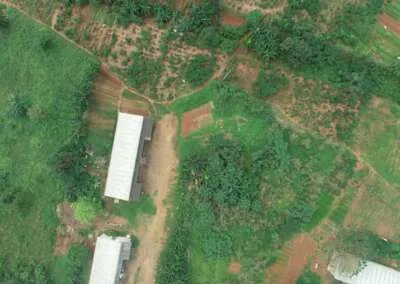
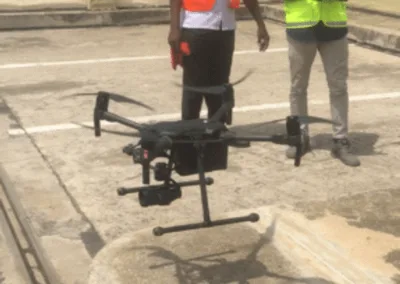
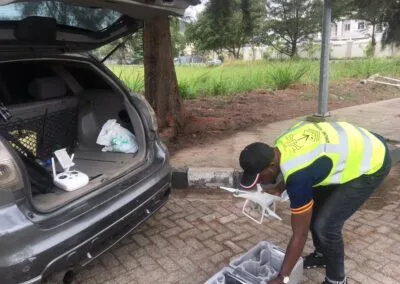
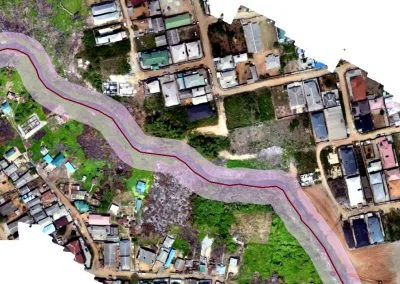
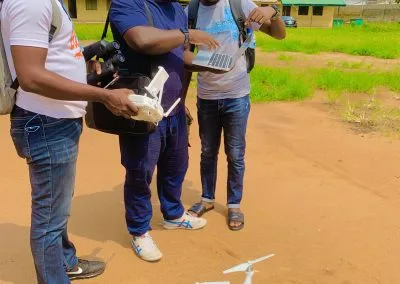
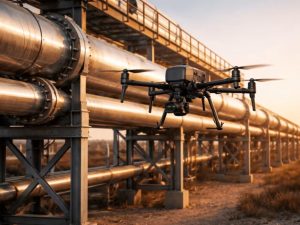
The increasing demand for high-resolution spatial data has made drone surveying a key skill in the geospatial industry. GeoinfoAcademy offers professional drone training in Nigeria focused on mapping, surveying, and spatial data acquisition.
The drone training program covers:
- UAV fundamentals and flight regulations
- Mission planning and safety procedures
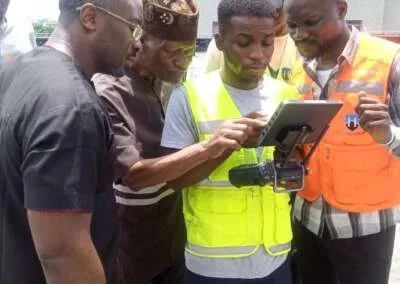
- Aerial data capture techniques
- Photogrammetry and data processing workflows
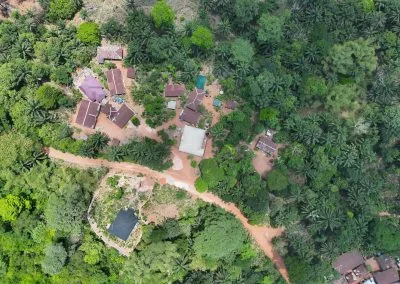
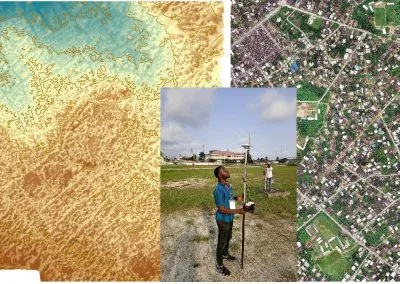
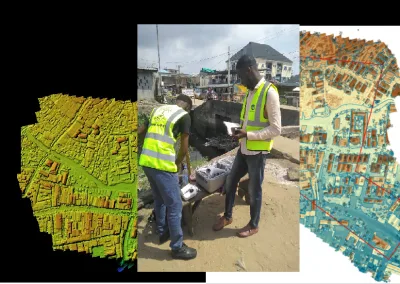
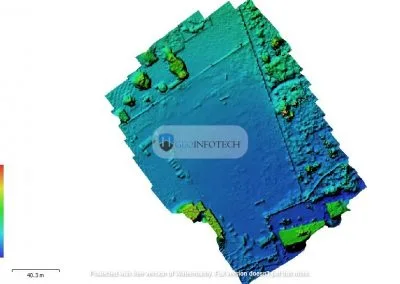
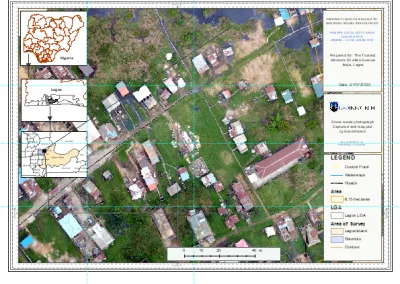
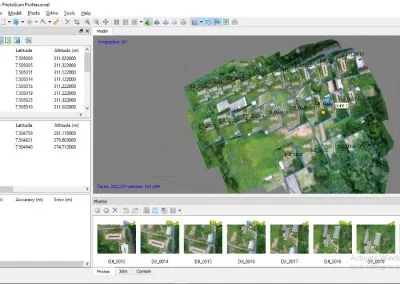
Students learn how to generate orthomosaics, digital elevation models, and three-dimensional outputs that integrate seamlessly into GIS platforms. This training prepares learners for applications in agriculture, construction monitoring, environmental assessment, and land surveying.
DGPS Training for High-Accuracy Positioning
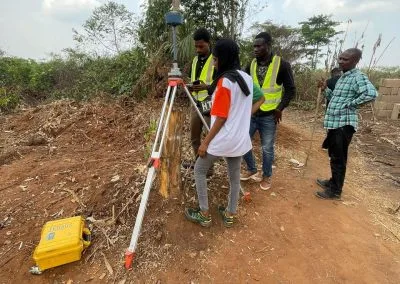
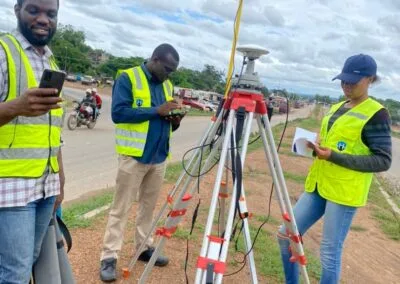
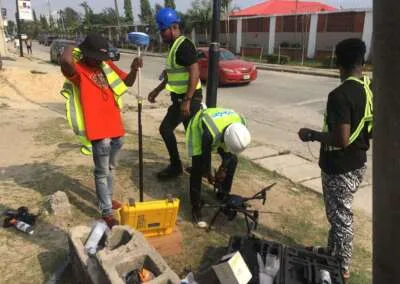
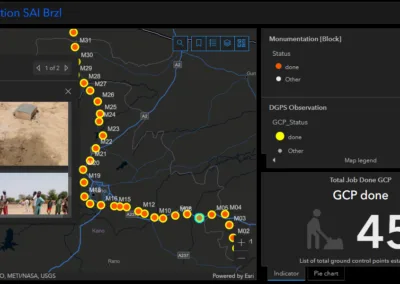
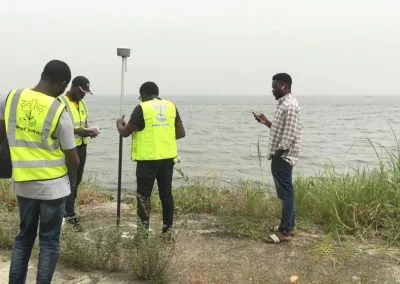
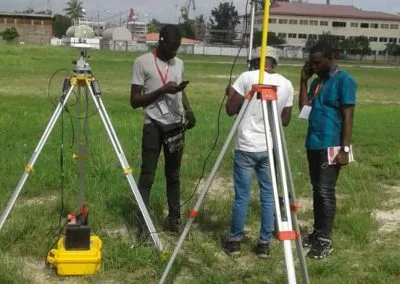
Accuracy remains a critical requirement in surveying, land administration, and engineering projects. GeoinfoAcademy’s DGPS training equips learners with the skills needed to achieve precise positioning and reliable spatial data.
Participants are trained to:
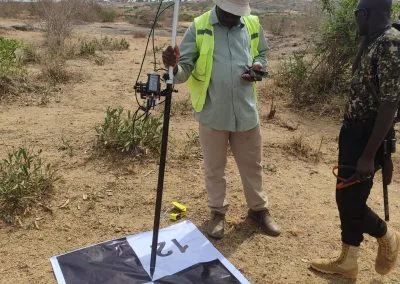
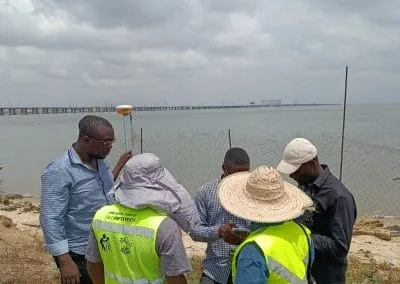
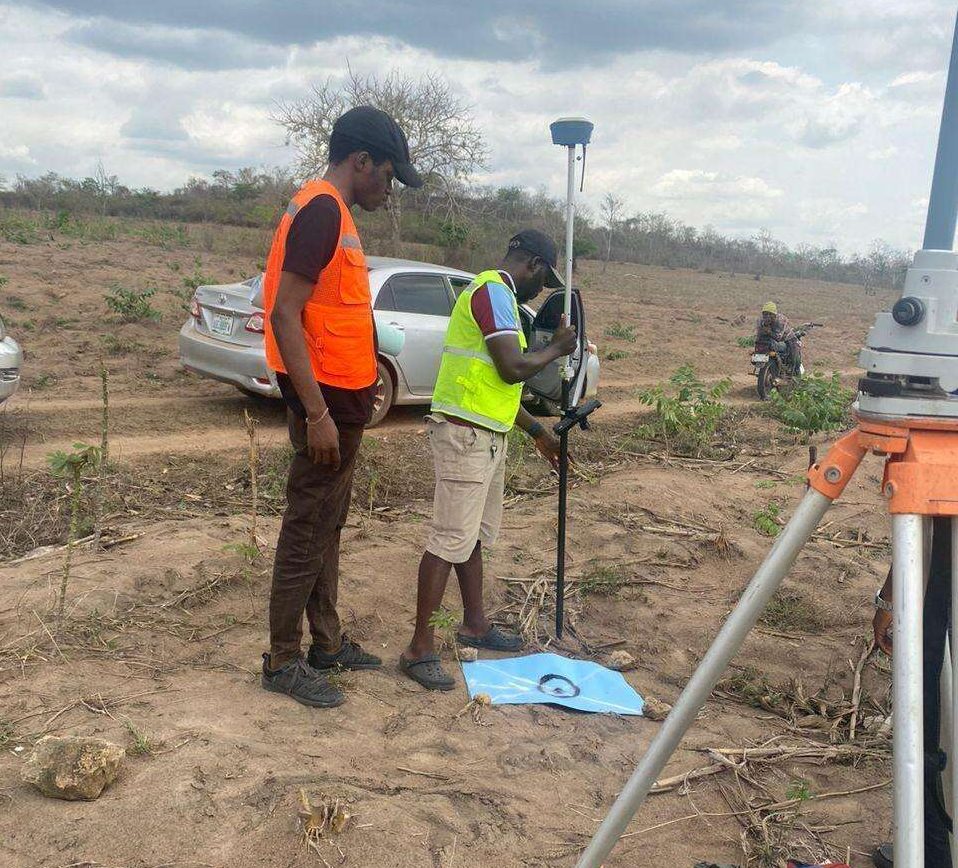
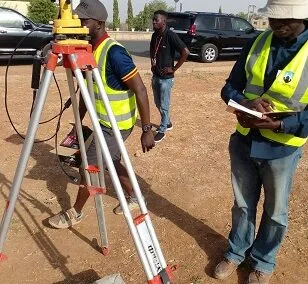
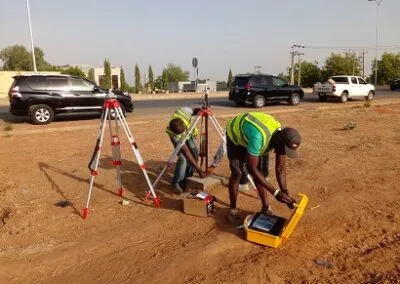
- Operate DGPS equipment effectively
- Collect and process high-accuracy field observations
- Understand error sources and data quality
- Integrate DGPS outputs into GIS and mapping workflows
This training is particularly relevant for professionals involved in cadastral surveys, infrastructure development, and engineering control, where positional accuracy is non-negotiable.
AutoCAD Training for Geospatial and Surveying Professionals
To complement spatial analysis and field data collection, GeoinfoAcademy provides AutoCAD training tailored to geospatial and surveying applications.
Learners develop skills in:
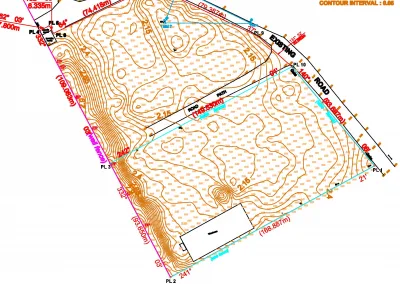
- Producing technical drawings and plans
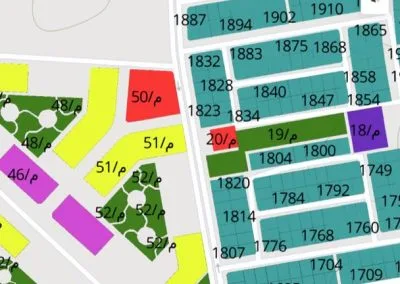
- Converting survey and GIS data into design-ready outputs
- Preparing layouts for engineering and construction projects
This cross-disciplinary skillset improves collaboration between surveyors, GIS analysts, engineers, and planners, strengthening professional versatility.
Supporting Career Development Beyond Technical Training
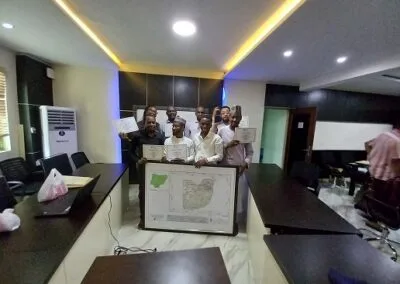
GeoinfoAcademy extends its impact beyond classroom instruction. Learners benefit from mentorship, exposure to professional workflows, and guidance on career development within the geospatial industry.
By combining certification-oriented training with practical exposure, the academy ensures that students are confident in both field operations and office-based analysis. This approach supports smooth transition into employment, consultancy roles, or independent professional practice.
Why GeoinfoAcademy Matters in Nigeria’s Geospatial Landscape
As Nigeria increasingly relies on spatial data for governance, development, and environmental management, the role of skilled geospatial professionals becomes more critical. GeoinfoAcademy contributes to this ecosystem by offering accessible, practical, and industry-relevant geospatial education.
Through GIS training, drone surveying, DGPS, and AutoCAD courses, the academy prepares learners to meet current industry demands while remaining adaptable to evolving geospatial technologies. Its focus on applied learning ensures that graduates are not only trained in tools, but capable of solving real spatial problems.
Conclusion
GeoinfoAcademy is playing a significant role in advancing geospatial training in Nigeria. By integrating GIS education, drone training, DGPS accuracy, and AutoCAD drafting skills, the academy develops professionals equipped for modern geospatial challenges.
Rather than teaching software in isolation, GeoinfoAcademy emphasizes spatial thinking, data quality, and real-world application. This approach is essential for building a competent geospatial workforce capable of supporting national development and contributing to the global geospatial industry.