
Organizations today generate vast amounts of data from population records, infrastructure systems, environmental monitoring, customer interactions, and sensor networks. The challenge is no longer data availability but converting data into insights that support effective decision making. Geographic Information Systems provide the spatial context needed to achieve this, and GIS analysts play a central role in transforming location-based data into actionable intelligence.
Across public and private sectors, spatial data has become critical to planning, risk assessment, service delivery, and long-term strategy. As a result, GIS analysts have become essential contributors to organizational decision-making processes.

Who Is a GIS Analyst?
A GIS analyst is a geospatial professional responsible for managing, analyzing, and interpreting spatial data using GIS software and mapping tools. Their role extends beyond map production. GIS analysts structure spatial datasets, apply analytical methods, and extract insights that guide operational and strategic decisions.
In many organizations, GIS analysts work closely with planners, engineers, policymakers, managers, and executives. Their responsibility is to ensure that spatial evidence supports decisions related to infrastructure development, resource allocation, risk management, and performance evaluation.
Why Spatial Context Is Critical for Decision Making
Most organizational challenges have a geographic dimension. Decisions about where to locate facilities, how to distribute services, which areas face the highest risk, or how populations interact with infrastructure depend on spatial relationships.
GIS analysts introduce spatial reasoning into decision making by analyzing proximity, patterns, trends, and relationships across datasets. Through spatial decision making, organizations move from assumption-based planning to evidence-driven strategies. GIS analysis reveals insights that are often hidden in non-spatial data tables and reports.
From Data Collection to Spatial Analysis
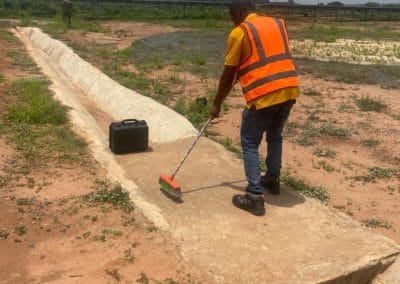
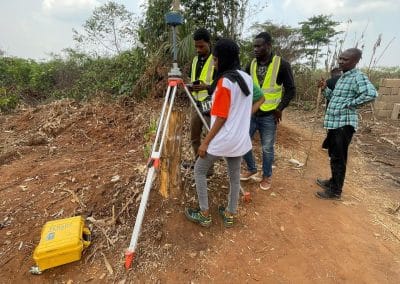
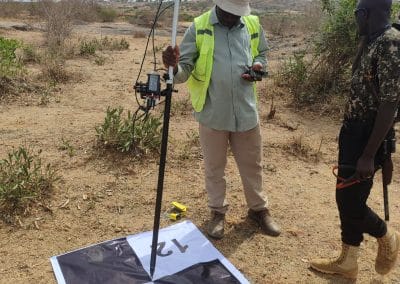
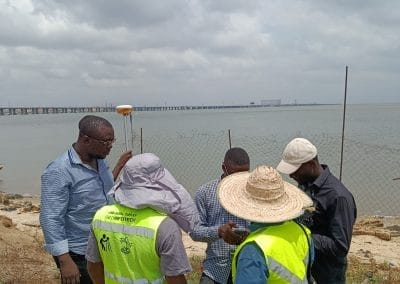
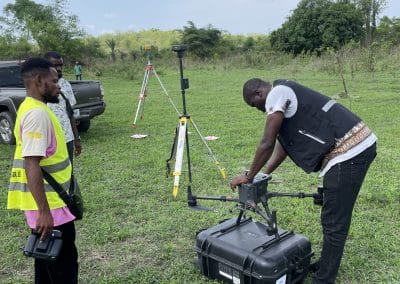
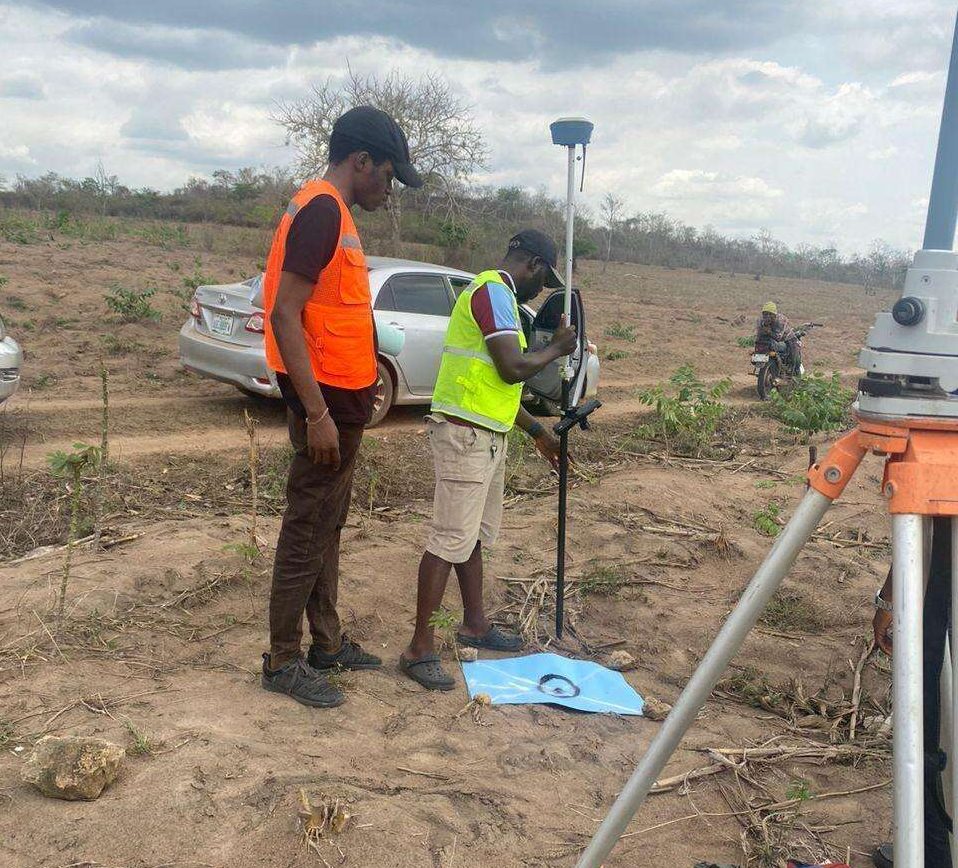
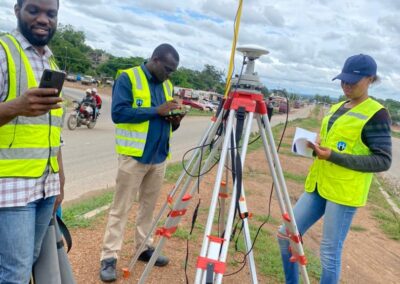
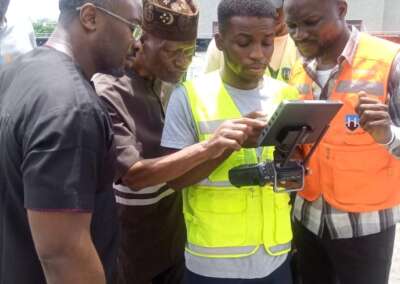
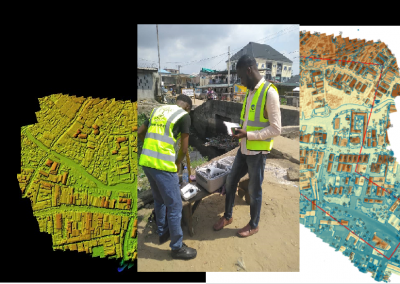
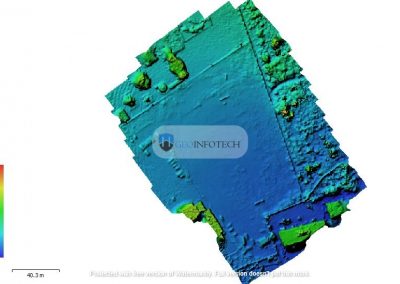
The GIS analysis workflow begins with data collection and data management. Spatial data sources include field surveys, satellite imagery, drones, GPS devices, administrative records, and internal databases. GIS analysts validate data accuracy, ensure consistency, and apply appropriate coordinate reference systems before analysis.
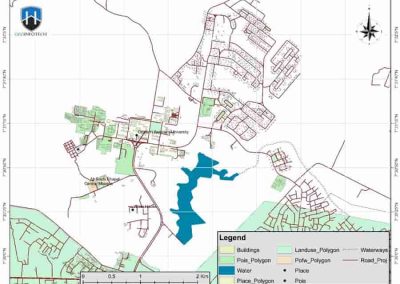
Once prepared, analysts apply spatial techniques such as buffering, overlay analysis, network analysis, suitability modeling, and spatial statistics. These methods help answer practical questions related to accessibility, vulnerability, efficiency, and growth, supporting informed decision making.
GIS Software and Mapping Tools as Decision Support Systems
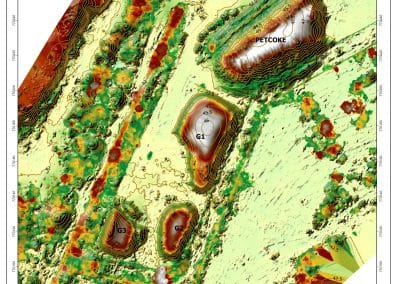
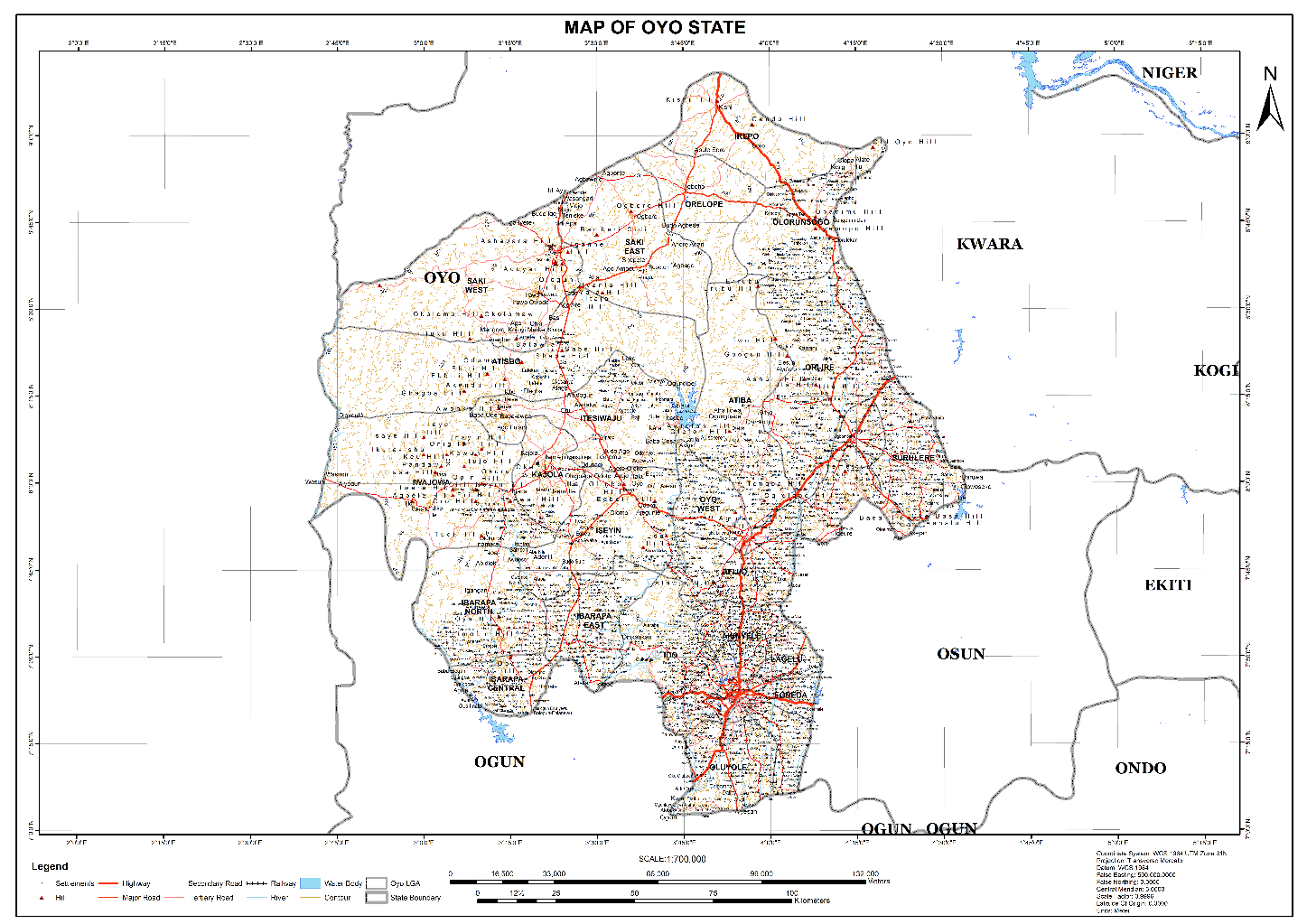
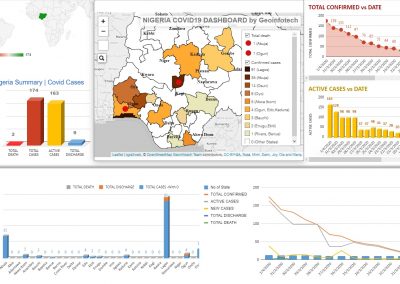
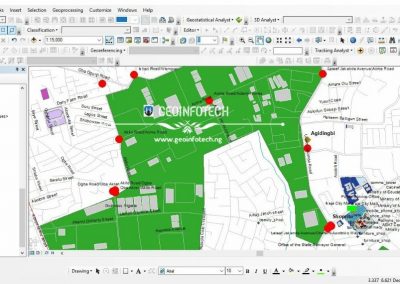
Modern GIS software has evolved into comprehensive decision support platforms. GIS analysts use mapping tools to integrate datasets, perform advanced analyses, and visualize results through maps, dashboards, and web applications.
These outputs allow decision makers to interact with spatial data, compare scenarios, and evaluate outcomes. By presenting complex spatial relationships in an intuitive format, GIS analysts strengthen confidence in planning and operational decisions.
Communicating Spatial Insights to Decision Makers
Effective communication is a core responsibility of GIS analysts. Technical analysis must be translated into clear insights that non-technical stakeholders can understand. GIS analysts use maps, dashboards, reports, and presentations to communicate results concisely and accurately.
Well-designed visualizations help decision makers grasp spatial patterns quickly, ensuring that geographic intelligence directly influences policy development, investment planning, and operational actions.
The Growing Demand for GIS Analysts
As organizations increasingly rely on location-based intelligence, the demand for GIS analysts continues to grow. Geospatial professionals are now employed across sectors such as urban planning, environmental management, public health, logistics, energy, telecommunications, disaster management, and infrastructure development.
GIS analysts contribute to strategic planning, monitoring, optimization, and innovation, making them key members of multidisciplinary decision-making teams.
Skills and Competencies of Effective GIS Analysts
Successful GIS analysts combine technical expertise with analytical and communication skills. Core competencies include spatial data management, coordinate systems, data quality assessment, and proficiency in GIS software and mapping tools.
Equally important are critical thinking, attention to detail, and the ability to explain complex spatial findings in clear and practical terms. These skills enable GIS analysts to bridge the gap between technical analysis and organizational decision making.
The Future Role of GIS Analysts in Organizations
Advances in satellite technology, drones, real-time data systems, and artificial intelligence are rapidly increasing the volume and complexity of spatial data. GIS analysts are uniquely positioned to integrate these technologies into organizational workflows.
As geospatial data becomes more central to planning and operations, the role of GIS analysts will continue to expand, reinforcing their importance in strategic decision making and digital transformation.
Conclusion
GIS analysts play a vital role in transforming raw data into actionable insights that drive informed decision making. By combining spatial thinking, technical expertise, and clear communication, they enable organizations to plan more effectively, manage risks, and optimize resources.
In a data-driven world where location matters, GIS analysts remain among the most valuable professionals supporting modern organizational decision making.