
Drone spraying is changing how Nigerian farms handle crop protection. Instead of walking across fields with a knapsack sprayer, farmers can use drones to apply crop protection products across large areas.
The technology can improve coverage, reduce direct chemical exposure, and reach areas that ground equipment may struggle to access. Commercial farms in Kebbi, Kano, and Benue States are already using agricultural drones for spraying applications.
This guide explains how drone spraying services in Nigeria work. It also covers the main applications, regulatory considerations, and ways to build a drone spraying program for your farm.
How Drone Spraying Works
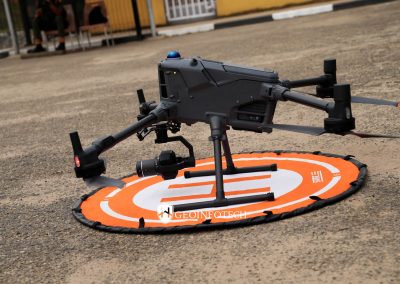
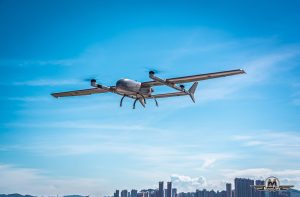
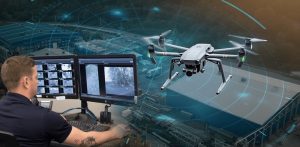
An agricultural spraying drone carries a chemical tank, precision nozzles, and flight-control systems. Many modern platforms also use RTK positioning to follow planned flight paths with high accuracy.
As a result, the drone can maintain consistent flight lines across the field. This helps reduce unnecessary overlap and missed areas during application.
Some spraying drones also use radar or LiDAR-based terrain-following systems. These systems can help the aircraft maintain a suitable height above the crop canopy.
Terrain-following becomes especially useful on sloped or uneven farmland. It can help maintain more consistent spray distribution across changing ground levels.
More advanced systems can also support proportional or variable-rate application. In these workflows, the chemical output can change according to crop type, growth stage, or information from crop monitoring.
Agricultural Spraying Drone Capacity
Several agricultural drone platforms are available for commercial farm operations. The DJI Agras T50, for example, has a 50-litre tank and i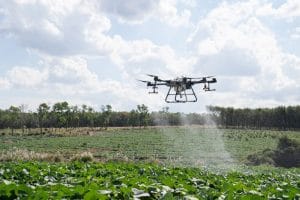 s designed for large-scale agricultural applications.
Larger platforms can provide greater tank capacity and coverage. However, actual performance depends on factors such as crop conditions, flight settings, terrain, payload, and the type of application.
For that reason, farmers should consider the complete operating workflow rather than tank capacity alone.
What Drone Spraying Delivers for Nigerian Farms
The main benefits of drone spraying extend beyond speed. Precision application can also help farms manage chemical use, crop damage, difficult terrain, and worker exposure.
Reduced Chemical Waste
Targeted application can reduce unnecessary chemical use. The source material for this guide reports reductions of roughly 30% to 40% compared with conventional ground equipment.
The exact reduction will depend on the crop, chemical, application method, field conditions, and operating settings. Therefore, farmers should treat this figure as a potential range rather than a guaranteed result.
Using only the amount required for a treatment can also reduce input costs. At the same time, better application control can help reduce the risk of excessive chemical reaching soil or nearby water.
Faster Farm Coverage
Speed is another major advantage of agricultural spraying drones. A drone can cover large areas without requiring workers to walk through the crop.
Ground equipment can also cause soil compaction or damage standing crops. Drones avoid direct vehicle movement through the treated area.
Furthermore, drones can reach locations that may be difficult for tractors or other ground equipment. These include flooded fields, steep terrain, uneven ground, and areas without suitable vehicle access.
Reduced Direct Chemical Exposure
Manual spraying can place workers close to the chemicals being applied. Drone spraying changes this workflow because the operator controls the aircraft from a distance.
Consequently, workers do not need to walk through the field while carrying a chemical sprayer. This can reduce direct exposure during the application process.
However, proper chemical handling and safety procedures remain essential. Drone spraying does not remove the need for trained operators and appropriate protective measures.
Beyond Pesticides: Other Agricultural Applications
Crop protection is one of the main uses of agricultural spraying drones. However, the same technology can support several other farm applications.
Fertilizer and Nutrient Application
Spraying drones can deliver liquid or granular agricultural inputs. Farmers can use field data to identify areas that require specific treatments.
This approach can help move farms away from blanket application. Instead, farmers can make treatment decisions based on crop conditions and available field information.
Seeding and Biological Applications
Some agricultural drone platforms also support seeding applications. Certain systems can distribute seeds or biological materials across selected areas.
The suitability of this approach depends on the crop, material, drone platform, and field conditions. Farmers should therefore assess the application requirements before selecting equipment.
Crop Health Monitoring and Spraying
Drone spraying can also work alongside crop monitoring. Multispectral or thermal imagery can help identify areas that require closer attention.
The monitoring data can then support treatment decisions. As a result, farmers can move toward a more targeted crop management workflow.
Instead of spraying the entire farm on a fixed schedule, the farm team can use available crop information to guide treatment.
Drone Spraying Regulations in Nigeria
Drone spraying in Nigeria involves both aviation and agricultural chemical considerations. Operators must therefore pay attention to the requirements that apply to the aircraft and the products being applied.
On the aviation side, agricultural drone operations may require additional approvals and operational documentation. These requirements can include RPAS registration, operational procedures, and risk assessments, depending on the operation.
Farmers should confirm the current requirements with the Nigerian Civil Aviation Authority (NCAA) before starting commercial drone spraying operations.
Chemical products have separate requirements. The National Agency for Food and Drug Administration and Control (NAFDAC) regulates pesticides and other relevant products in Nigeria.
Therefore, farmers and service providers should confirm that products used for spraying are properly registered and approved for their intended use.
Why Regulatory Compliance Matters
Drone spraying combines aircraft operations with chemical application. Both areas require careful management.
For this reason, farms should work with qualified and properly authorized operators. The operator should also be able to explain how the spraying process meets applicable aviation and chemical requirements.
Regulatory requirements can change over time. Always confirm current requirements with the relevant Nigerian authorities before starting an operation.
Building a Drone Spraying Program for Your Farm
The right approach depends on your farm size, crop type, and spraying frequency. Your choice should also consider how often the farm needs treatment during the growing season.
Hiring a Drone Spraying Service
For small and medium-sized farms, hiring a professional service can be a practical option. You pay for the required application without purchasing and maintaining the aircraft yourself.
This approach can also reduce the need to handle equipment management and operator training internally.
A service provider can schedule flights around pest pressure, disease outbreaks, or planned crop protection activities. The farm can then use the service when the need arises.
Building an In-House Operation
Large commercial farms with frequent spraying requirements may consider owning their own equipment. This approach requires a larger initial investment.
The farm must also consider operator training, equipment maintenance, regulatory requirements, chemical handling, and operational planning.
Over time, an in-house program may make sense for farms with regular and predictable spraying needs. However, the decision should be based on the total operating cost rather than equipment price alone.
Combine Spraying With Crop Monitoring
A stronger precision agriculture program can combine spraying with crop health monitoring. Multispectral imagery, for example, can help identify areas that need attention.
The farm can then use that information to guide treatment decisions. This creates a more targeted workflow than applying the same treatment across the entire field.
Drone Spraying Services From Geoinfotech
Geoinfotech has experience with agricultural drone operations in Nigeria. The company has worked on rice farms in Kebbi and Benue States and on a 60-hectare operation in Kano State.
The source material also identifies the DJI Agras T50 as part of its active spraying operations. This experience supports the company’s wider agricultural drone services.
Geoinfotech’s agricultural capabilities include precision spraying and crop health monitoring. Combining these services can help farms connect field data with treatment decisions.
Agricultural Drone Equipment and Training
Farm owners can also explore agricultural drone equipment through Geoinfotech’s GeoStore. This option may suit larger operations that want to develop their own internal drone capability.
Training programs are available through locations in Ikeja, Jabi, and Port Harcourt. Farm teams can use this training to build practical skills for agricultural drone operations.
For farms that prefer a contracted service, Geoinfotech can also develop a spraying plan based on the farm’s crop, size, and treatment requirements.
Visit Geoinfotech to discuss drone spraying services for your farm.
How to Choose a Drone Spraying Service in Nigeria
Choosing the right provider requires more than comparing prices. Farmers should assess the operator’s experience, equipment, safety procedures, and ability to manage the complete spraying workflow.
Start by asking about the drone platform being used. Find out its tank capacity, application system, positioning technology, and expected field performance.
Next, ask how the provider plans the flight. A professional operation should consider field boundaries, terrain, obstacles, weather, crop height, and the application requirements.
You should also ask how chemical handling is managed. The provider should explain how the selected product, application rate, and safety procedures will be controlled.
Finally, confirm the provider’s regulatory status and relevant operational approvals. This step can help reduce avoidable risks before work begins.
The Future of Drone Spraying in Nigerian Agriculture
Agricultural drones are becoming an important tool for precision farming. Their value comes from more than simply replacing a person with an aircraft.
The technology can combine accurate flight paths, controlled application, crop monitoring, and digital farm data. Together, these capabilities can support more informed treatment decisions.
For Nigerian farms, the benefits can be especially useful where fields are large, terrain is difficult, or labour-intensive spraying is becoming inefficient.
However, successful drone spraying requires more than purchasing a drone. Farmers also need trained operators, suitable products, proper planning, and compliance with applicable requirements.
Final Thoughts on Drone Spraying Services in Nigeria
Drone spraying services in Nigeria offer farms a faster and more targeted approach to agricultural application. The technology can support crop protection, fertilizer application, seeding, and other precision farming tasks.
It can also reduce the need for workers to move directly through treated fields. At the same time, drones can reach areas where tractors and manual spraying may be difficult.
Most importantly, farmers should treat drone spraying as part of a wider farm management system. Combining spraying with crop monitoring can help farms make better treatment decisions.
With the right equipment, trained operators, suitable products, and proper regulatory compliance, drone spraying can become a valuable part of modern Nigerian agriculture.