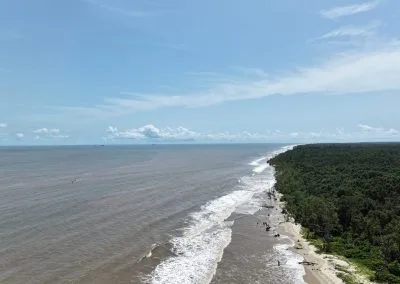

Have you ever wondered how ships safely navigate rivers, ports, and coastal waters without running aground? Picture a vessel moving through the busy waterways of Lagos or along the Niger River. Without accurate depth information, navigation would be risky and slow. This is where hydrographic surveying comes in.
What Is Hydrographic Surveying?
Hydrographic surveying is all about measuring and mapping water bodies. It focuses on water depth, underwater features, and the shape of the seabed. In a country like Nigeria, this kind of surveying is essential for safe navigation, port development, dredging, and environmental monitoring.
How Hydrographic Surveying Works?
Hydrographic surveying uses modern tools and techniques to gather accurate data from rivers, lakes, and coastal zones.
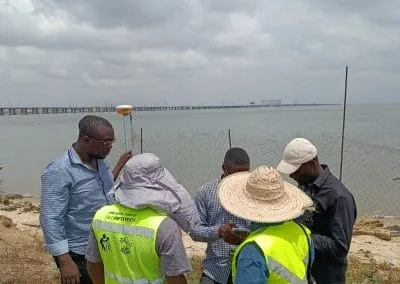
Survey boats move across the water along planned paths to collect measurements. These vessels gather water depth, underwater obstacles such as rocks or debris, and the shape of the seabed.
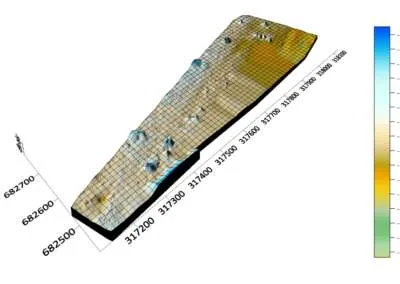
Sonar technology is used to send sound waves to the bottom of the water and measure how long it takes for the waves to return. This provides surveyors with accurate information about depth and seabed structure. Single beam sonar is often used for basic depth measurement, while multibeam sonar creates detailed 3D maps of the seabed.
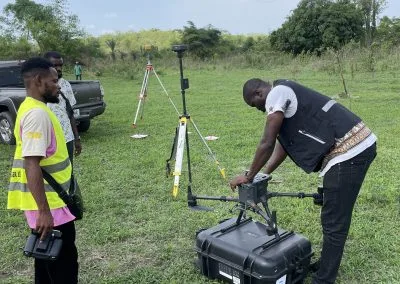
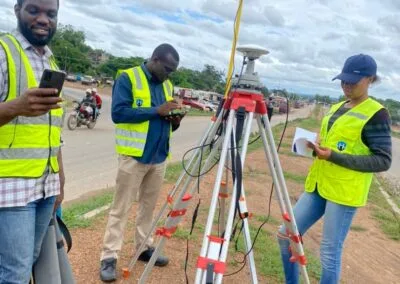
Accurate GPS and positioning systems ensure that every measurement is mapped precisely. This allows for the creation of reliable charts and maps that are essential for navigation and construction.
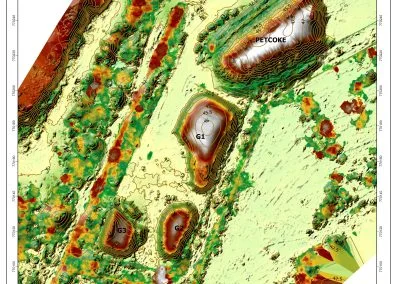
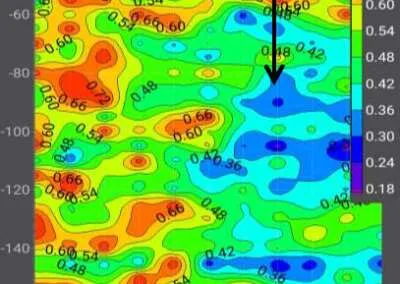
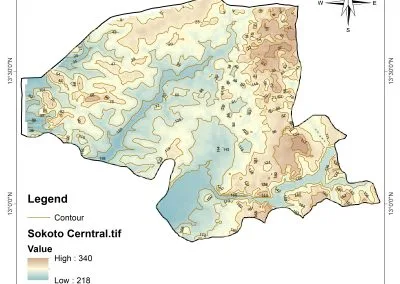
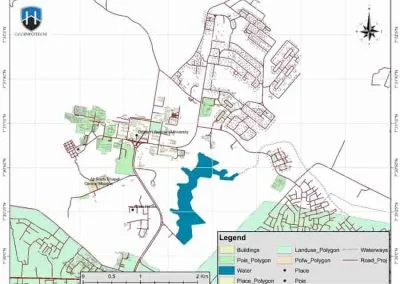
After data collection, specialized software processes the information to produce maps and charts that show depth variations, navigation channels, hazard zones, and seabed contours.
Why It Matters in Nigeria?
Hydrographic surveys are vital across Nigeria’s inland and coastal waters, especially in areas like the Niger Delta. They help ensure safe navigation for ships and boats, support planning for ports and harbors, guide dredging and maintenance of waterways, aid in flood risk assessment and coastal management, and provide essential data for offshore oil and gas operations.
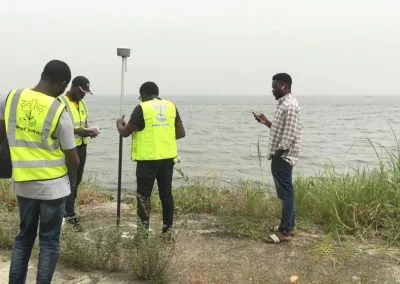
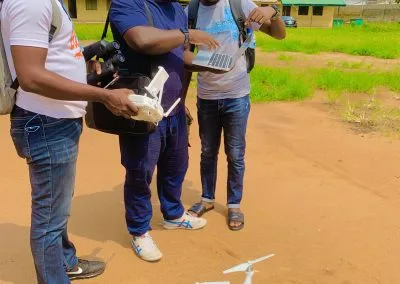
At Geoinfotech, we provide professional hydrographic surveying services across Nigeria’s rivers, lakes, and coastal zones. Using advanced sonar systems, GPS technology, and geospatial software, we deliver accurate maps and data that help ensure safe navigation, plan and design marine infrastructure, guide dredging and environmental projects, and support data-driven decision-making for waterway developments.
Final Takeaway
Hydrographic surveying is more than just measuring water. It is about understanding waterways so that navigation is safe, projects are efficient, and resources are managed sustainably. In Nigeria, this data is crucial for both inland rivers and coastal zones. With the right tools and expertise, organizations can confidently plan and operate in our waterways, reducing risks and supporting long-term development.