

5 Ways GIS Technologies Help Real Estate Developers Make Better Land Decisions
How do real estate developers choose the best land for their projects while avoiding costly mistakes? In Nigeria, where urban growth is rapid and land dynamics are constantly changing, making informed decisions is crucial. Geographic Information Systems (GIS) gives developers the insights they need to plan smarter, safer, and more profitable developments.
1. Identifying Suitable Land for Development
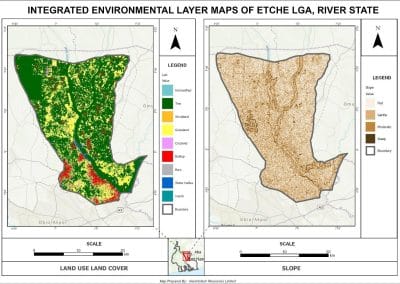
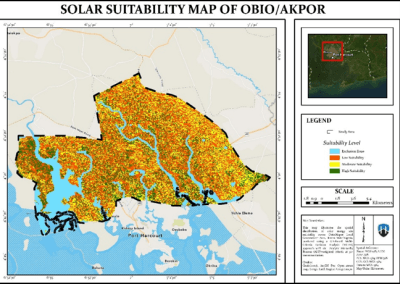
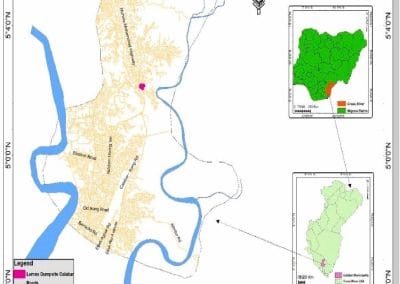
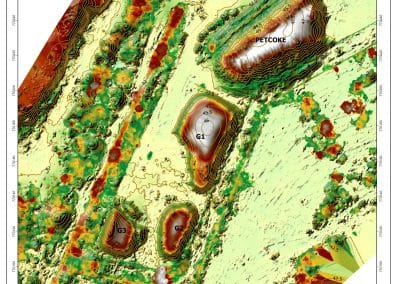
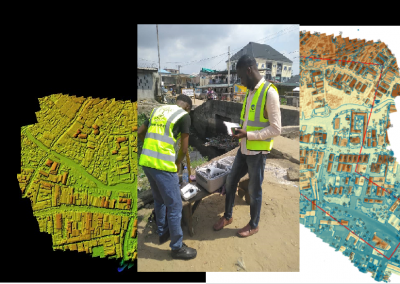
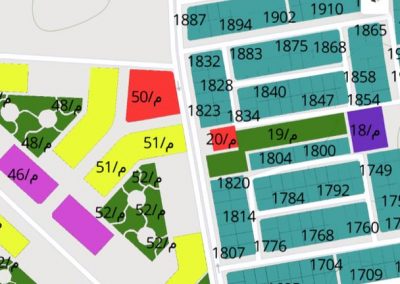
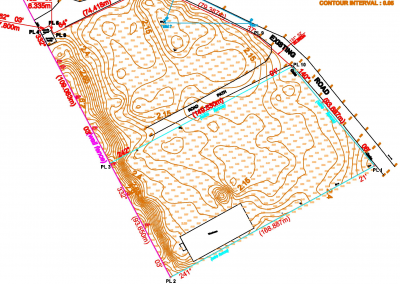
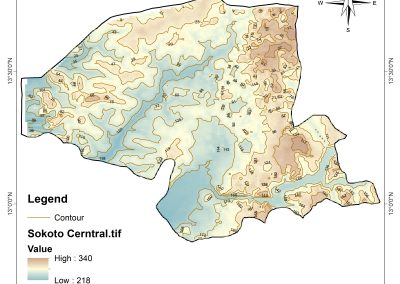
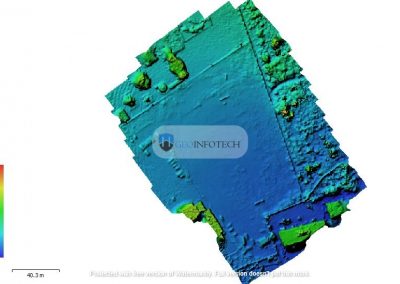
GIS allows developers to map and analyze factors such as topography, soil type, zoning regulations, and proximity to utilities. By layering this information, developers can quickly pinpoint plots that are ideal for residential, commercial, or industrial projects, avoiding areas prone to flooding, erosion, or other risks.
2. Assessing Environmental and Flood Risks
Floods, erosion, and environmental constraints can lead to significant financial losses. GIS provides detailed flood risk maps, drainage patterns, and environmental data, enabling developers to plan safer projects. This proactive approach reduces surprises and ensures long-term sustainability.
3. Understanding Market and Demographic Trends
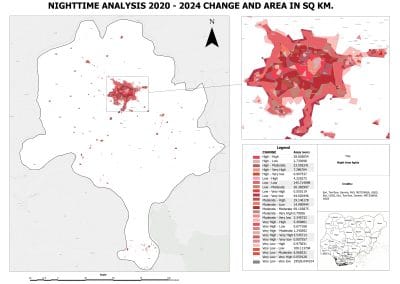
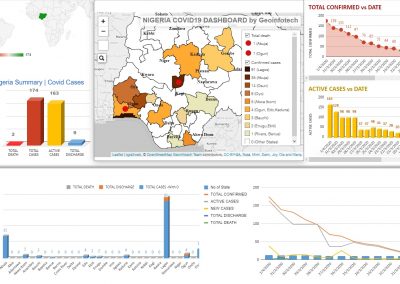
GIS integrates demographic, socioeconomic, and population data to help developers identify high-demand areas. By analyzing trends in population growth, income levels, and urban expansion, developers can decide where to invest and what type of property to build.
4. Planning Infrastructure and Utilities
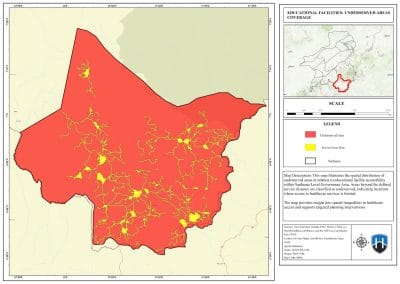
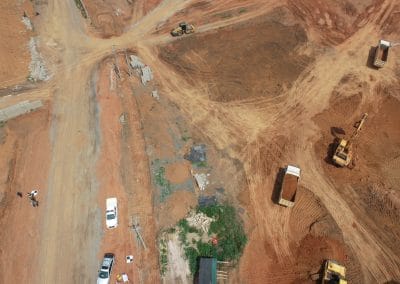
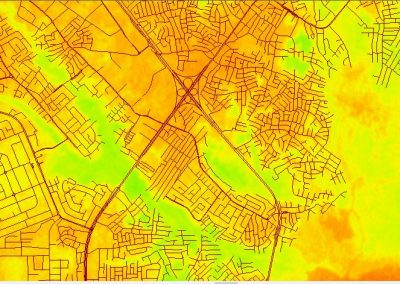
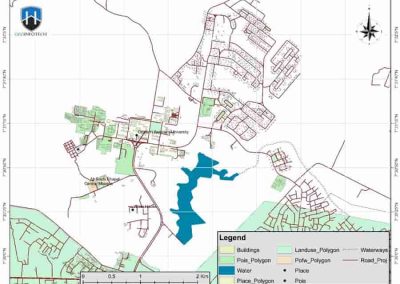
Efficient access to roads, water, electricity, and other amenities is critical for any development. GIS helps developers map existing infrastructure and identify gaps, allowing them to design projects that integrate seamlessly with city utilities while minimizing construction costs.
5. Enhancing Communication and Stakeholder Engagement
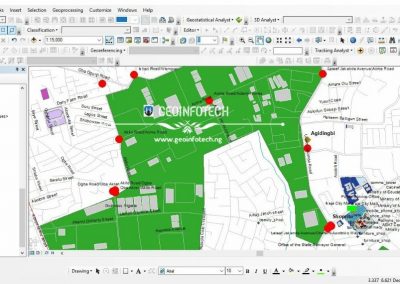
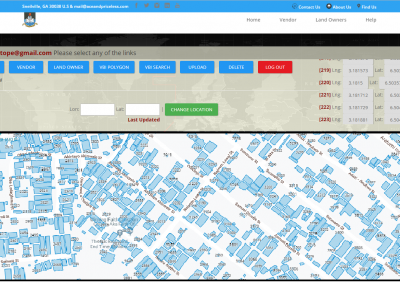
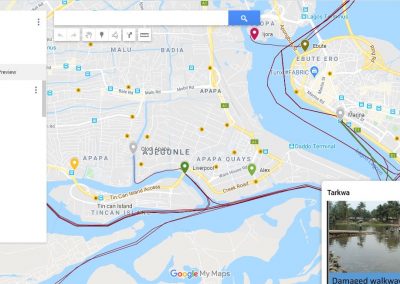
Interactive GIS maps make it easier to present land analysis, site selection, and risk assessments to investors, government authorities, and community stakeholders. Clear visualization builds confidence and facilitates faster approvals and partnerships.
Geoinfotech applies advanced GIS solutions tailored for real estate developers. By analyzing land, environmental, demographic, and infrastructure data, we help developers select the best sites, assess risks, plan layouts, and make informed decisions that maximize returns while reducing uncertainty.
Final Takeaway
GIS is transforming real estate development by turning complex spatial data into actionable insights. Developers who leverage GIS can identify ideal sites, manage risks, optimize infrastructure, and make smarter investment decisions—ensuring projects are sustainable, profitable, and well-planned.