
Land is Nigeria’s most valuable asset. From the bustling tech hubs of Ikeja to the expanding residential estates in Lekki, land underpins our economic growth. Yet, for decades, the Nigerian land sector has been held back by “missing files,” manual paperwork, and endless boundary disputes.
Enter Geographic Information Systems (GIS).
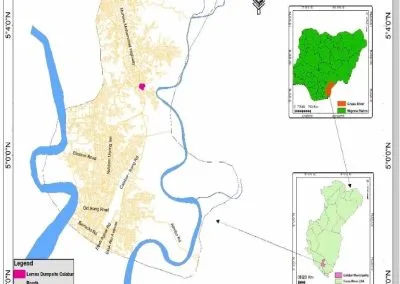
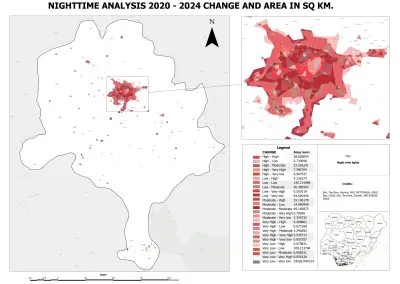
No longer just a tool for geographers, GIS is the digital backbone of a modern, transparent, and efficient Nigeria. In this post, we explore how GIS technology, integrated with drone mapping and satellite data, is fixing the broken links in our land administration system.
1. Say Goodbye to Paper: The Digital Transformation of Land Records
The days of dusty files in state ministries are numbered. Manual records are prone to fire, theft, and “intentional” misplacement.
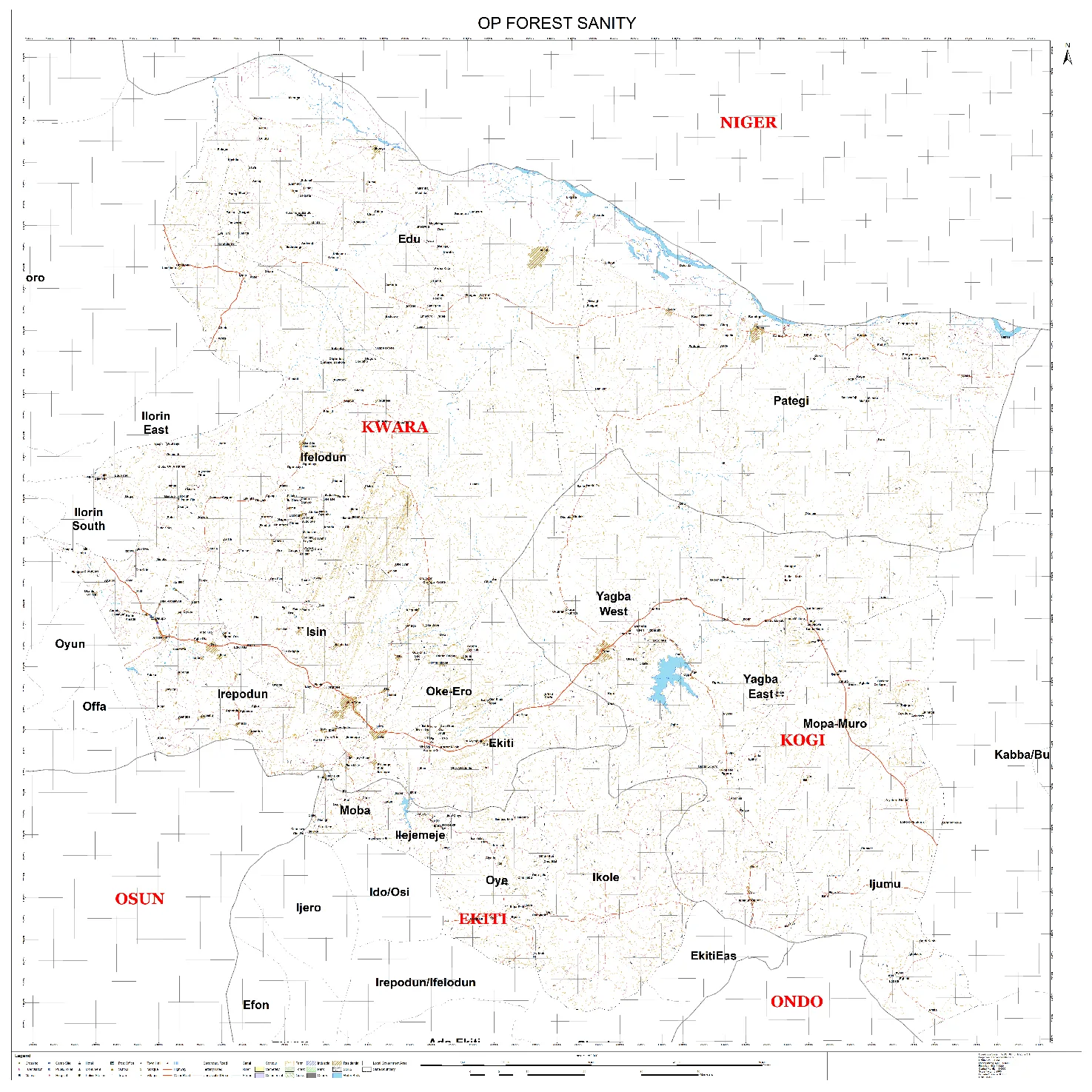
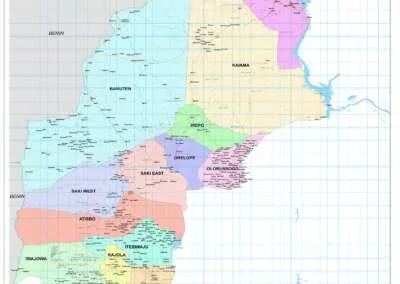
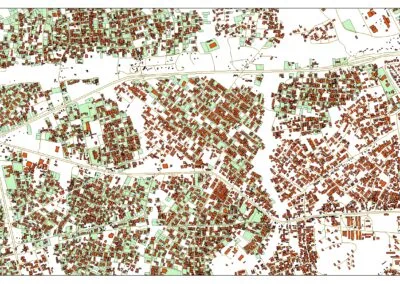
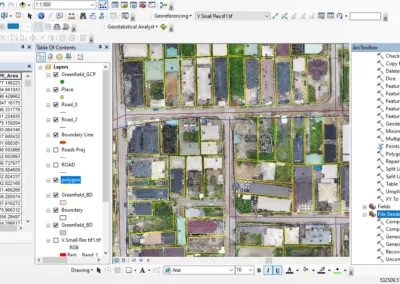
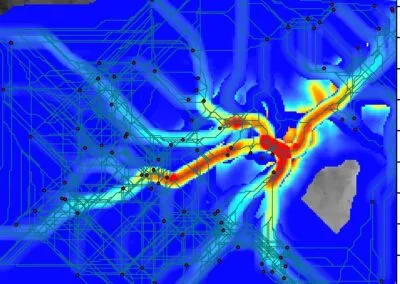
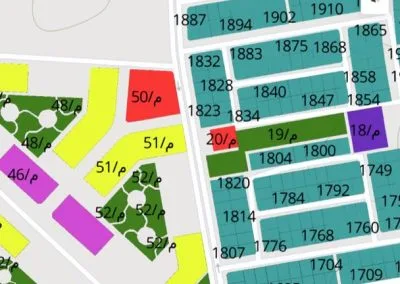
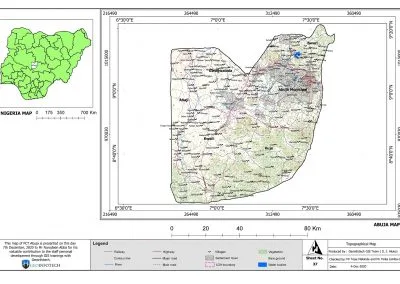
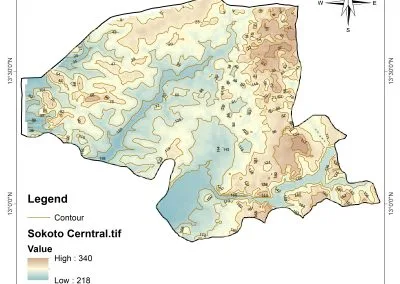
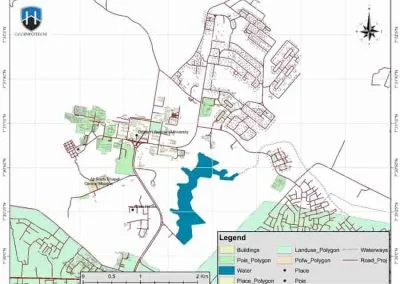
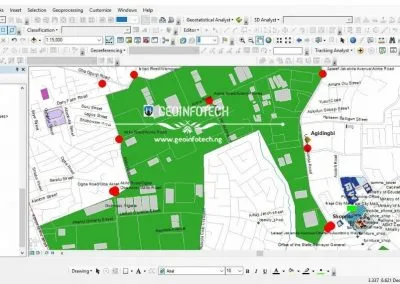
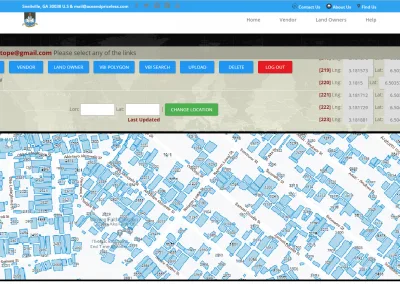
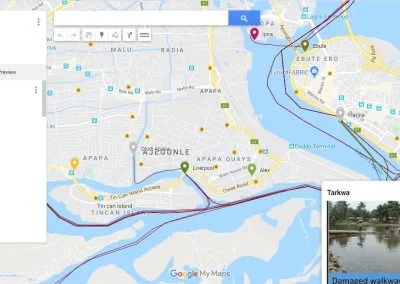
By adopting a Digital Cadastre, Nigerian states are transforming physical maps into georeferenced digital entities.
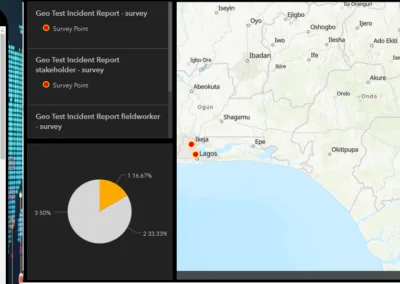
Why it matters: GIS links ownership, land use, and survey data into one searchable database.
The Result: Faster retrieval of records and zero “duplicate” files.
2. Securing Your C of O: Tenure Security in Lagos & Beyond
Whether you are buying property in Ikeja or Abuja, tenure security is the biggest concern for investors. GIS improves the land registration process by ensuring:
Precise Parcel Identification: No more overlapping claims.
Faster Processing: Integration with registry workflows means Certificates of Occupancy (C of O) can be issued in record time.
Fraud Prevention: Digital verification makes it nearly impossible to sell the same piece of land to two different people.
3. Resolving Land Disputes with “Eye in the Sky” Accuracy
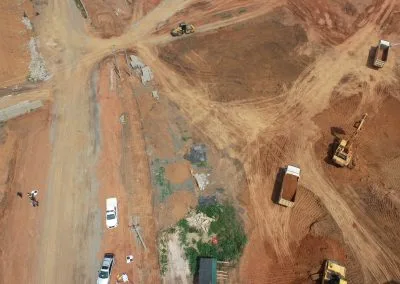
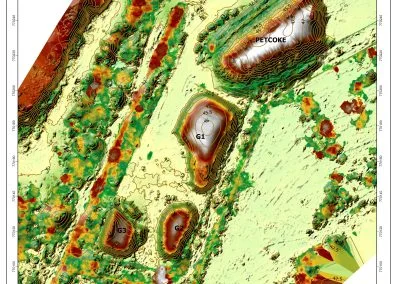
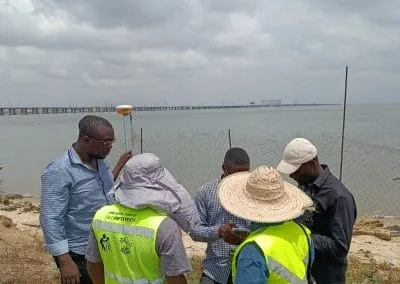
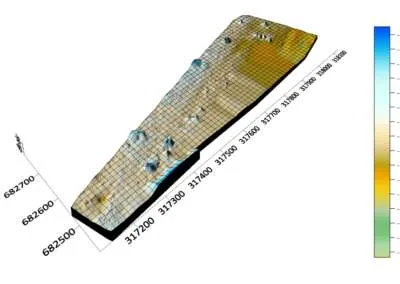
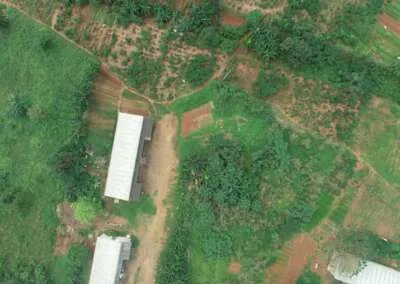
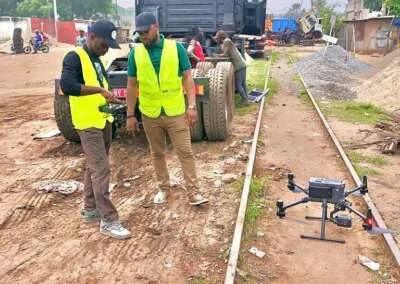
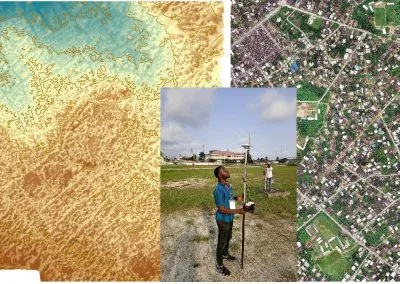
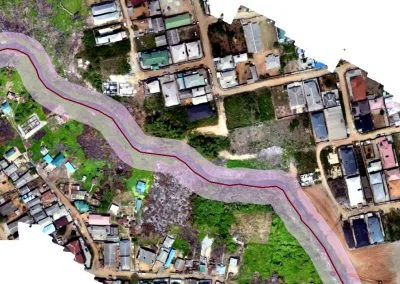
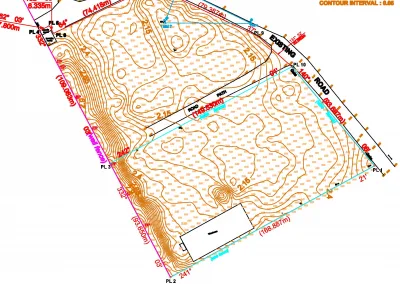
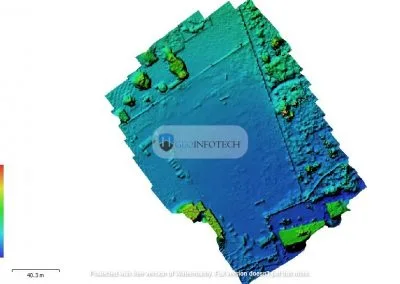
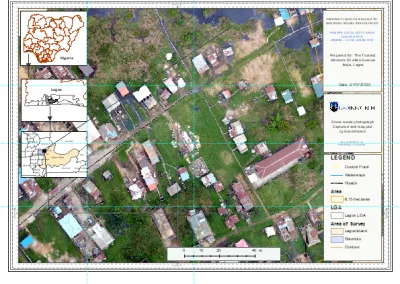
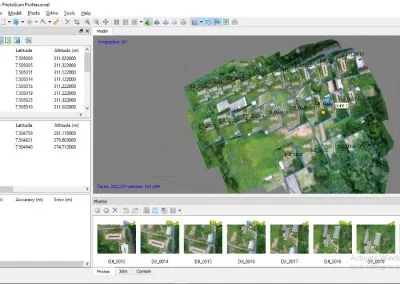
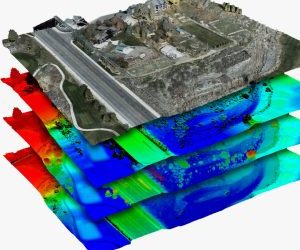
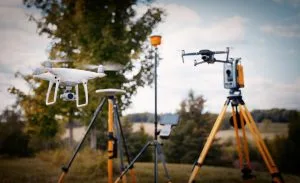
Land disputes in Nigeria often lead to years of litigation. GIS, powered by drone-derived orthomosaics and GNSS data, provides objective, visual evidence.
In a court of law, a georeferenced drone map is worth a thousand testimonies.
By using high-resolution imagery, boundary demarcation becomes transparent, helping traditional authorities and courts settle conflicts fairly and quickly.
4. Smart Cities: Land Use Planning & Development Control
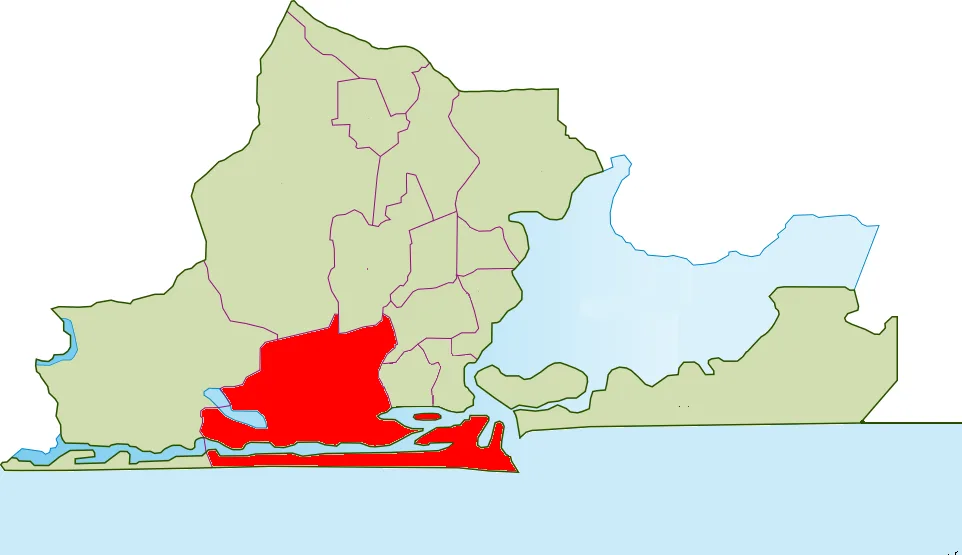
Rapid urbanization in Lagos has led to unplanned slums and environmental risks. GIS provides a spatial decision-support system that allows planning authorities to:
Monitor informal settlements.
Identify encroachment on public lands or wetlands.
Plan infrastructure like roads and drainage with surgical precision.
5. Boosting State Revenue: Smart Land Valuation
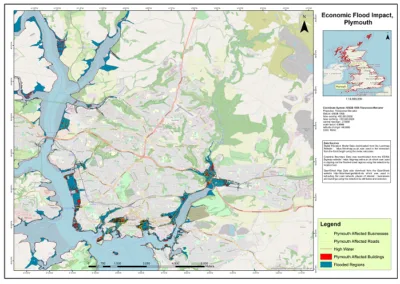
How do we fund the “Lagos of tomorrow”? Through fair property taxation. GIS enables Spatially Based Mass Appraisal, allowing the government to value property based on location, accessibility, and current market trends. This isn’t just about collecting more tax; it’s about fairness and consistency in how property is assessed.
6. Realizing the Potential of the Land Use Act (1978)
The Land Use Act vests land ownership in State Governors. GIS provides the infrastructure needed to manage this responsibility. By maintaining a comprehensive Land Inventory, governors can track land allocations and ensure that land is used for the public good, reducing “discretionary” (and often unfair) land grabs.
The Tech Behind the Transformation
GIS doesn’t work in a vacuum. To stay current in 2026, Nigeria is integrating GIS with:
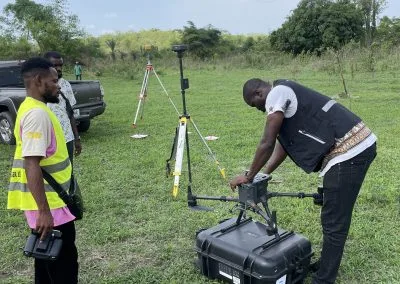
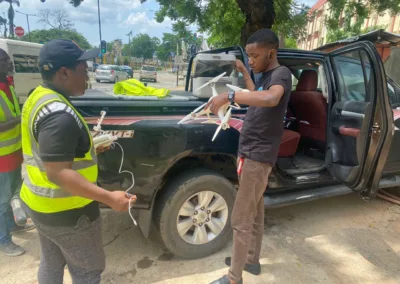
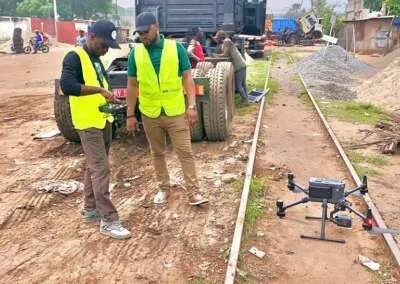
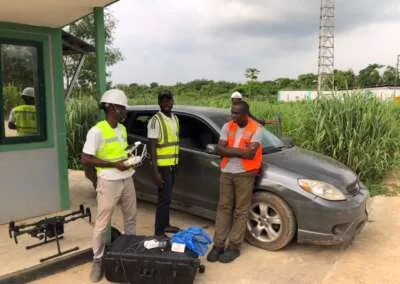
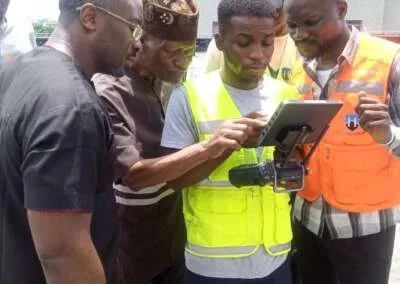
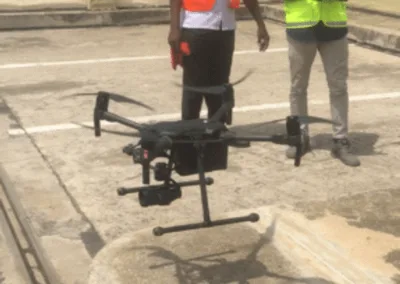
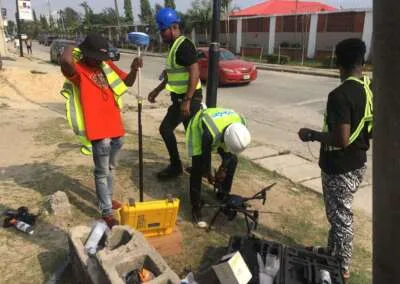
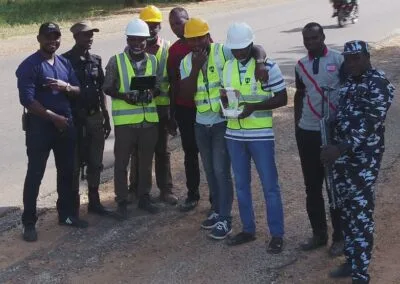
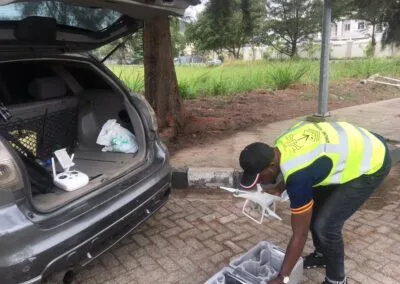
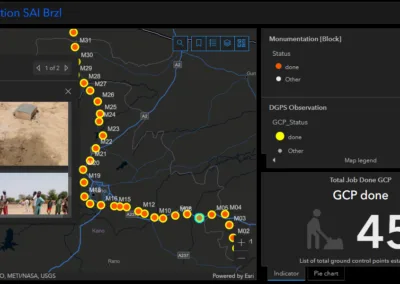
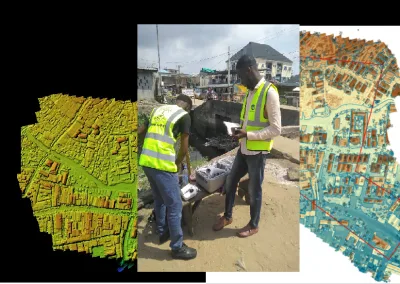
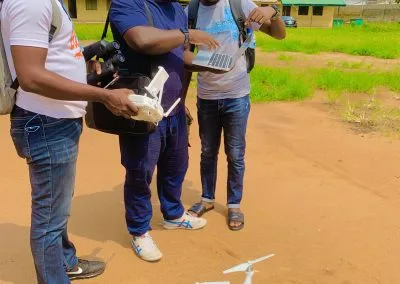
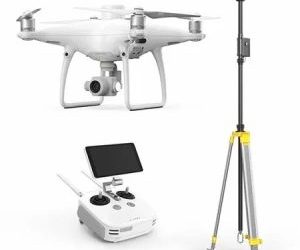
Drone Mapping: For real-time, high-resolution site updates.
Remote Sensing: To monitor environmental changes and erosion.
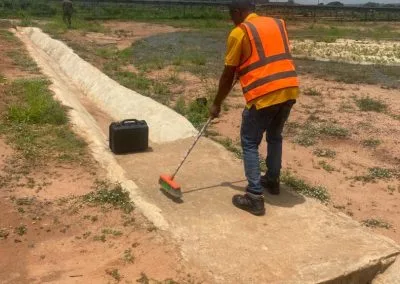
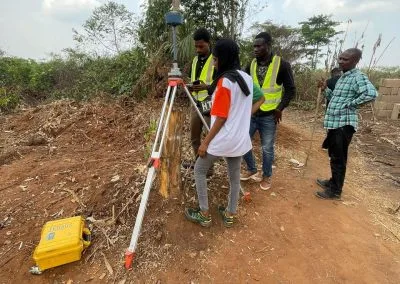
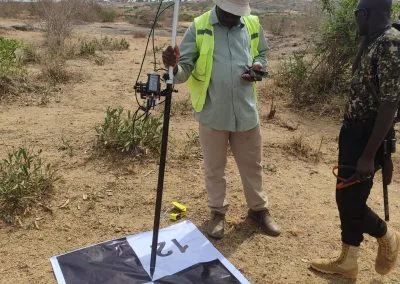
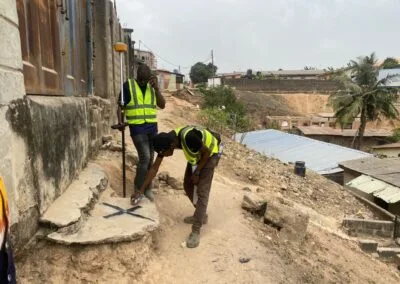
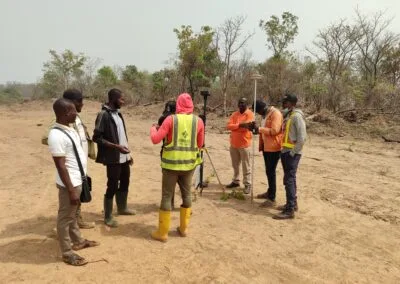
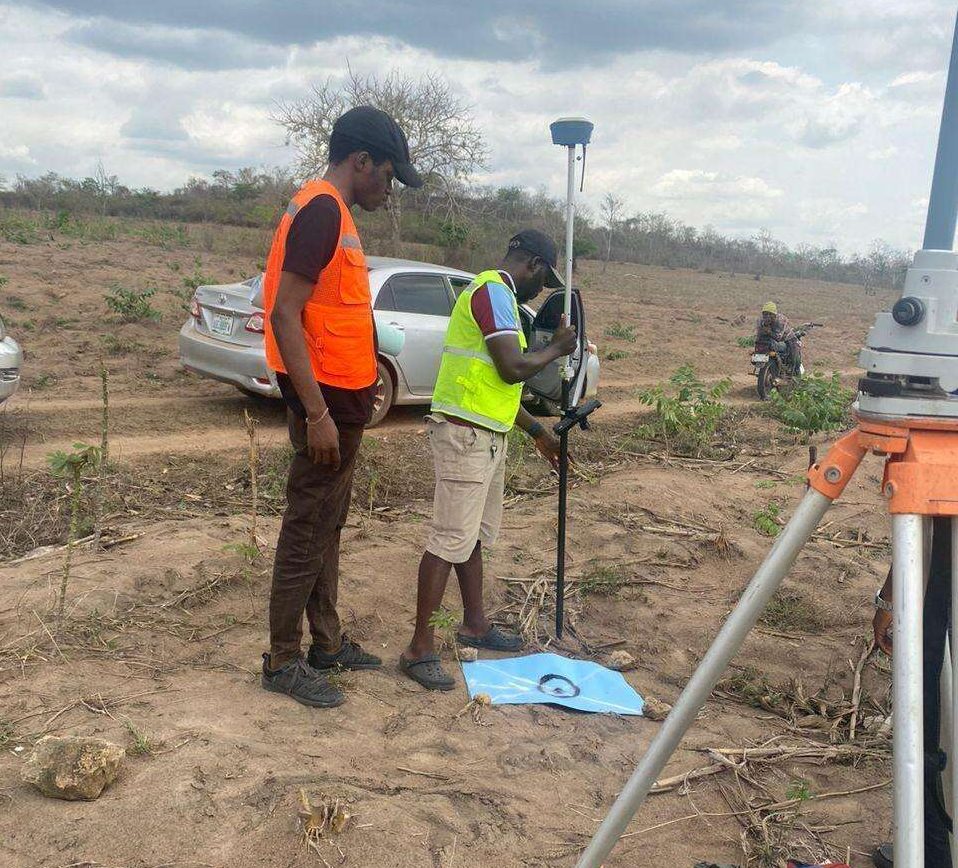
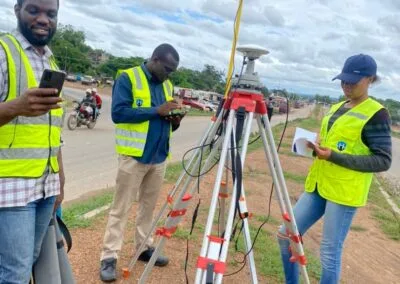
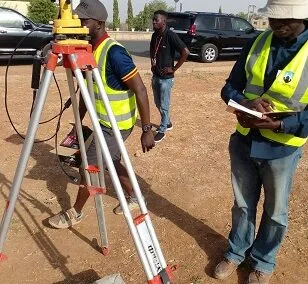
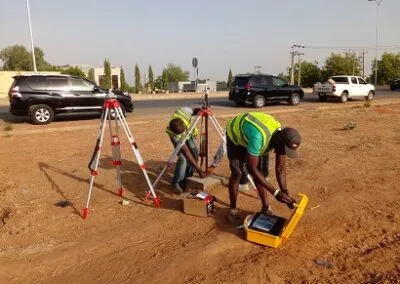
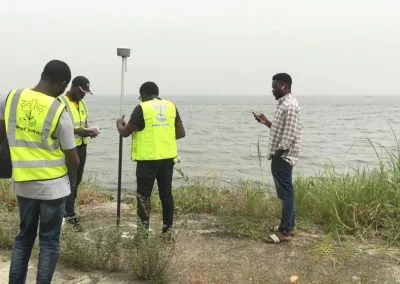
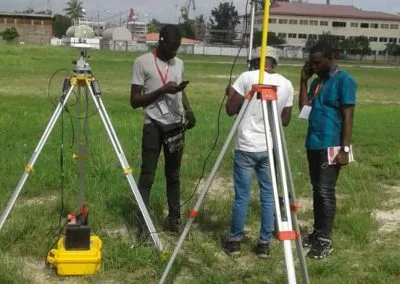
Global Navigation Satellite Systems (GNSS): For centimeter-level survey accuracy.
Challenges on the Horizon
While the potential is massive, the road to a fully “GIS-enabled Nigeria” has hurdles:
Technical Capacity: We need more trained GIS professionals in the civil service.
Implementation Costs: High-end drone mapping software and hardware require investment.
Institutional Resistance: Moving from manual to digital requires a shift in mindset.
Final Thoughts: A Sustainable Path Forward
GIS is more than just “digital maps.” It is a pathway to transparency, public trust, and environmental protection. As Nigeria continues its journey toward becoming a global economic powerhouse, the integration of GIS into land governance isn’t just an option, it’s a necessity.
🛠️ Ready to start your mapping journey?
If you are looking to acquire the tools mentioned in this guide, check out our latest price list for drone mapping software in Lagos or find the best DJI dealers in Ikeja to get started with professional-grade hardware.