
Introduction to Drone Mapping
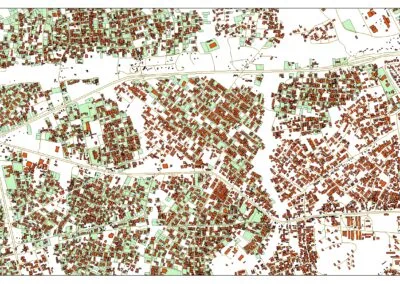
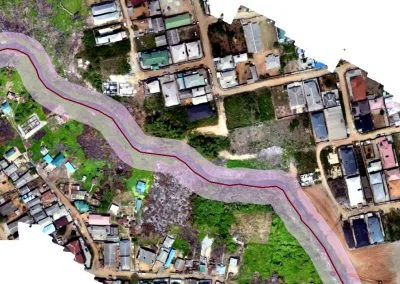
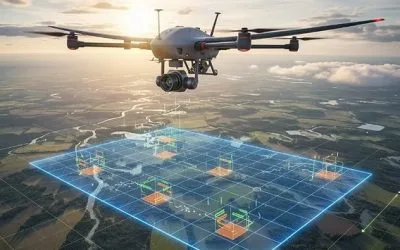
Drone mapping is a powerful geospatial data collection technique that uses unmanned aerial vehicles (UAVs) to capture high-resolution aerial data and transform it into accurate mapping products. These products include orthomosaic maps, Digital Elevation Models (DEMs), Digital Terrain Models (DTMs), and detailed 3D surface models.
A successful drone mapping project follows a structured workflow from planning and data capture to processing and analysis, ensuring high spatial accuracy, data reliability, and full regulatory compliance. Below is a comprehensive step-by-step guide to the drone mapping process.
1. Project Definition and Planning
Every drone mapping project starts with a clear definition of objectives. This involves identifying the purpose of the survey, such as land surveying, construction progress monitoring, precision agriculture, mining operations, or environmental assessment.
At this stage, the Area of Interest (AOI) is defined, accuracy requirements are established, and expected deliverables such as contour maps, volumetric calculations, or 3D models are determined. Proper project planning reduces operational risks, avoids data gaps, and improves overall efficiency.
2. Regulatory Compliance and Site Assessment
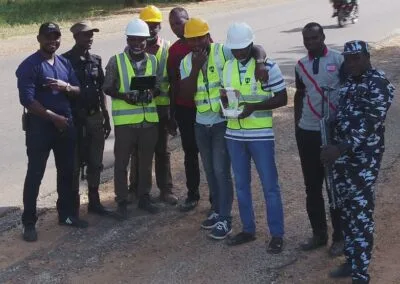
Before deploying a drone, all necessary regulatory approvals must be secured in accordance with national aviation laws. In countries like Nigeria, this includes obtaining airspace authorization and following established UAV safety guidelines.
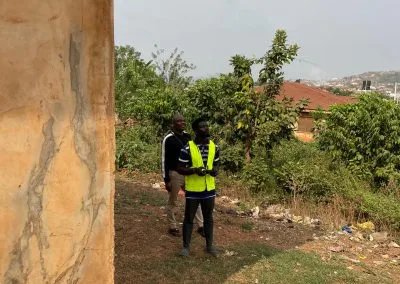
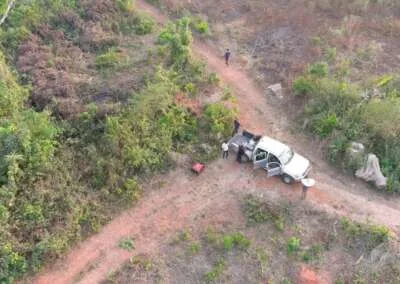
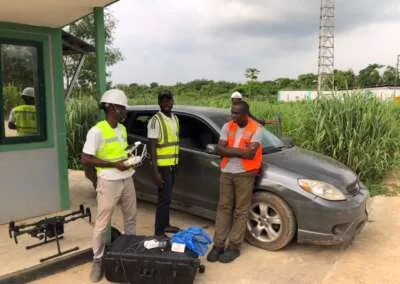
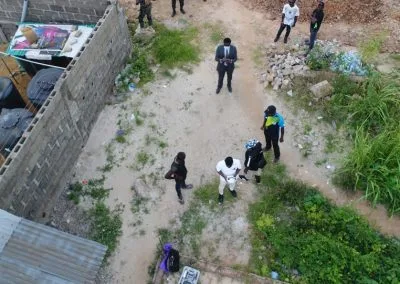
A physical site assessment is also conducted to identify potential hazards such as power lines, buildings, tall vegetation, and restricted zones. Weather conditions including wind speed, cloud cover, and sunlight are carefully evaluated to ensure safe flight operations and optimal image quality.
3. Drone and Sensor Selection
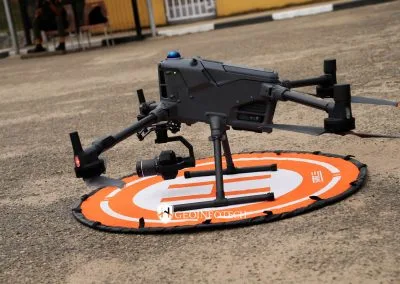
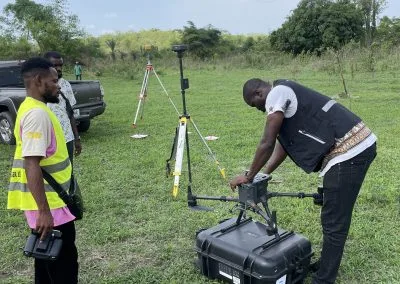
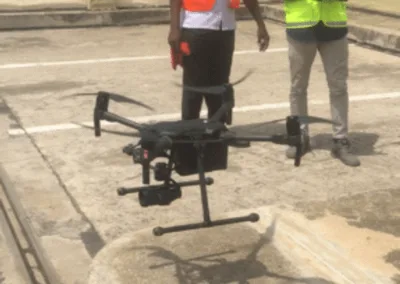
Selecting the right drone and sensor is critical to achieving accurate mapping results. Multirotor drones are ideal for small to medium-sized sites due to their stability and maneuverability, while fixed-wing drones are better suited for large-scale mapping because of their longer flight endurance.
Sensor selection depends on project needs:
RGB cameras for general mapping and visual inspection
Multispectral sensors for vegetation and crop health analysis
LiDAR sensors for high-precision elevation and terrain modeling
Sensor resolution directly affects the Ground Sampling Distance (GSD) and the overall accuracy of the final map.
4. Ground Control Point (GCP) Deployment
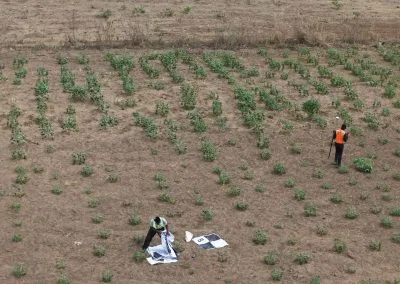
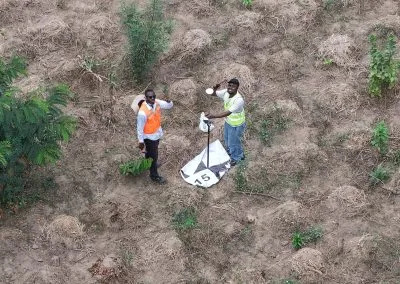
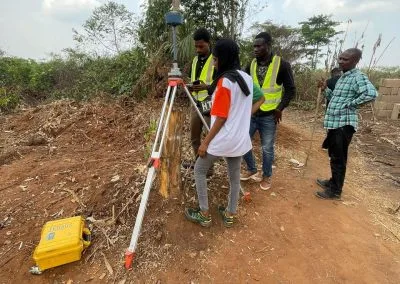
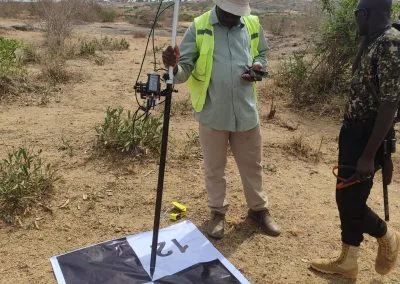
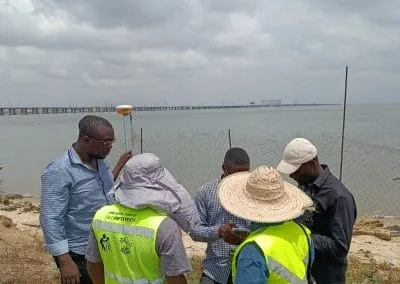
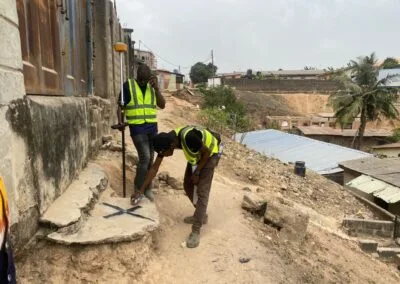
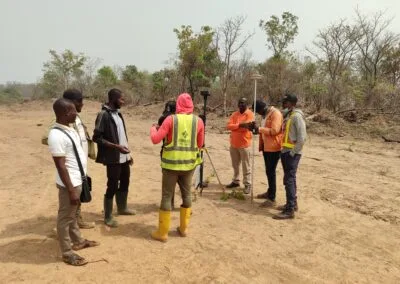
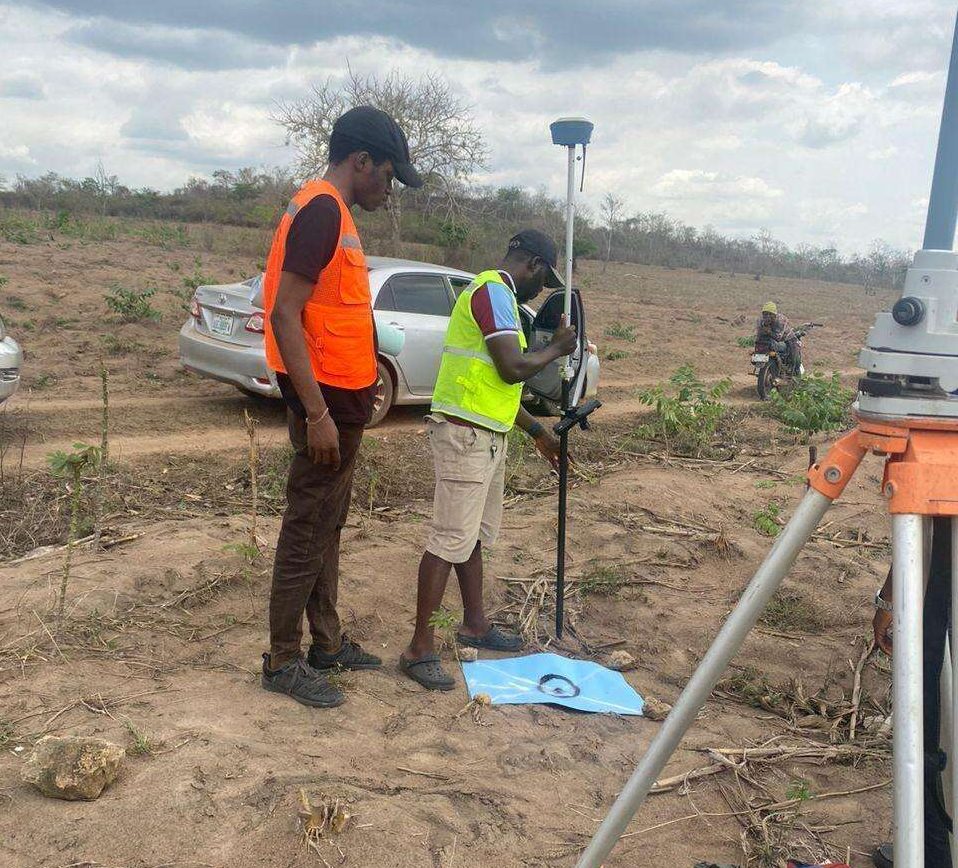
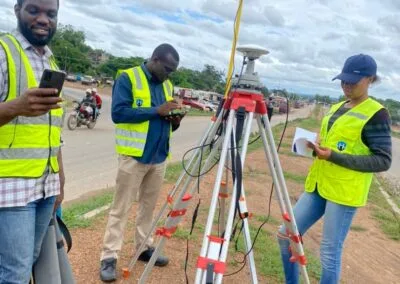
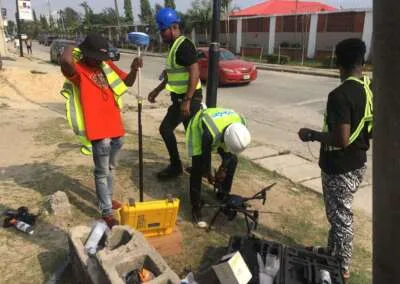
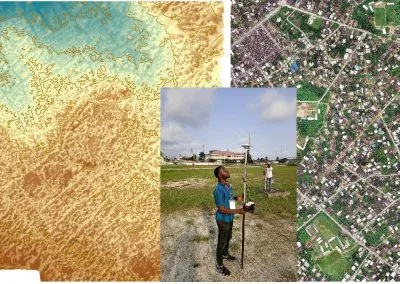
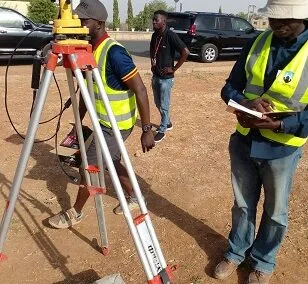
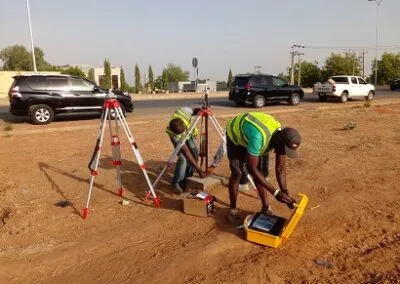
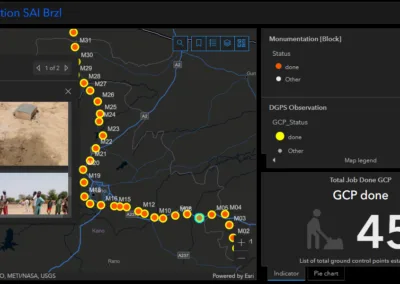
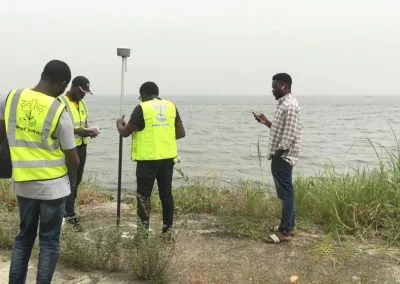
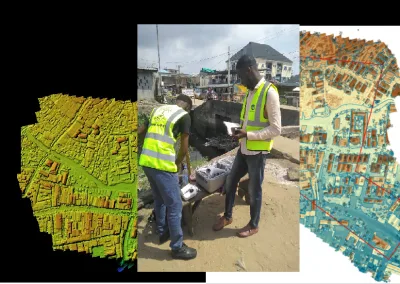
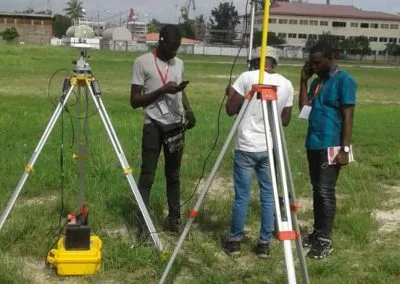
Ground Control Points (GCPs) are accurately surveyed reference markers placed across the mapping area to improve positional accuracy. These points are measured using high-precision GNSS equipment and must be clearly visible in aerial imagery.
GCPs significantly reduce spatial errors and are essential for engineering surveys, cadastral mapping, and high-accuracy applications.
5. Flight Planning
Flight planning is performed using specialized drone mission planning software. Important parameters such as flight altitude, image overlap (typically 70–80% forward overlap and 60–70% side overlap), flight speed, and camera orientation are carefully configured.
Automated flight paths ensure consistent coverage of the AOI while maintaining uniform image quality. Effective flight planning directly impacts data completeness and processing efficiency.
6. Data Acquisition
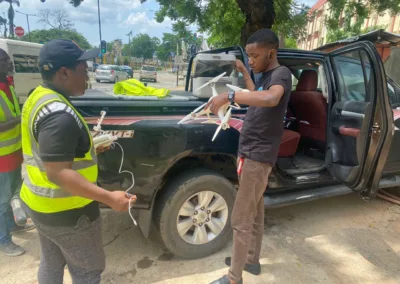
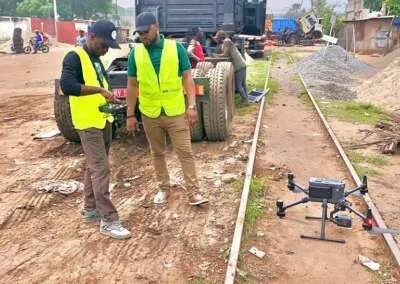
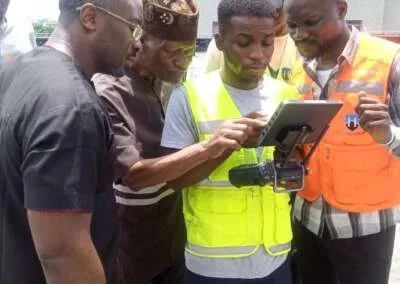
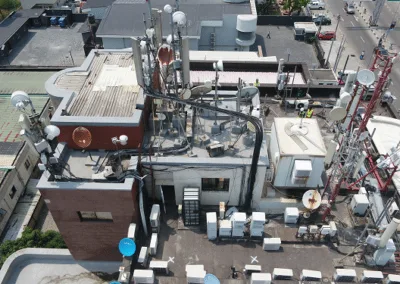
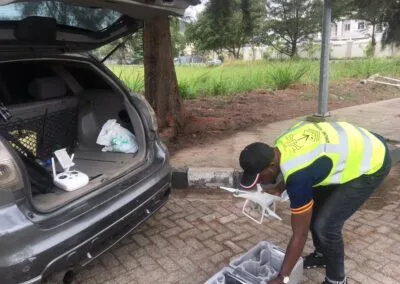
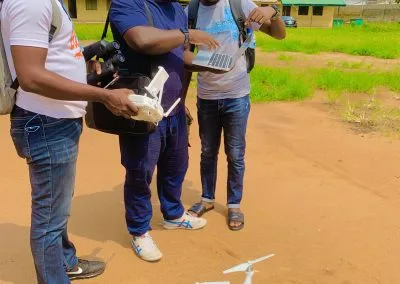
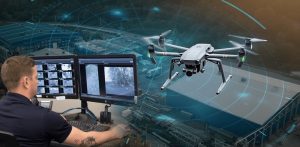
During data acquisition, the drone executes the planned mission while capturing high-resolution images or sensor data. The operator continuously monitors flight stability, camera performance, and safety conditions.
Battery management is especially important for large projects that require multiple flights. After each flight, collected data should be reviewed immediately to confirm coverage, clarity, and data quality.
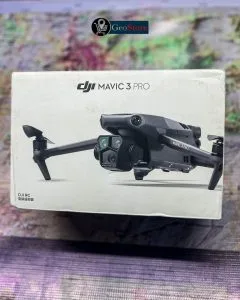
7. Data Processing and Photogrammetry
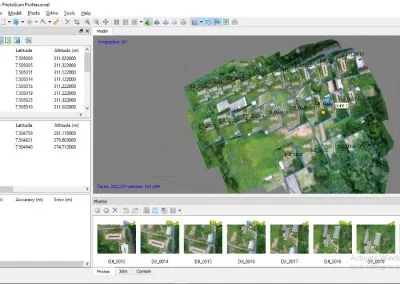
Captured imagery is processed using advanced photogrammetry software such as Pix4D, Agisoft Metashape, or DroneDeploy. This process includes image alignment, dense point cloud generation, mesh creation, and orthorectification.
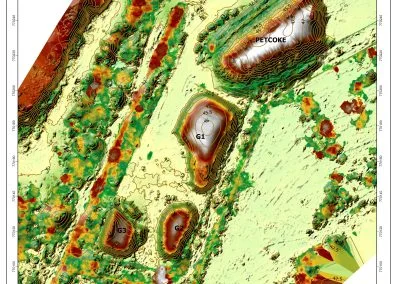
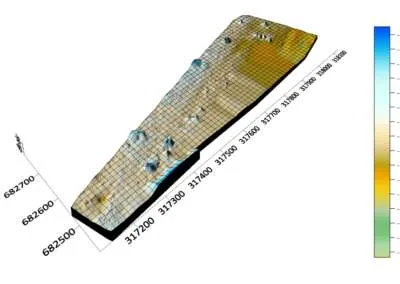
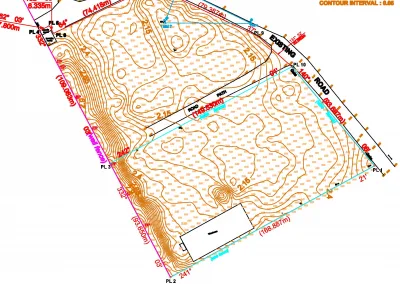
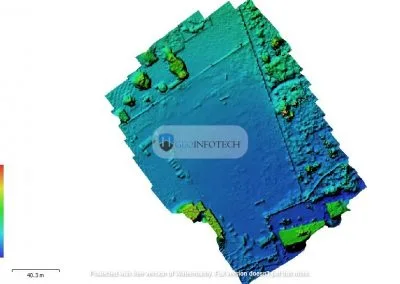
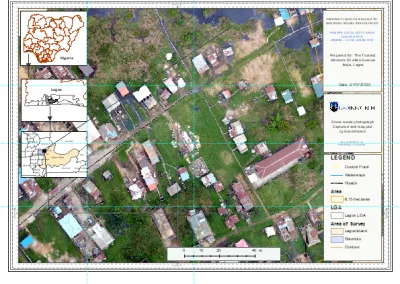
Ground Control Points are integrated during processing to enhance spatial accuracy. Final outputs typically include orthomosaic maps, Digital Surface Models (DSM), Digital Terrain Models (DTM), and high-resolution 3D models.
8. Quality Control and Accuracy Assessment
Quality control ensures the reliability and precision of drone mapping outputs. This stage involves checking for image distortion, misalignment, data gaps, and processing errors.
Accuracy assessments are performed by comparing mapped coordinates with independent check points. Conducting thorough quality checks at this stage prevents costly errors in analysis and decision-making.
9. Data Analysis and Interpretation
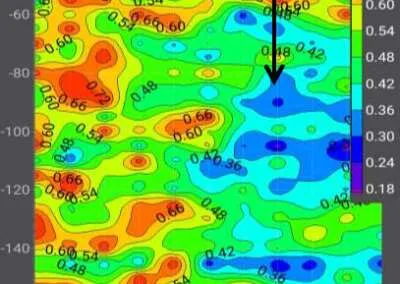
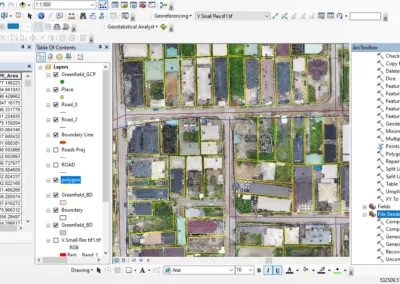
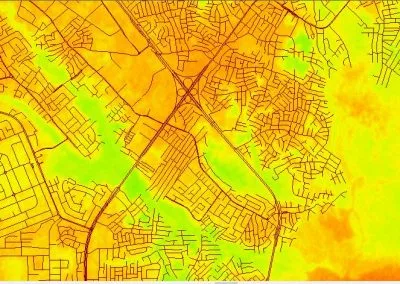
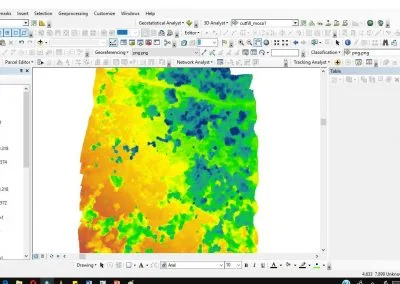
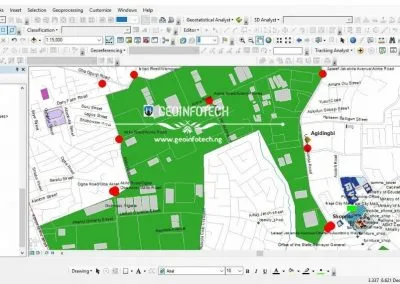
Processed drone data is analyzed using GIS and CAD software to extract meaningful insights. Depending on project objectives, users can measure distances, areas, volumes, and elevation changes.
Applications include crop health analysis in agriculture, progress tracking and cut-and-fill analysis in construction, and stockpile volume estimation in mining operations.
10. Map Production and Reporting
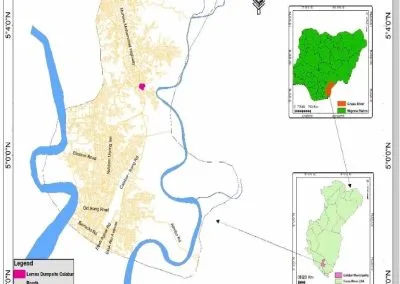
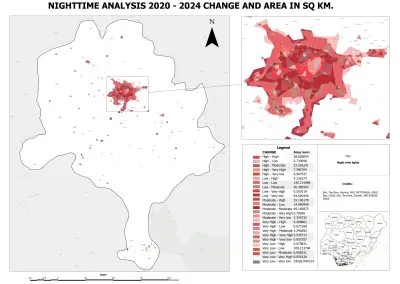
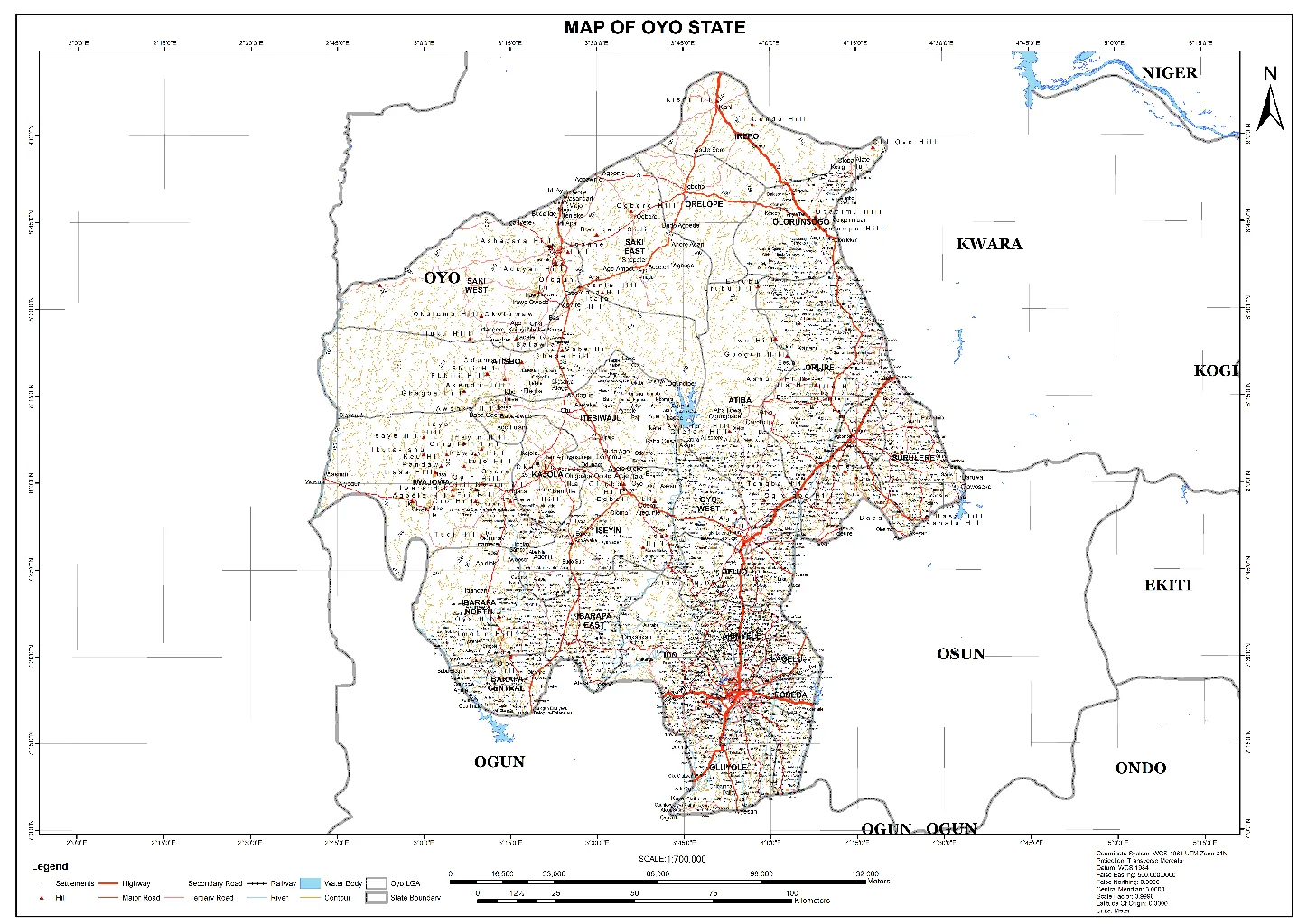
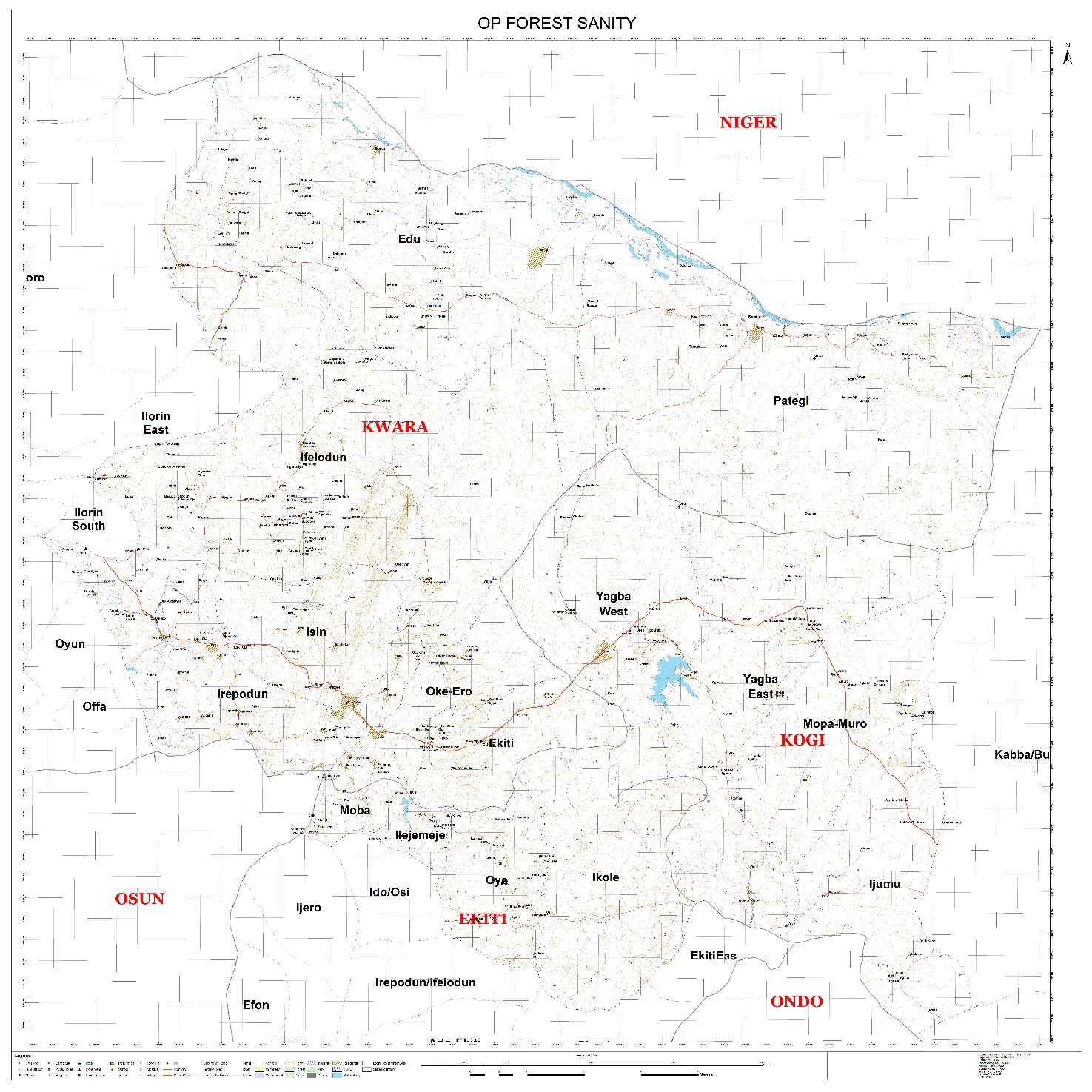
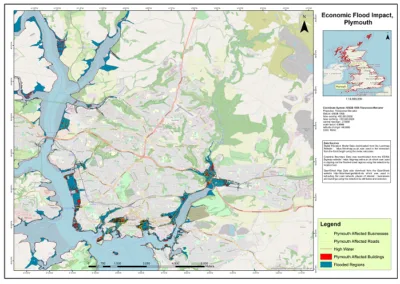
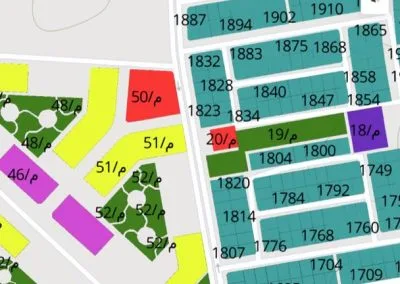
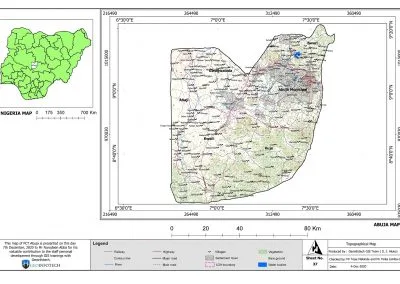
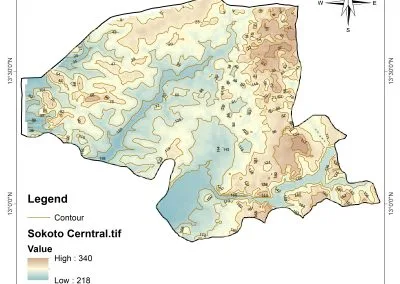
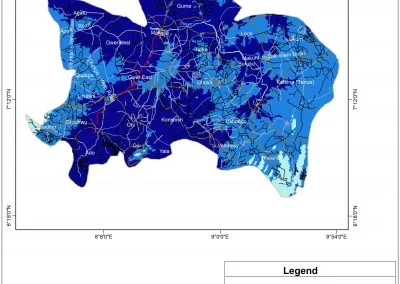
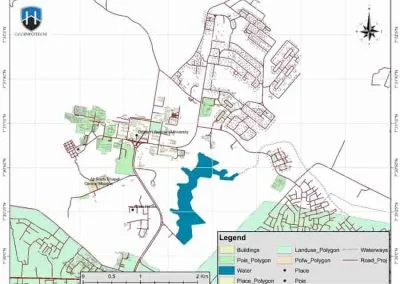
The final deliverables are professionally designed maps, technical reports, and digital datasets. Maps are styled with legends, scale bars, coordinate grids, and annotations to meet industry and client standards.
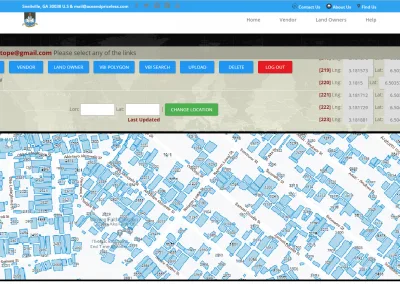
Reports document the workflow, accuracy levels, and key findings. Deliverables are provided in formats compatible with GIS software, CAD systems, and web-based mapping platforms.
Conclusion
Drone mapping is a fast, accurate, and cost-effective method for geospatial data acquisition when executed using a structured and well-planned workflow. From project planning and flight execution to data processing and analysis, each step plays a vital role in ensuring high-quality results.
By following best practices in UAV mapping, organizations can generate reliable geospatial products that support informed decision-making across industries such as surveying, construction, agriculture, mining, and environmental management.