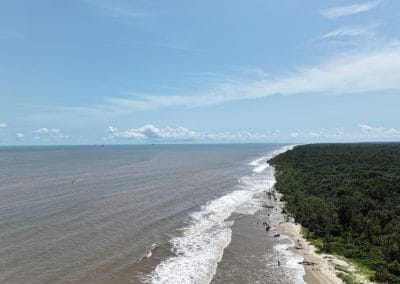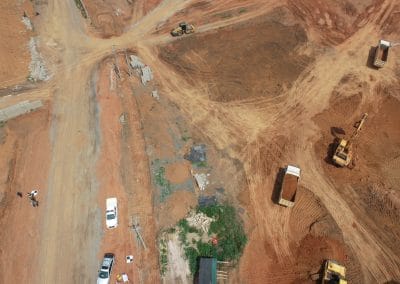


Have you ever wondered how engineers and developers know whether a construction site might be at risk of flooding before a single brick is laid? Imagine planning a new building only to discover later that part of your site is prone to waterlogging or flood damage. Floods can cause costly delays, damage infrastructure, and even put lives at risk. Thankfully, Geographic Information Systems (GIS) help identify these risks early, allowing developers to make smarter, safer decisions.
HOW GIS IDENTIFIES FLOOD RISK
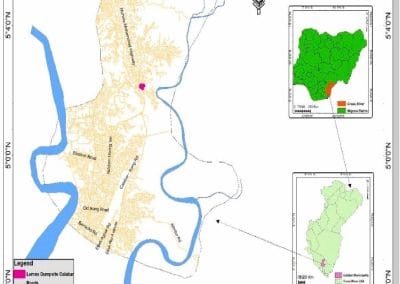
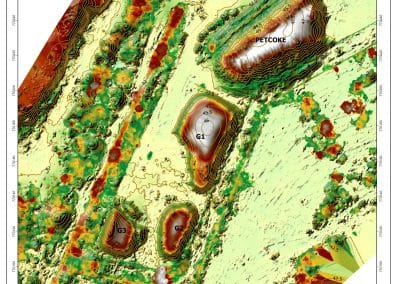
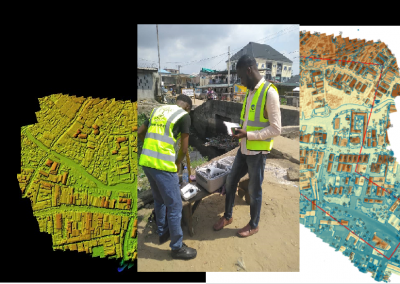
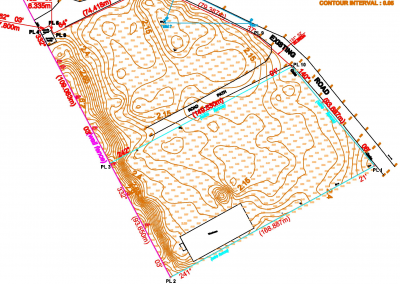
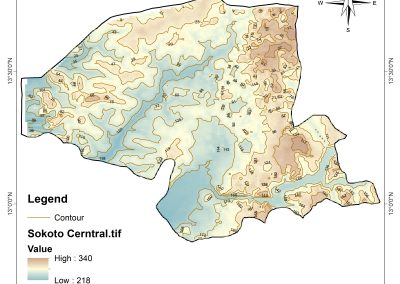
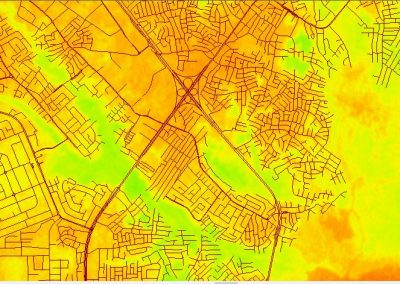
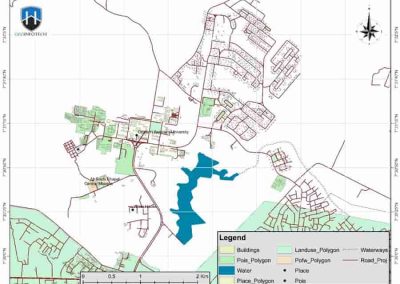
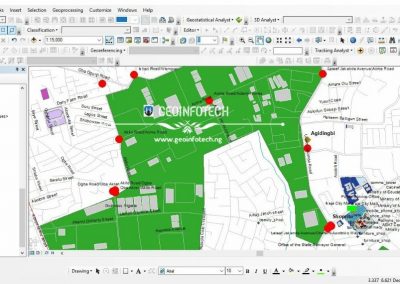
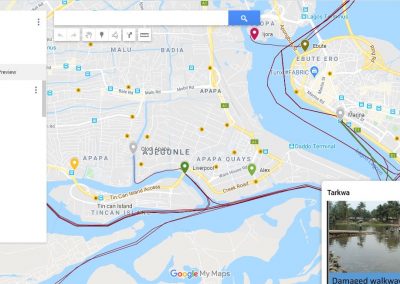
GIS uses spatial data and environmental analysis to map areas that are vulnerable to flooding. By studying terrain, rainfall patterns, drainage systems, and proximity to water bodies, GIS can highlight zones likely to experience flooding.
Factors GIS analyzes include:
- Elevation and terrain slope to determine water flow direction
- Proximity to rivers, streams, and lakes
- Rainfall patterns and historical flood data
- Drainage networks and soil permeability
These insights allow planners and developers to predict which areas are more likely to flood and take preventive measures before construction begins.

WHY FLOOD MAPPING MATTERS FOR CONSTRUCTION
Flood mapping helps reduce risks and avoid costly mistakes. Developers can either avoid high-risk zones or design structures to withstand potential flooding. Flood risk analysis supports:
- Safer site selection
- Better urban planning and design decisions
- Improved infrastructure resilience
- Compliance with environmental and regulatory requirements
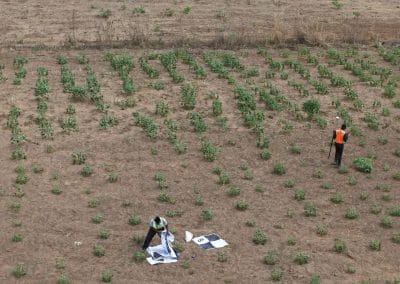
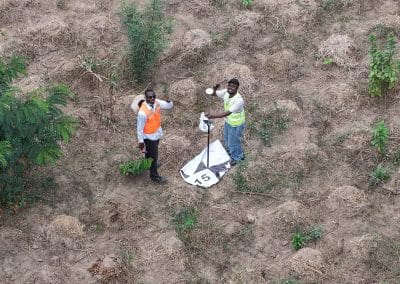
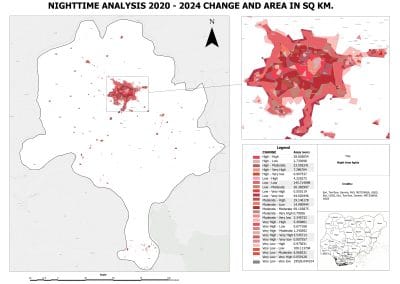
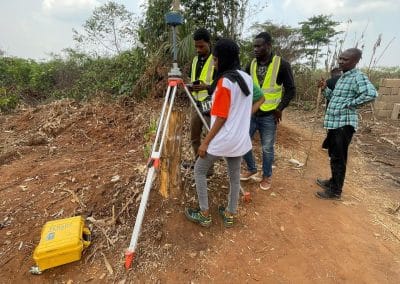
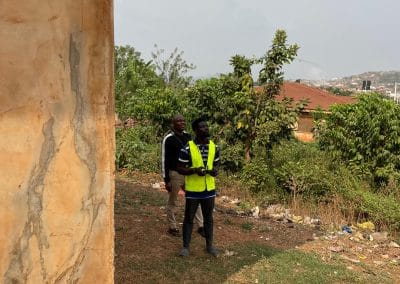
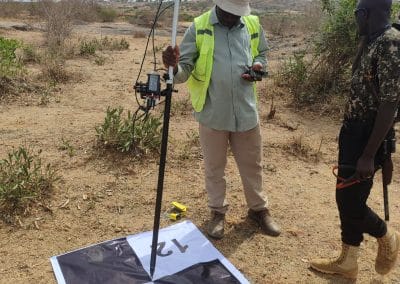
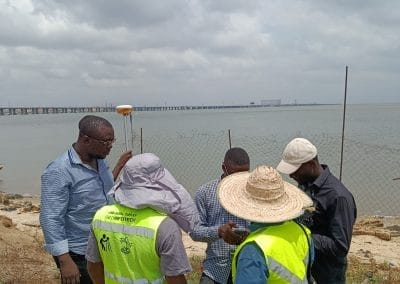
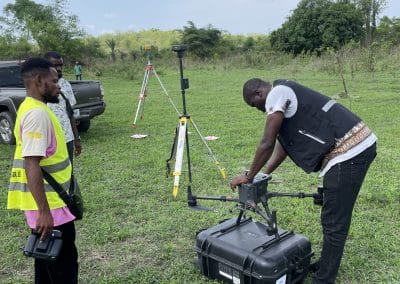
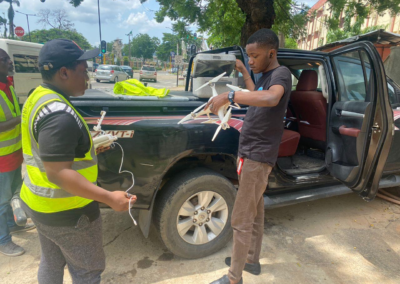
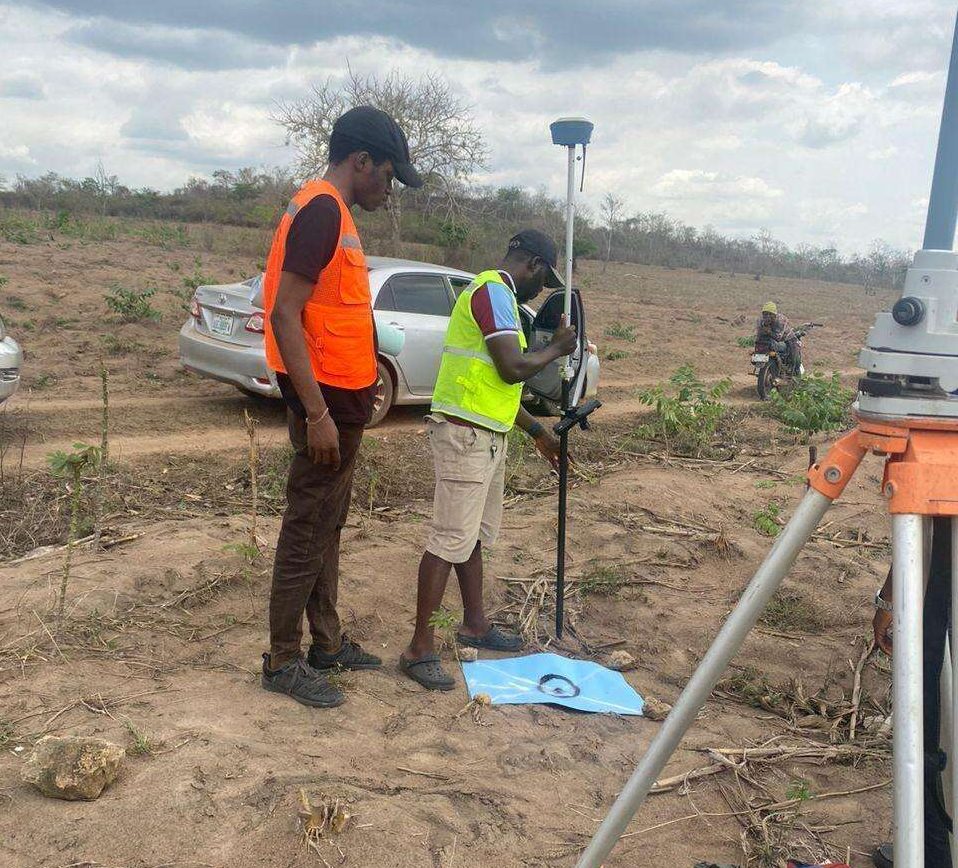
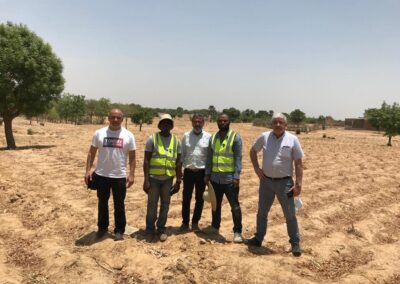
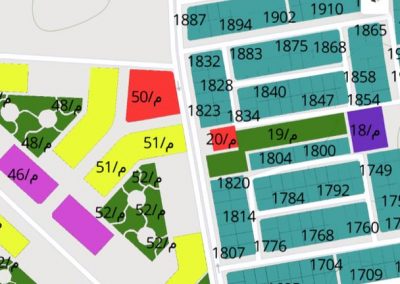
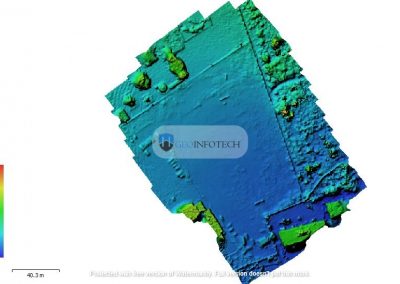
Geoinfotech offers professional GIS-based flood mapping services that help developers, engineers, and urban planners identify flood risks before construction. Our team uses advanced spatial analysis, high-resolution mapping, and historical and real-time environmental data to produce accurate flood risk maps. With our insights, clients can plan safer, more efficient, and cost-effective projects.
FINAL TAKEAWAY
Flood mapping is a critical step in responsible construction planning. Using GIS, developers can identify flood-prone areas early, reduce financial risk, and protect both infrastructure and communities. Partnering with experts like Geoinfotech ensures that construction projects are guided by accurate data and reliable risk analysis, making development smarter, safer, and more sustainable.