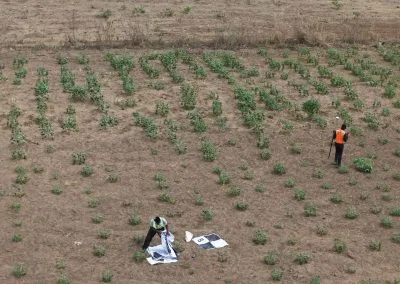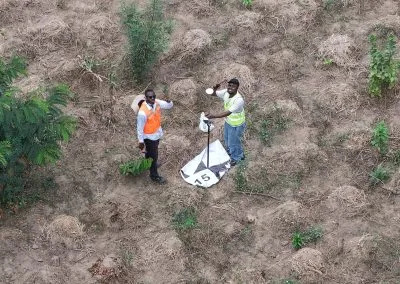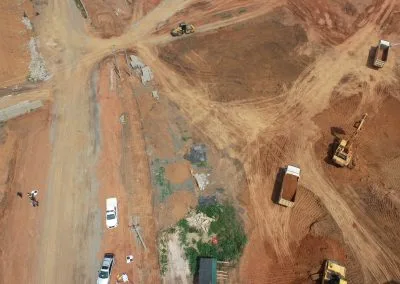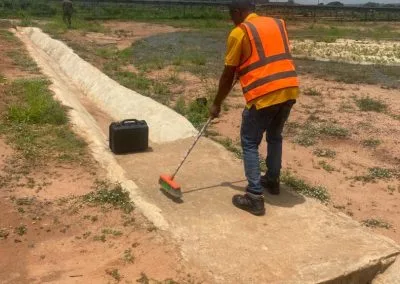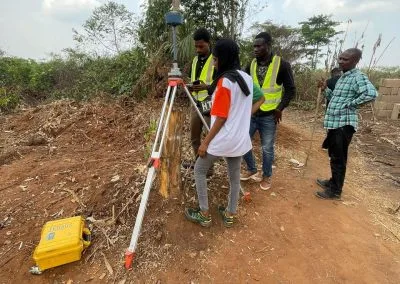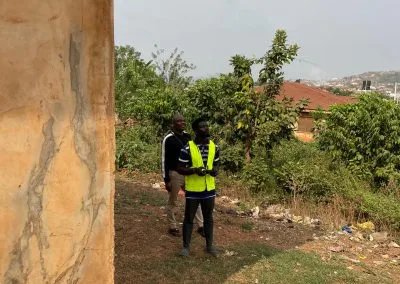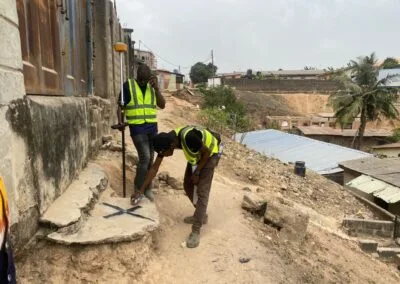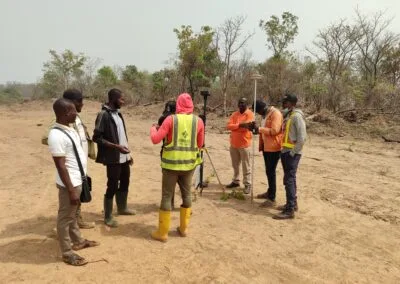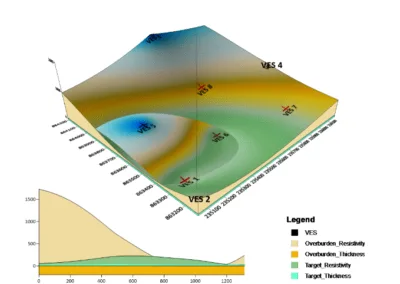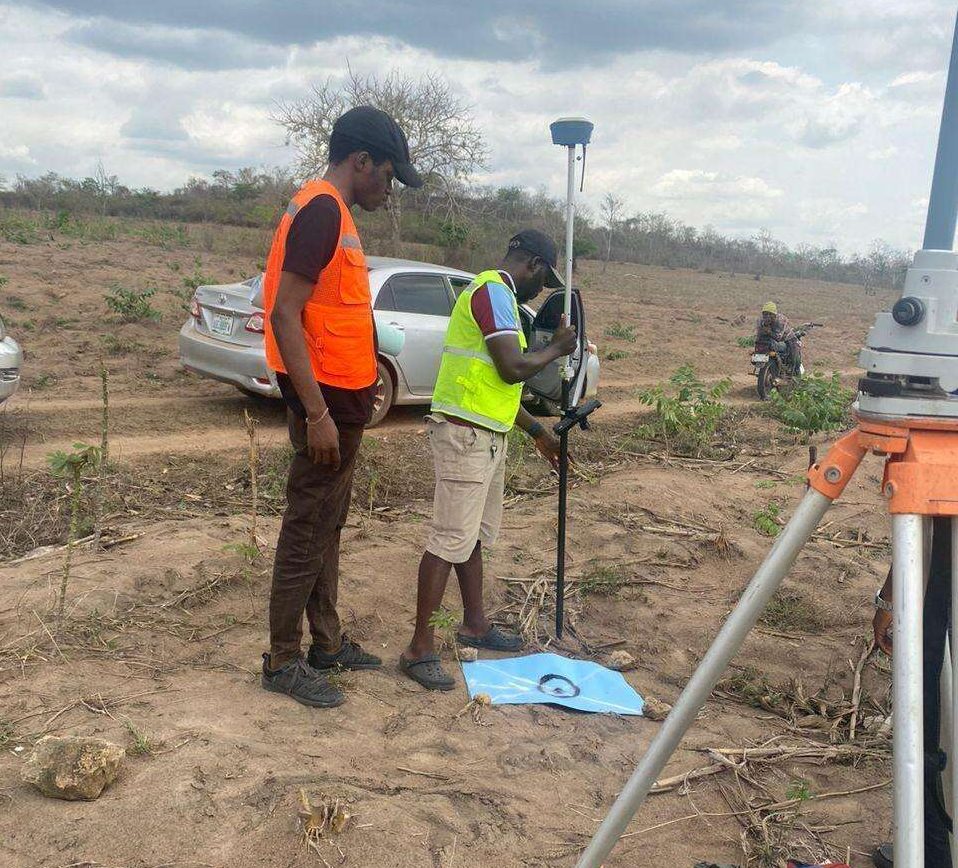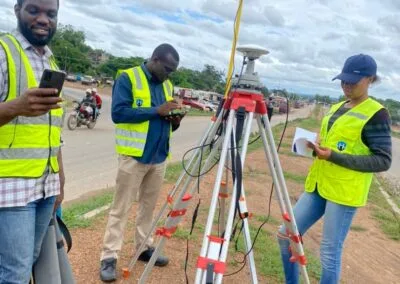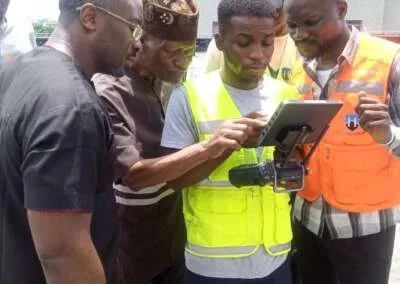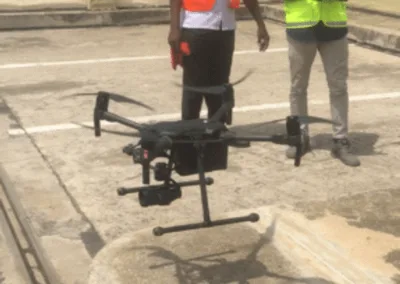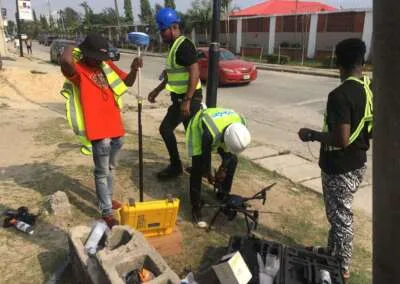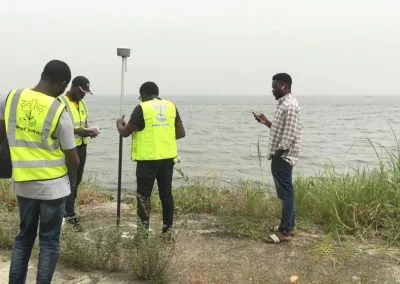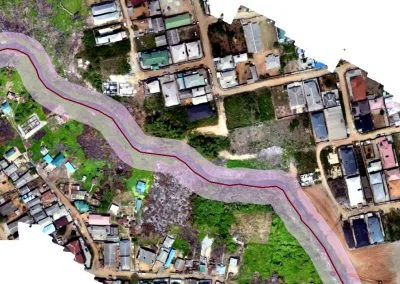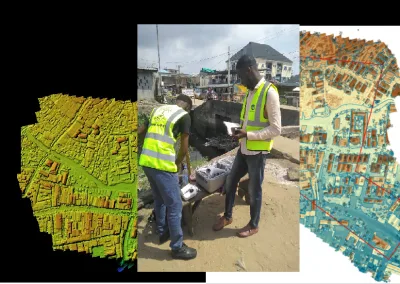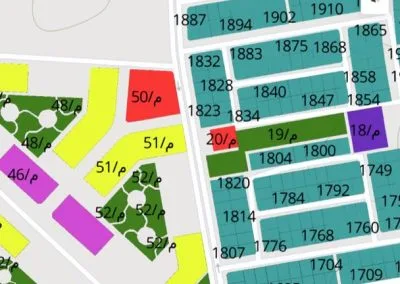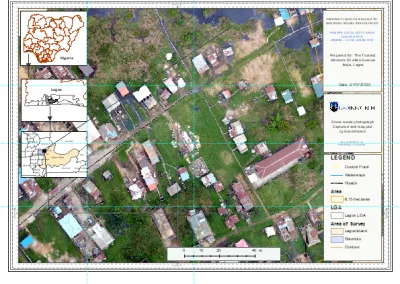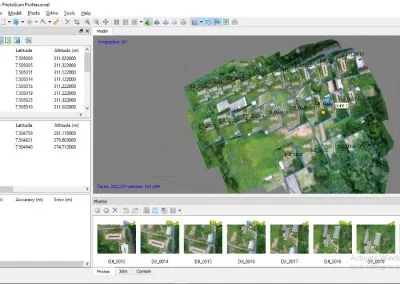

When you commission a drone mapping survey, a cadastral boundary assessment, or an engineering site survey, the quality of the final output depends on something most clients never see Ground Control Points (GCPs). These are the reference markers that anchor your spatial data to the real world.
Get them right, and your maps, models, and measurements are reliable. Get them wrong, and no amount of expensive equipment can fix the inaccuracies that follow. At Geoinfotech, we have developed a proprietary automated toolbox that transforms how GCPs are generated and prepared cutting the time it takes, eliminating common errors, and improving the consistency of outputs across every project we handle.
What Are Ground Control Points, and Why Should You Care?
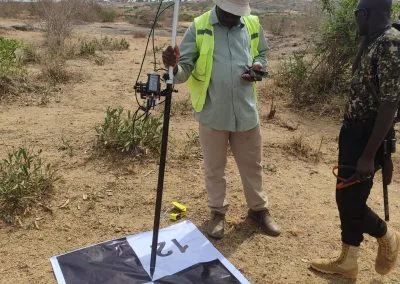
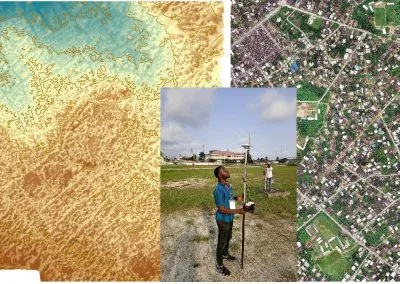
A Ground Control Point is a precisely surveyed location on the ground identified by known real world coordinates that is used to calibrate aerial and spatial data.
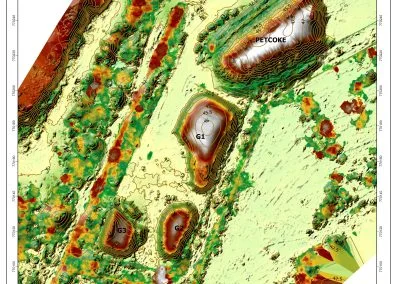
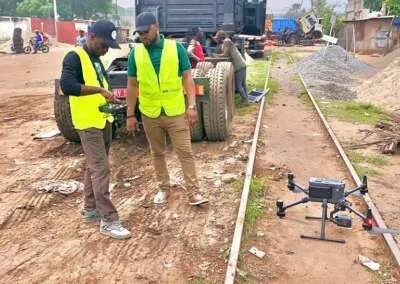
- For drone mapping projects, GCPs ensure that the aerial imagery aligns accurately with the physical terrain.
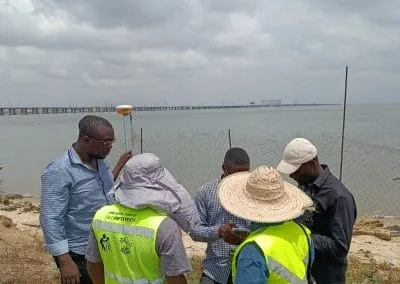
- For land surveying, GCPs serve as the anchors that make boundary data legally reliable.
- For engineering surveys, GCPs provide the positional certainty required for infrastructure design and compliance.
Without well placed, accurately recorded GCPs, results cannot be trusted for decision making or regulatory purposes.
The Problem with Traditional GCP Workflows
Traditionally, GCP preparation involves a manual, multi step process. Each step is done independently, creating several challenges:
- Time loss: Repeating manual tasks across multiple projects is inefficient and adds unnecessary hours.
- Human error: Manual processes introduce the risk of inconsistencies, particularly in large scale projects.
- Poor scalability: Fragmented approaches become a bottleneck as project complexity grows.
How Geoinfotech’s Automated GCP Toolbox Changes This
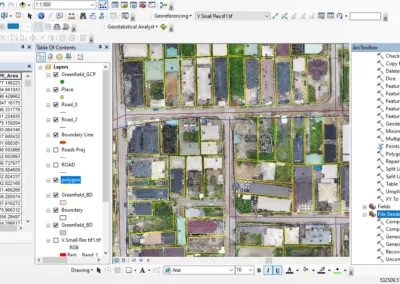
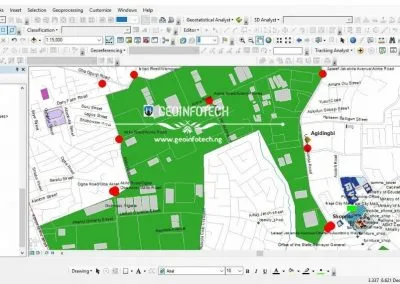
Our GIS team has built a custom toolbox within ArcGIS Pro that consolidates the entire workflow into a single, automated system. Rather than running five separate processes, our team now executes them in one structured run.
Key Features of Our Automation:
- Project Boundary Input: The tool uses your project boundary to constrain all point generation to the relevant area.
- Flexible Point Distribution: We can specify either a fixed number of control points or a consistent spacing distance.
- Automated Format Conversion: Outputs are automatically exported as CSV or KML, making them immediately compatible with GNSS field devices and drone software.
- Systematic File Management: Outputs are automatically named and organized, reducing the risk of version errors.
What This Means for Your Project
- Faster Turnaround: Data preparation time is significantly reduced, moving your project forward faster.
- Greater Accuracy: Parameter driven generation ensures uniform spatial distribution.
- Consistent Standards: High level rigor is applied whether the project is one plot or hundreds of hectares.
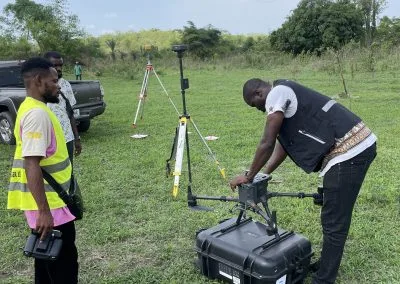
- Seamless Field Integration: Outputs are ready for immediate use with field GNSS equipment.
Built for Scale. Designed for Reliability.
Geospatial projects across Nigeria and beyond are growing in complexity. Investing in tools that improve workflow efficiency is a commitment to delivering better outcomes for every client.
Ready to start your next project? Reach out to our team to discuss how we can support your work.