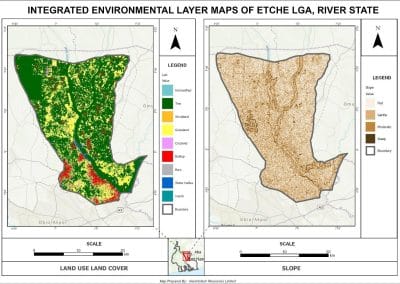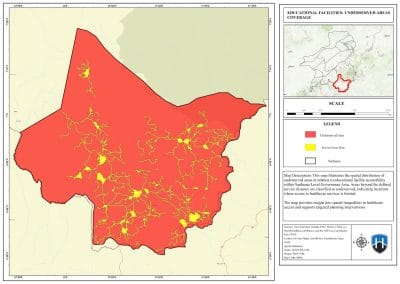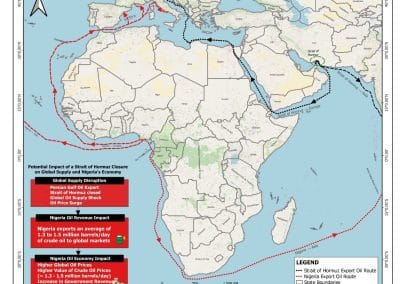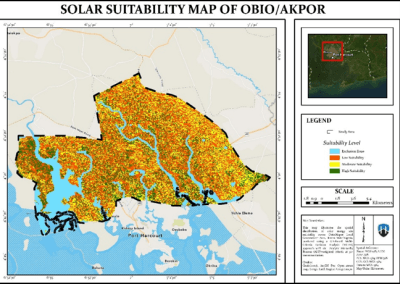

The Satellite Has Already Seen Your Land. Here’s what we can get from it.
If you think the only people monitoring your property are your security guards or the people across the street, you’re missing the bigger picture.
Right now, as you’re reading this, there are eyes in the sky, hundreds of satellites orbiting 500km above Nigeria, capturing data that goes far beyond a simple photograph. In 2026, land surveying and monitoring have gone completely digital. Whether you’re a real estate developer in Lekki, a farmer in the North, or you just bought a few plots for a project, the level of detail available from space is incredible.
Here is exactly what information can be retrieved about your property using satellite technology.
1. Precise Soil Health and Moisture Levels
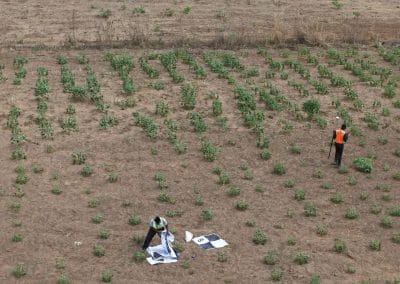
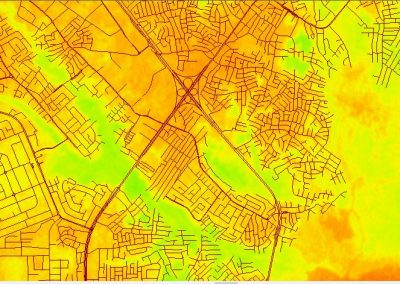
You don’t need to wait for the dry season to know how your land is performing. Modern satellites use multispectral and hyperspectral sensors to detect things the human eye simply can’t. Satellites provide data on nitrogen levels, chlorophyll concentration, and moisture content. It shows which part of your farm is struggling and where hidden waterlogged areas are located before you even start construction.
2. All Weather Terrain and Elevation Data
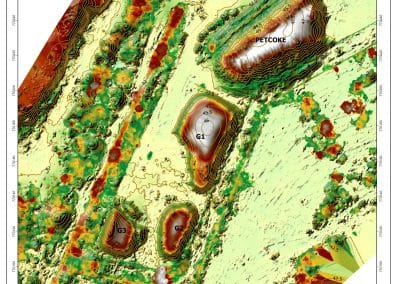
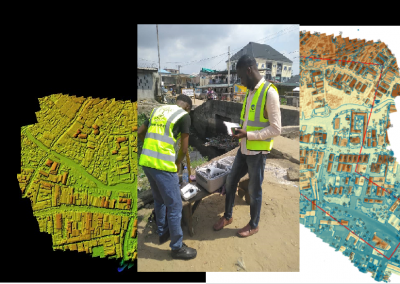
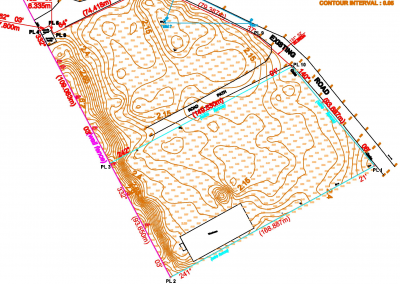
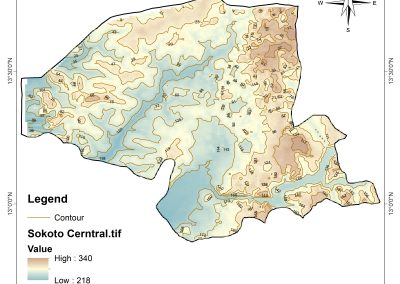
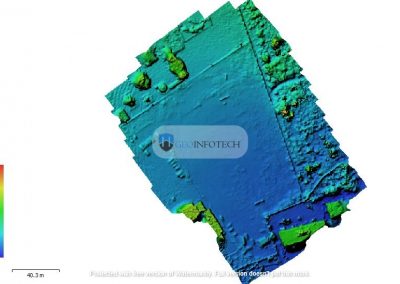
We all know how the weather gets during the rainy season or the harmattan haze. However, satellites using SAR (Synthetic Aperture Radar) do not need clear skies. They beam signals that pass straight through clouds and darkness.This provides a perfect 3D map of your ground. It can detect ground subsidence (sinking) by just a few millimeters, illegal nighttime land clearing, or the exact volume of a stockpile of sand or gravel on a site.
3. Historical Land Use and Change Detection
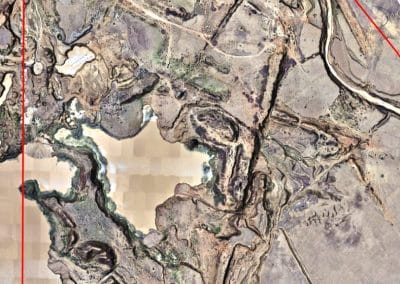
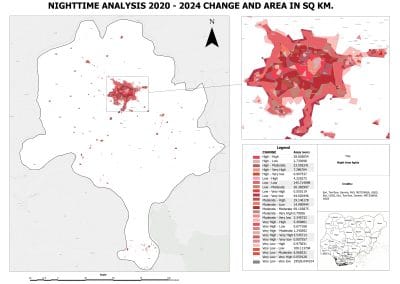
Think you can hide the fact that a piece of land used to be a swamp or a dump site? Not anymore. Satellites have been recording the Earth’s surface for decades. By doing a Change Detection analysis, you can get a full report on the land’s history. You can see exactly when trees were cut, when a fence was moved, or what the vegetation looked like in 2010 versus today.
4. High Definition Infrastructure and Asset Details
We have entered the era of 30cm high-resolution imagery. This isn’t the blurry mapping of the past.
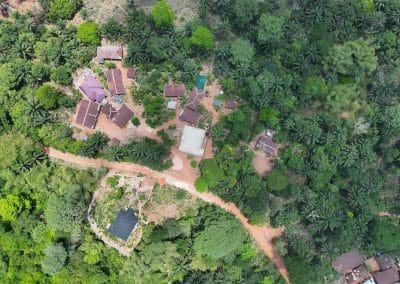
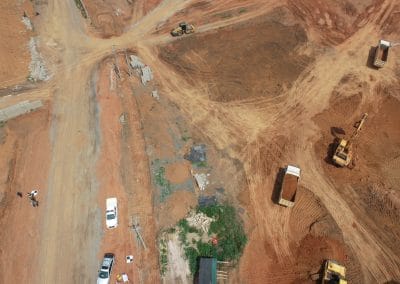
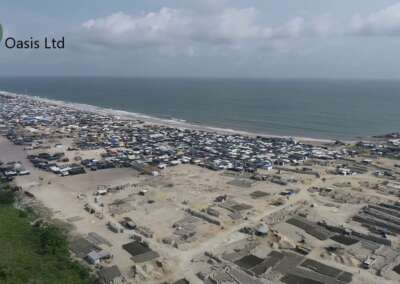
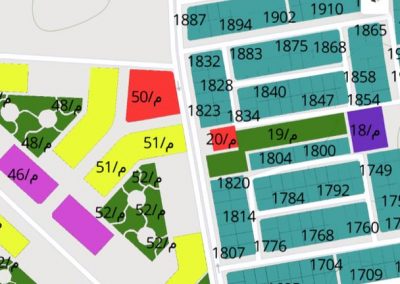
Today’s satellites can distinguish between building footprints, identify different types of roofing materials, and even track the number of vehicles or equipment on a construction site. It provides an “as-built” view of your property without you needing to be physically present.
Why This Matters for You
This isn’t just advanced tech; it’s a tool for every smart landowner in Nigeria:
- Real Estate Investors: Use this to avoid buying “dry land” that is actually a flood-prone valley in disguise.
- Commercial Farmers: Use it to save money on expensive fertilizers by only applying them to the specific zones the satellite identifies as nutrient-deficient.
- Project Managers: Monitor your remote sites from your phone in the city and get proof of work without needing to travel across the state every weekend.
The information is already being collected. The question is: Are you going to use it to your advantage, or stay in the dark?