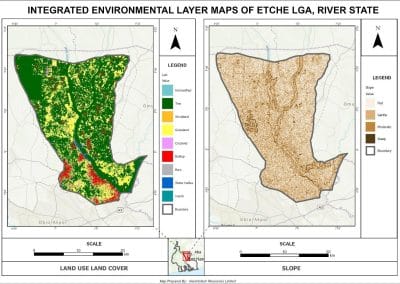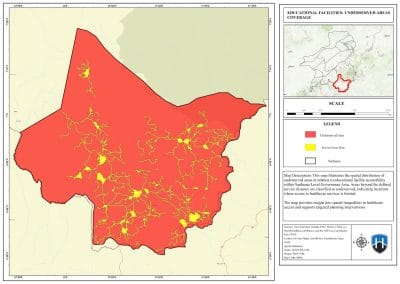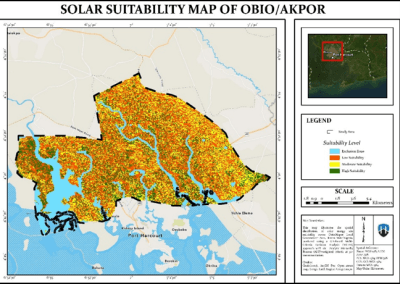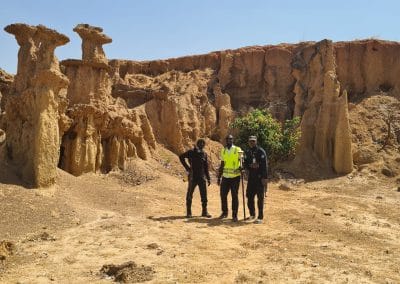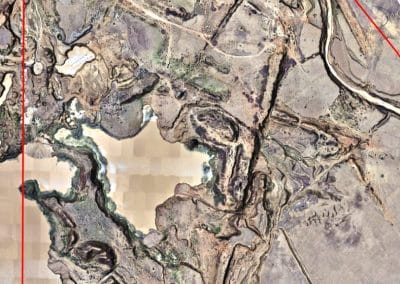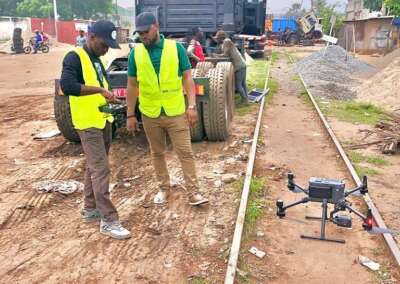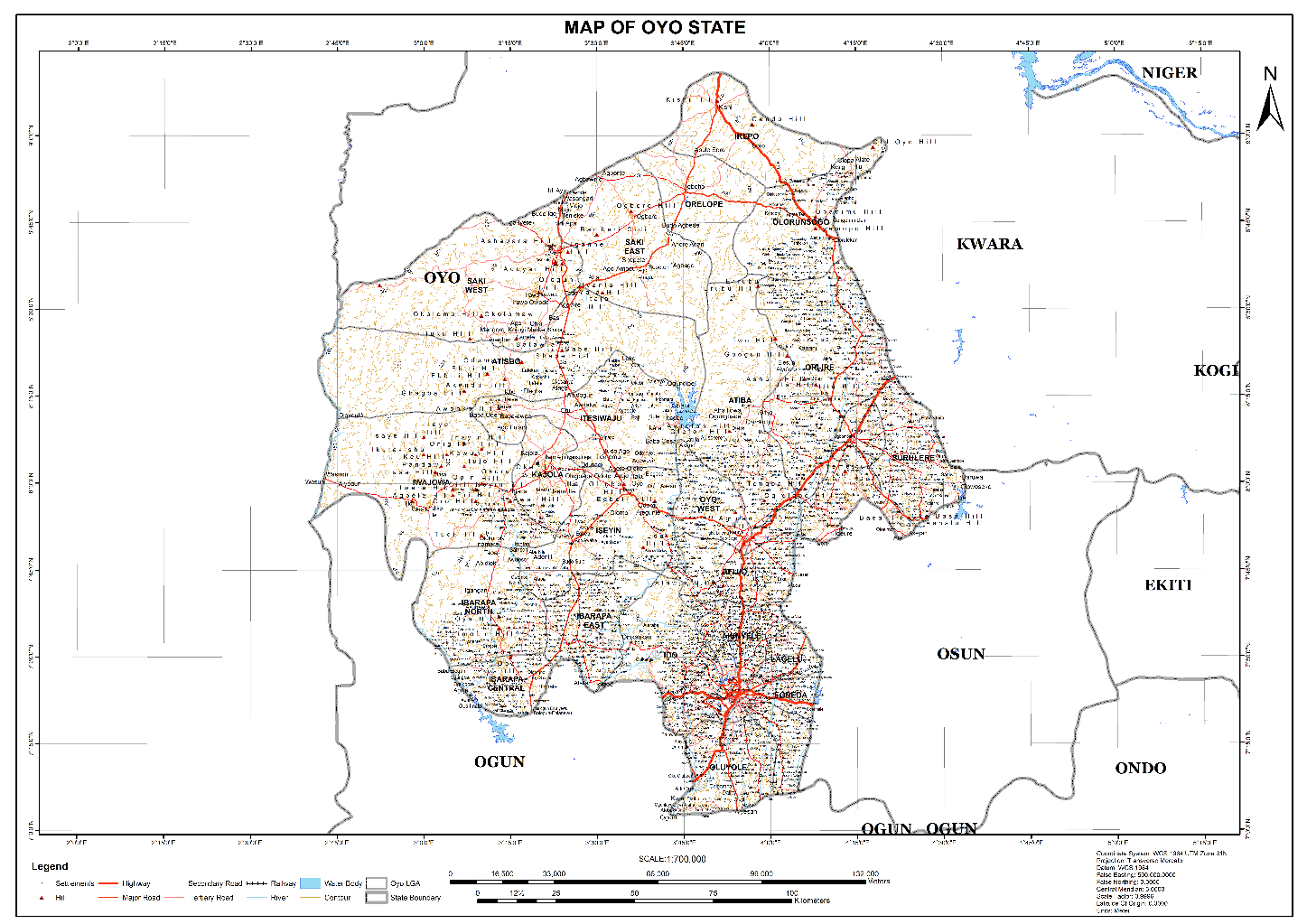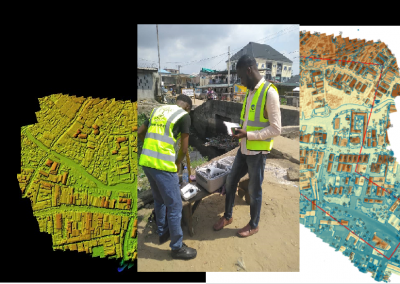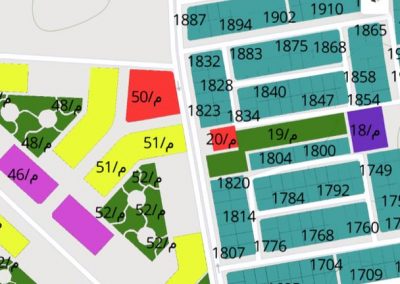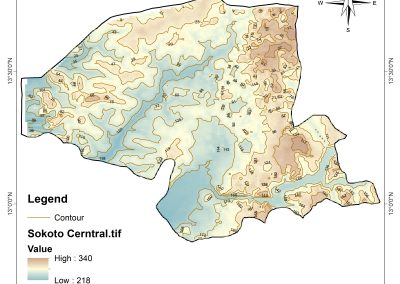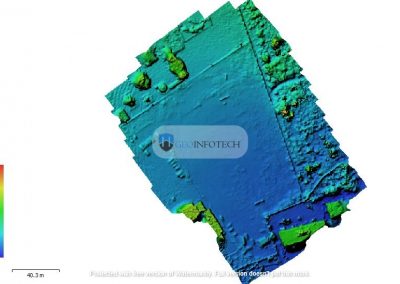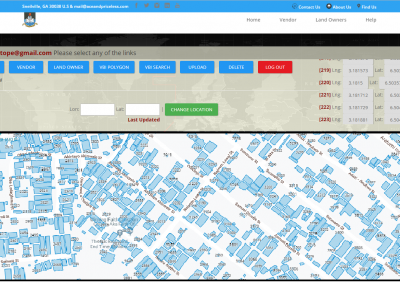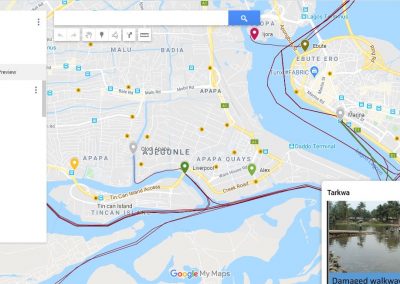

A topographic survey is a detailed mapping process that captures the natural and artificial features of land, including elevations, contours, slopes, drainage patterns, vegetation, buildings, and utilities. It is one of the most fundamental preliminary steps in modern construction projects because it provides accurate spatial data that guides planning, design, execution, and management. In modern construction where precision, safety, sustainability, and cost-efficiency are essential, topographic surveys serve as the foundation for informed decision-making throughout the project lifecycle. A practical example of topographic survey is clearly depicted in Figure 1. In contemporary construction where projects are increasingly complex, technology-driven, and sustainability focused topographic surveys are indispensable tools for ensuring safety, accuracy, cost-efficiency, and regulatory compliance.
- Key Reasons Topographic Surveys are Critical
- 2.1 Accurate Planning and Design: Topographic surveys provide precise measurements of terrain, enabling engineers and architects to develop realistic and effective designs. These surveys help project teams understand site conditions before construction begins.
- They show contours, elevations, and natural features clearly.
- They help determine building orientation and placement.
- They allow engineers to design foundations that fit the terrain.
Accurate site information reduces errors in design and ensures that structures align properly with real-world conditions.
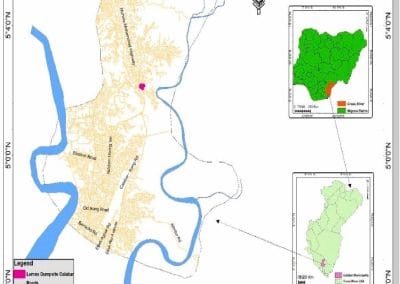
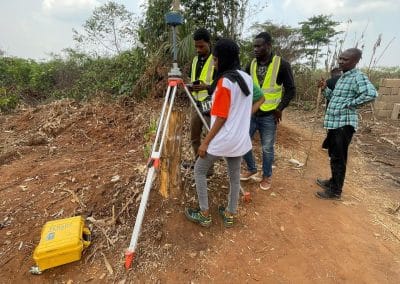
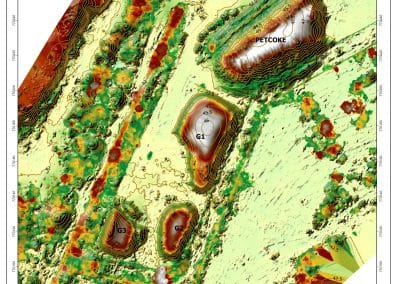
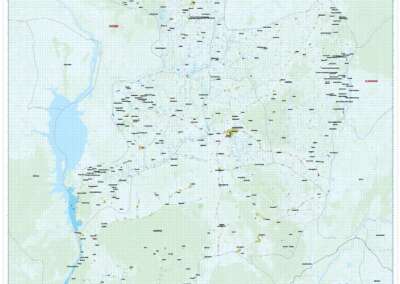
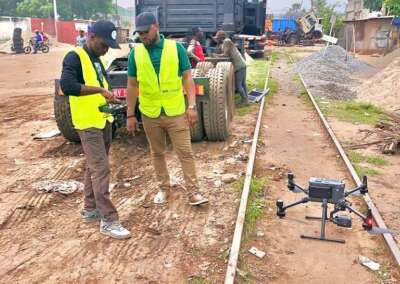
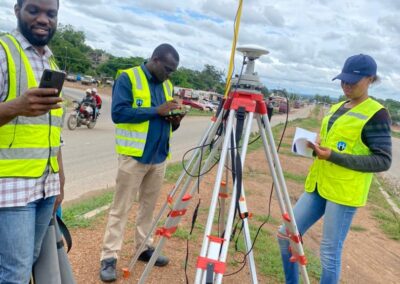
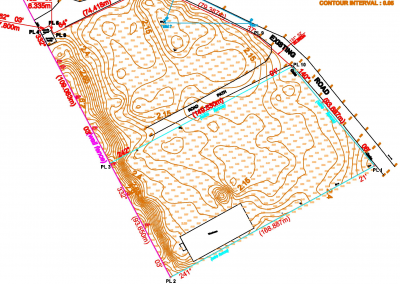
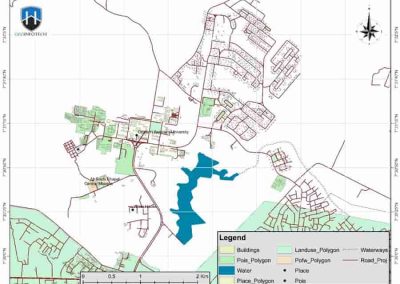
- 2.2 Identification of Site Constraints and Opportunities: Topographic surveys reveal both challenges and advantages of a site. They help detect the uneven terrain and slopes, drainage patterns, soil instability and existing infrastructure and utilities. Early detection allows planners to modify designs to suit the land, avoiding impractical plans and costly redesigns later. Figure 1 is an example of uneven terrain and slope under survey which the result could help in prevention of challenges during construction and after project implementation. Figure 2 is a contour or result of topographic survey of a land.
 \
\
Figure 1: Topographic Survey of uneven Terrain and Slope
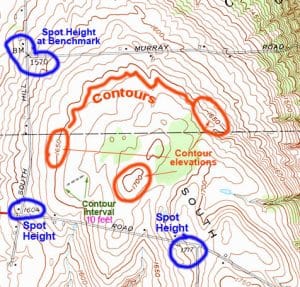
Figure: 2 Contour of an Area
- 2.3 Risk Reduction and Safety Enhancement: Construction projects involve numerous risks, including structural failures, flooding, and accidents. Topographic surveys help mitigate these risks by identifying potential hazards such as: flood-prone areas, landslide-susceptible slopes, underground utilities and unsafe ground conditions. By addressing these risks early, project teams can implement safety measures and avoid accidents.
- 2.4 Cost Savings and Budget Control: One of the most significant benefits of topographic surveys is cost efficiency. They help prevent: design errors, rework during construction, unexpected excavation costs, and material wastage. Accurate data also enables precise calculation of earthwork volumes and material requirements, improving financial planning.
- 2.5 Legal Compliance and Regulatory Approval: In many countries, topographic surveys are mandatory before construction approval. They ensure compliance with: zoning regulations, environmental laws, building codes and land-use policies. Accurate surveys facilitate faster approvals and reduce legal disputes.
- 2.6 Efficient Construction Management: Topographic surveys support better coordination during project execution by helping contractors: plan machinery placement, optimize construction sequences, establish control points, and monitor progress accurately. This improves workflow efficiency and reduces project delays.
- 2.7 Infrastructure and Utility Planning: For large projects such as highways, bridges, and pipelines, topographic surveys provide essential data for: grading and leveling, drainage system design, utility alignment and transportation route planning. These surveys ensure infrastructure stability and functionality.
- 2.8 Environmental Sustainability: Modern construction emphasizes environmental protection. Topographic surveys help developers: preserve natural features, avoid ecologically sensitive areas, manage water runoff, and minimize environmental impact. This supports sustainable and responsible land development.
- Importance in the Modern Construction Era
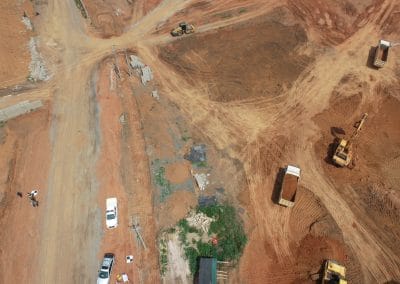
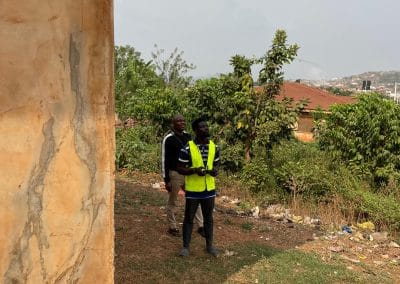
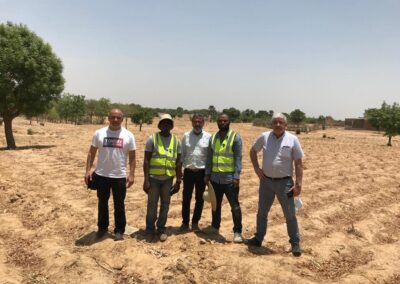
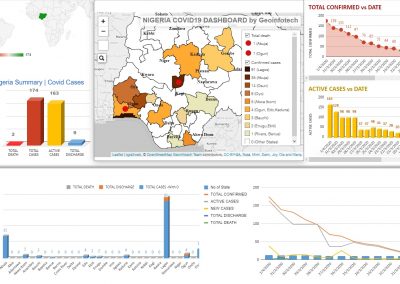
Topographic surveys have become even more critical today due to technological advancements such as GPS and GNSS surveying, drone mapping, LiDAR scanning and digital terrain modeling. These technologies provide highly accurate 3D representations of terrain, improving planning precision and project outcomes. Topographic surveys are essential for designing stable foundations and safe structures as shown in Figure 3.
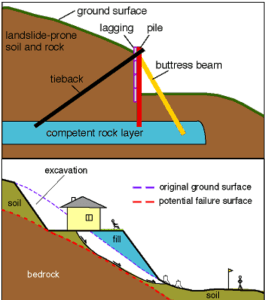
Figure 3: Designing stable foundations and safe structures Identification of Land through Topographic Survey Information
Topographic surveys are essential for designing stable foundations and safe structures. They identify unstable slopes and soil conditions, they reveal flood-prone areas and erosion risks and they help engineers determine safe building locations. Understanding land slope and stability ensures structures are designed safely and reduces the risk of structural failure.
Financial benefits Topographic Survey
Topographic surveys play a major role in minimizing construction costs. For example, accurate earthwork calculations (cut and fill volumes), reduced rework due to design errors, better material estimation, efficient resource allocation and precise terrain data helps avoid expensive surprises and improves financial planning throughout construction.

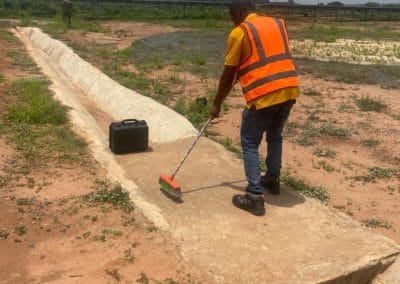
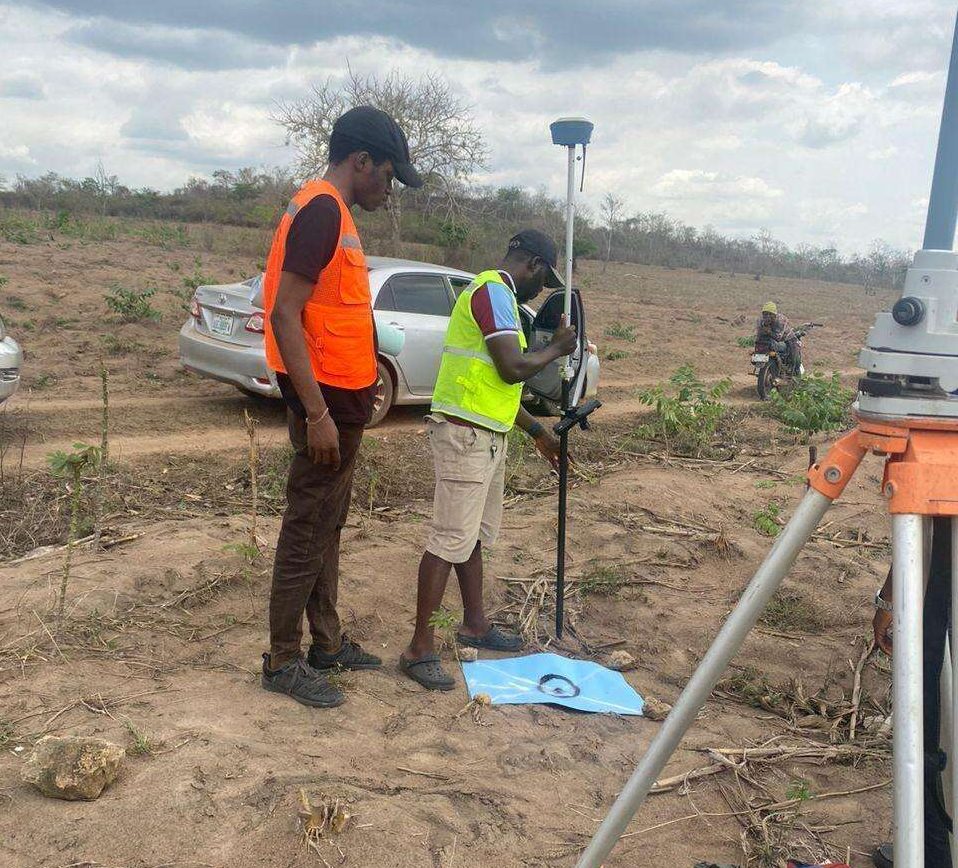
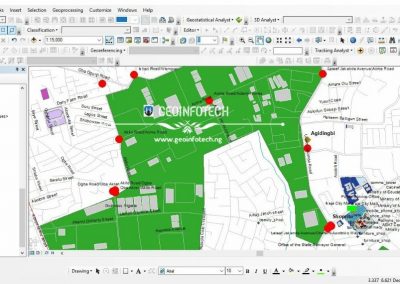
Figure 4: Identified Equipment required for construction through topographic survey
- Consequences of Not Conducting Topographic Surveys
Failure to conduct a topographic survey may lead to structural instability, project delays, legal disputes, increased costs and safety hazards. Inaccurate terrain data can result in foundation errors, misalignment, and construction failure.
- Conclusion
Topographic surveys are indispensable in modern construction projects because they provide accurate, reliable, and comprehensive information about land characteristics. Topographic surveys are the backbone of modern construction projects. Without this type of survey, construction projects would face increased risks, inefficiencies, and uncertainties. As construction continues to evolve with advanced technologies and sustainability demands, the importance of topographic surveys will only continue to grow. They provide accurate, reliable, and comprehensive spatial data that supports planning, design, safety, cost management, environmental sustainability, and regulatory compliance. They support effective planning, risk management, cost control, regulatory compliance, environmental sustainability, and project efficiency. Without topographic surveys, construction projects would rely on assumptions rather than precise data, significantly increasing the likelihood of failure, delays, and financial losses.