

Investing in Nigerian real estate is one of the fastest ways to build “generational wealth.” But let’s be honest: without the right data, it can also be the fastest way to lose your hard-earned millions. From Omonile (land-grabbers) drama to buying land that’s actually a dedicated “Green Zone,” the risks are real.
If you want to move from a “lucky investor” to a Smart Investor, you need to understand GIS (Geographic Information Systems). Think of it as your digital “insurance” before you ever drop a single Naira on a property.
What is GIS and Why Should You Care?
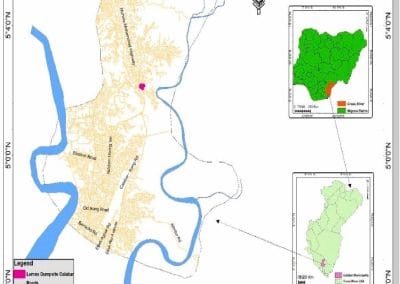
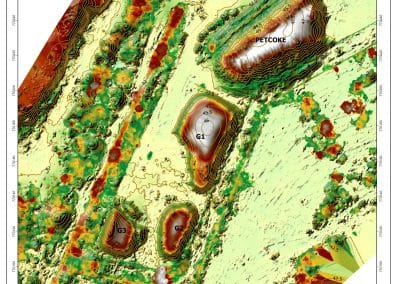
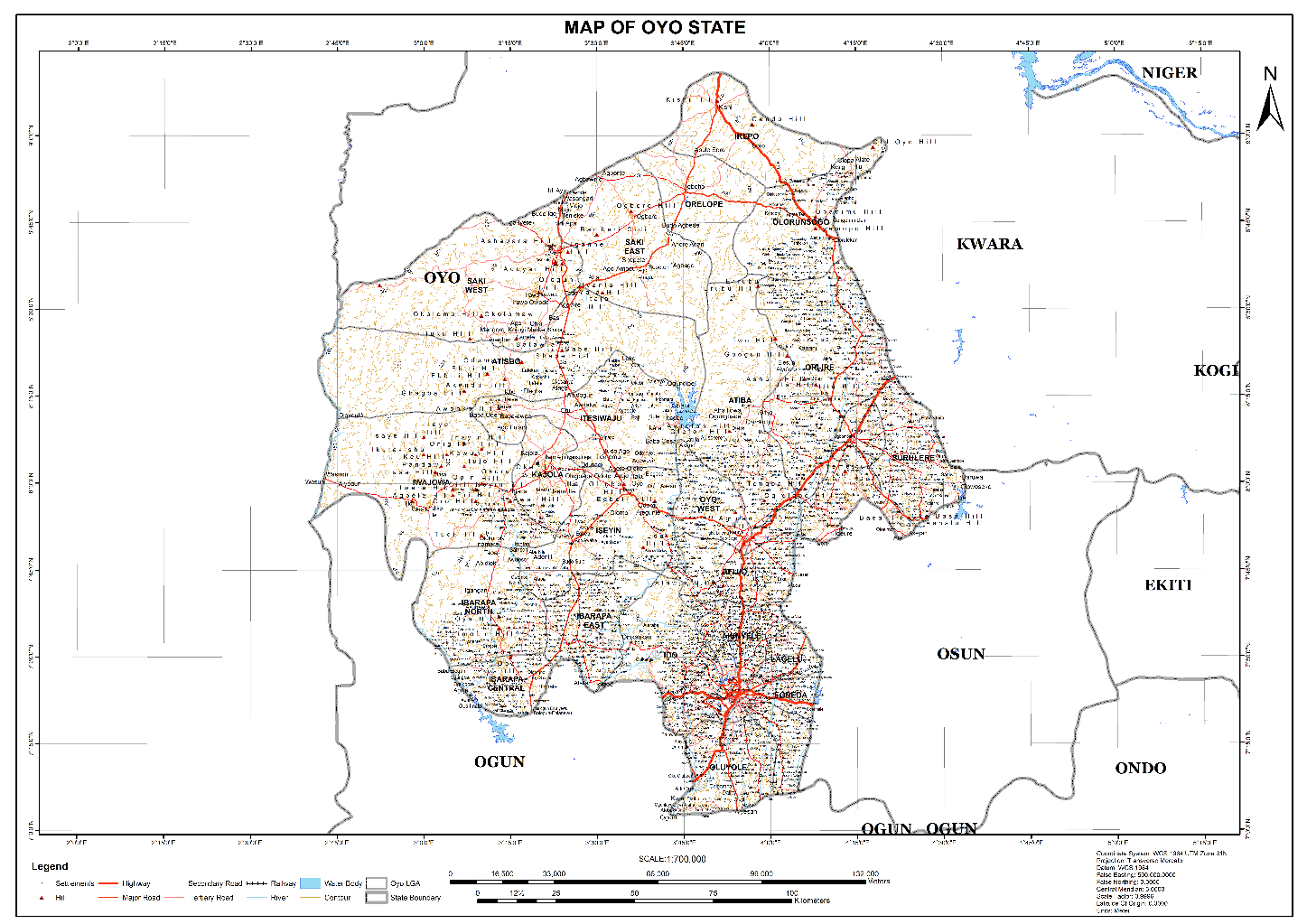
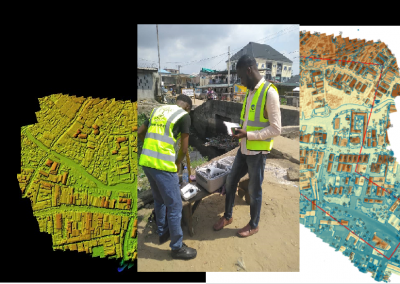
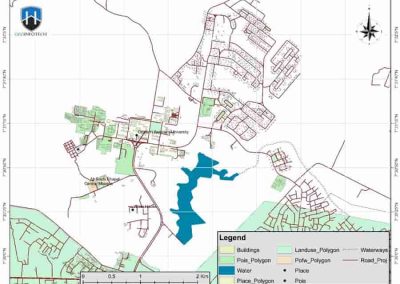
In simple terms, GIS is a technology that captures, stores, and analyzes data linked to a specific location. While others are looking at a “bush” and seeing just trees, a GIS-smart investor is looking at a digital map that reveals the truth about elevation, soil type, and government “red zones.”
In a market like ours, where land documents can be “mysteriously” complicated, GIS is the light that exposes the truth.
5 Ways GIS Saves You from “Premium Tears”
1. Confirm Your Boundaries (No More Encroachment)
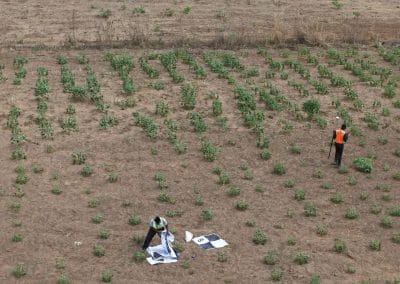
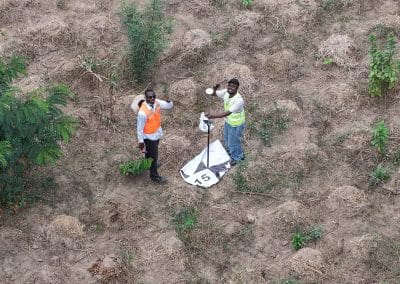
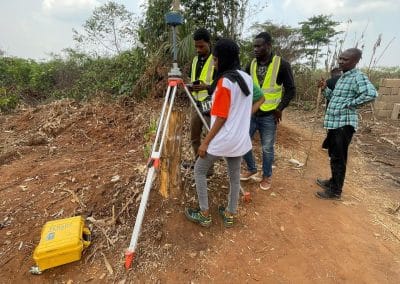
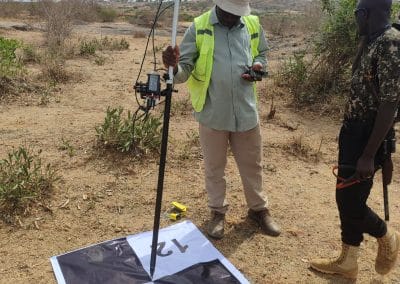
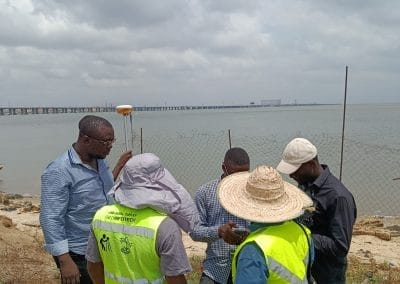
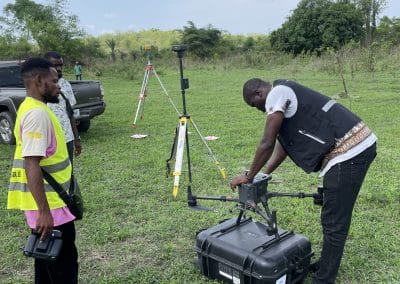
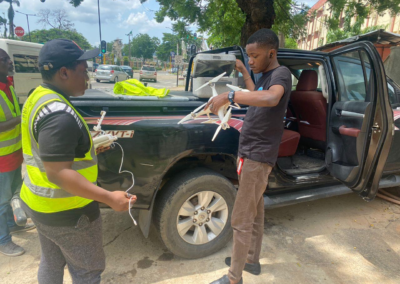
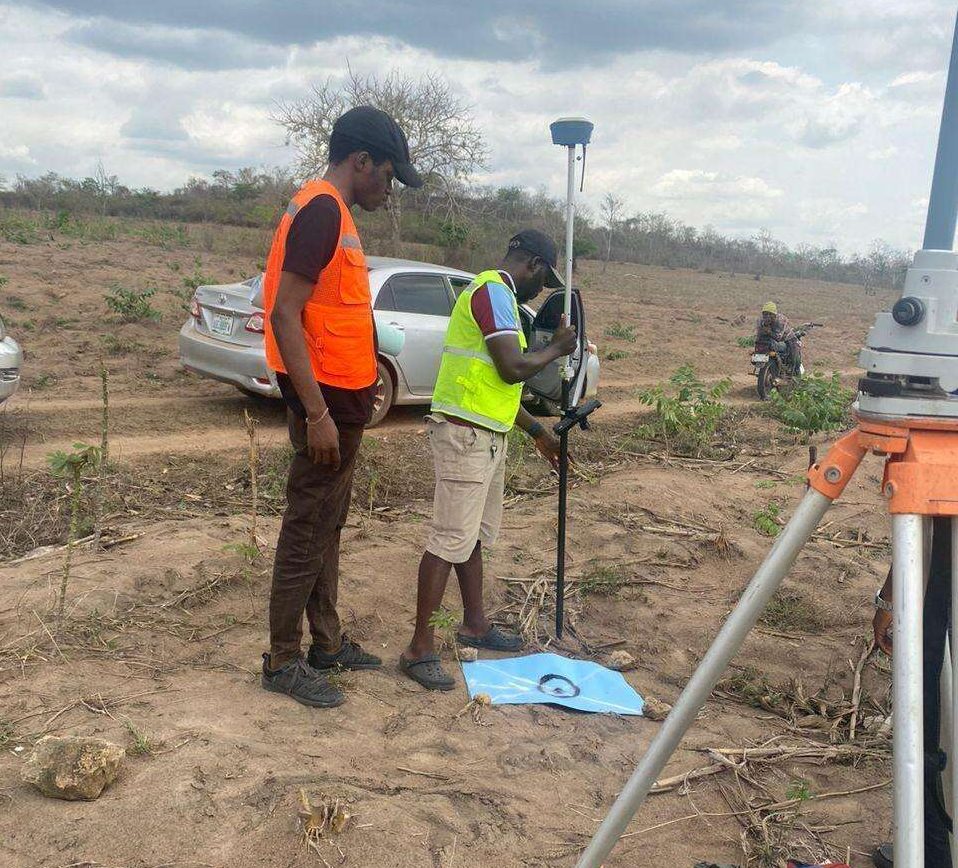
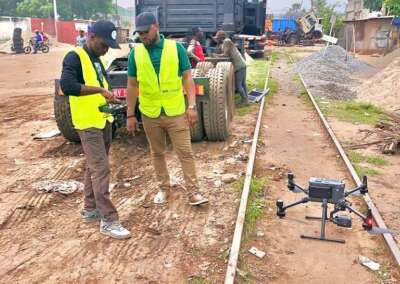
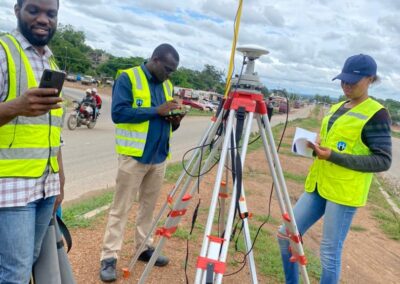
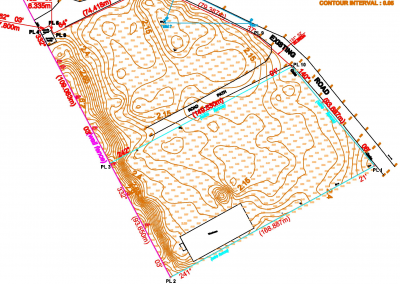
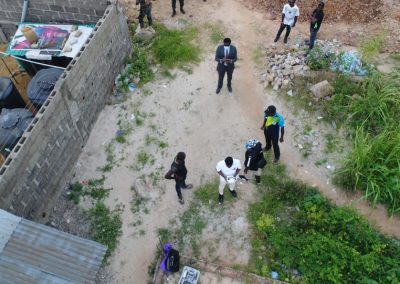
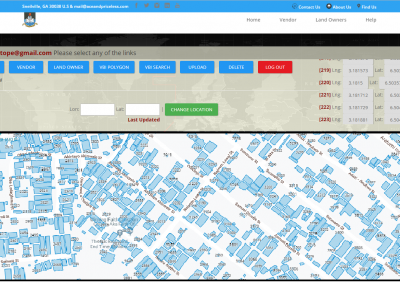
We’ve all heard stories of people buying 2 plots, only to find out it’s barely 1.5 plots when they start fencing. By using GNSS (Global Navigation Satellite System) and GIS mapping, you get the exact coordinates of your land. This digital footprint ensures no neighbor can “shift” your boundary while you’re not looking.
2. Spot the “Rainy Season” Disaster Before You Buy
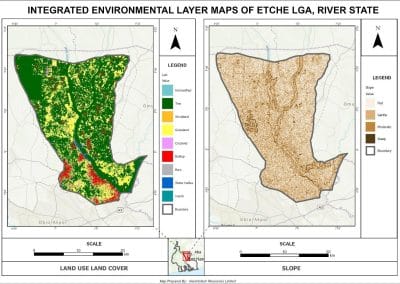
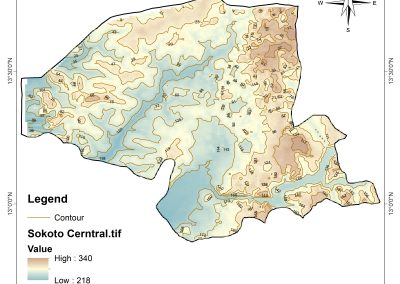
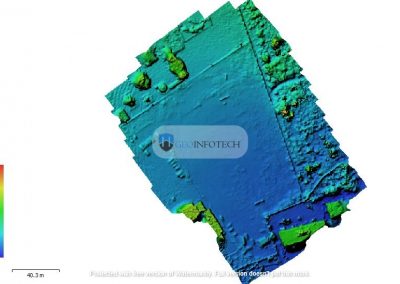
That dry land you saw in January could be a swamp by June. GIS allows experts to run Flood Risk Analysis. By looking at the topography (the “highs and lows” of the ground), we can tell you exactly where water will settle. Don’t build a house that will eventually need a canoe to reach!
3. Avoid Government “Committed Land”
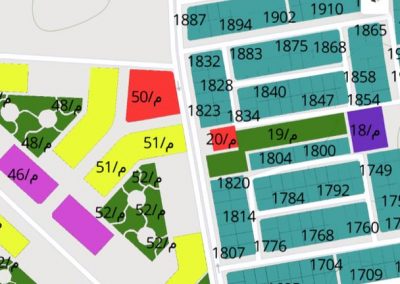
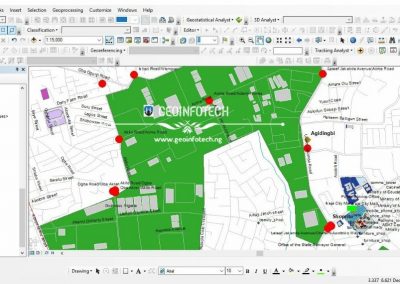
This is the big one. Many investors buy land only to find out later that the government has already earmarked that exact spot for a new highway or power line. GIS databases integrate urban planning maps, so you can verify if a land is free from government acquisition before you pay.
4. Future-Proof Your ROI
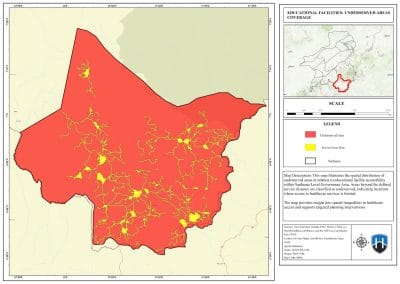
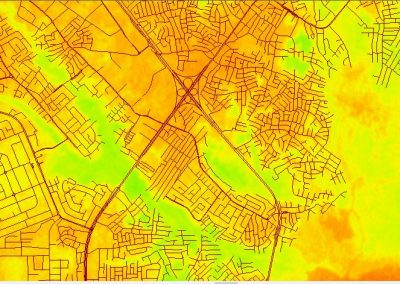
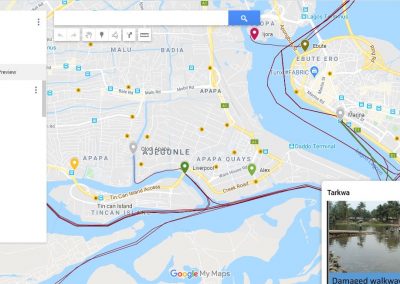
Why is land in Ibeju-Lekki, Epe, or Mowe-Ofada booming? Infrastructure. GIS helps you perform Proximity Analysis. You can map out how close a property is to the proposed 4th Mainland Bridge, the New Airport, or major industrial hubs. If you know where the road is going before it’s built, you’ve already won.
5. Soil Suitability & Construction Costs
Are you buying for a warehouse, a farm, or a residential estate? Different projects need different ground. GIS helps analyze soil quality and slope, saving you millions in “trial and error” foundation costs once construction begins.
How to Move Like a 2026 Smart Investor
Don’t just take the agent’s word for it. Here is your professional checklist:
- Insist on a Digital Survey: Paper surveys are old school. Ask for the Shapefiles or digital coordinates that can be plugged into a GIS.
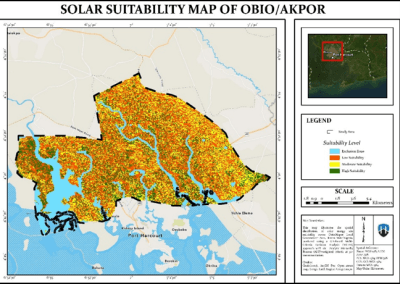
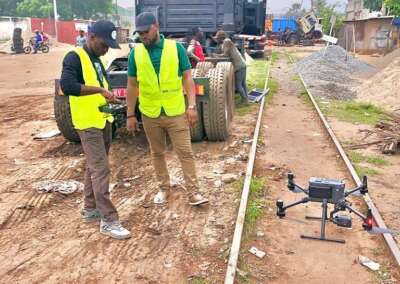
- Get a Professional GIS Report: Work with geospatial firms that can give you a “Site Suitability Score” for any land you’re eyeing.
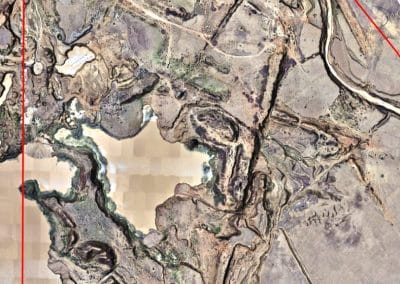
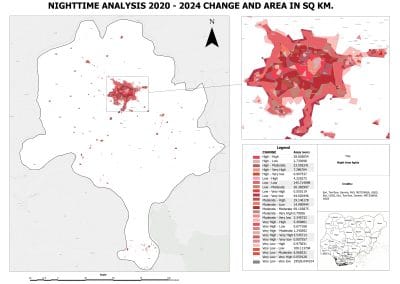
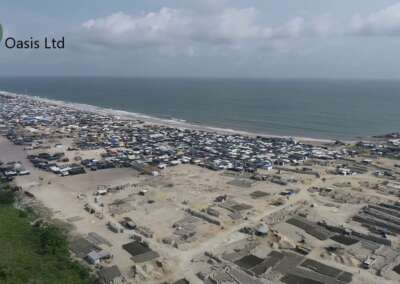
- Check the Satellite History: Use satellite imagery to see what was on that land 10 years ago. Was it a dump site? A hidden stream? The data doesn’t lie.
Conclusion: Data is the New Gold
In Nigeria’s 2026 real estate market, the most successful investors aren’t the ones with the most luck; they are the ones with the best data. GIS turns land investment from a gamble into a calculated strategy.
Stop buying “stories” and start buying verified data.