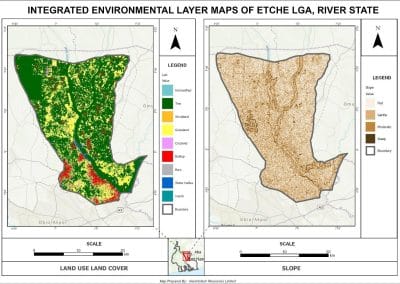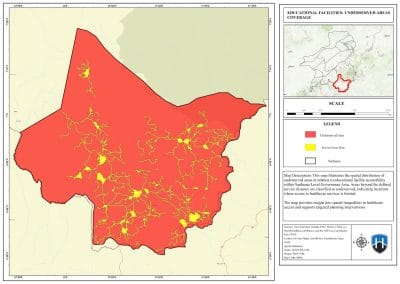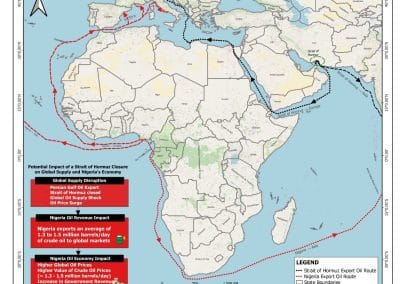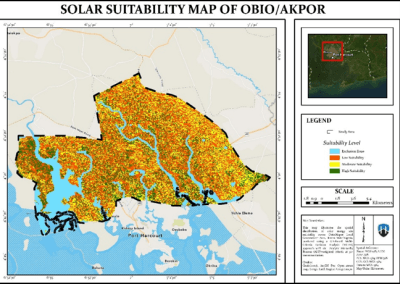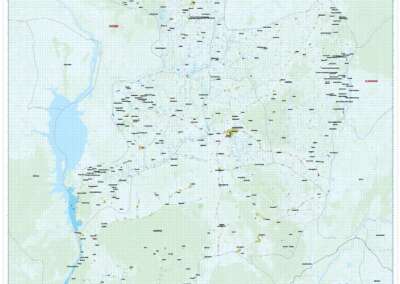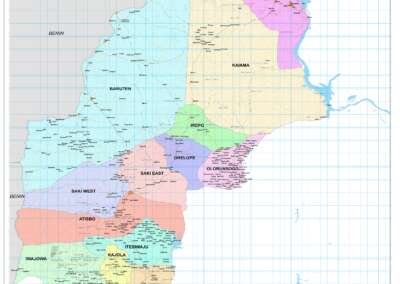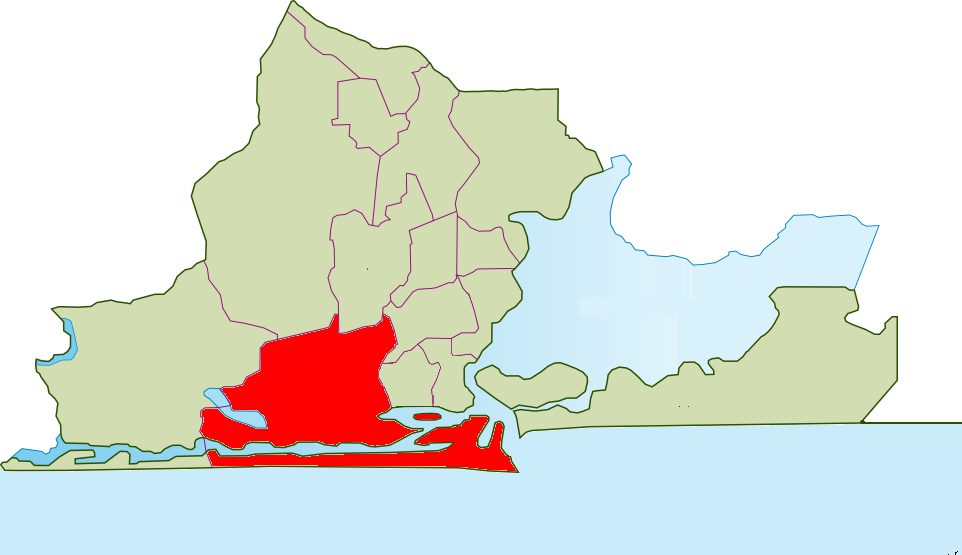

Data collection and integration are fundamental to modern geospatial analysis, engineering surveys, environmental monitoring, urban planning, and decision-support systems. The accuracy, reliability, and usefulness of analytical outputs depend directly on how data is acquired and how effectively multiple datasets are combined. In contemporary practice, data originates from diverse sources such as field surveys, remote sensing platforms, administrative records, and sensor-based systems, making structured integration essential.
Understanding Data Collection in Modern Practice
Data collection is a systematic process of acquiring raw observations using standardized methods to ensure accuracy, consistency, and reproducibility. In geospatial and engineering contexts, data is broadly classified into primary and secondary data.
Primary data is collected directly through field observation or measurement, while secondary data is obtained from existing databases, reports, and institutional repositories. The choice of data collection method depends on project objectives, required spatial and temporal resolution, cost, accessibility, and regulatory considerations. Modern projects increasingly adopt multi-source data collection strategies, combining ground-based, airborne, and satellite technologies to achieve comprehensive spatial coverage.
Common Methods of Data Collection
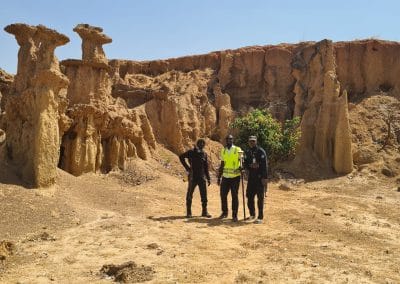
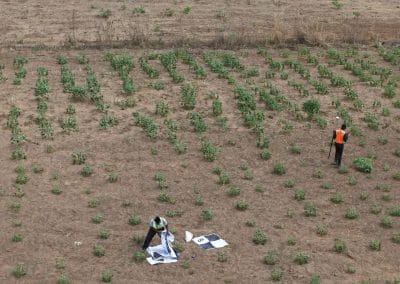
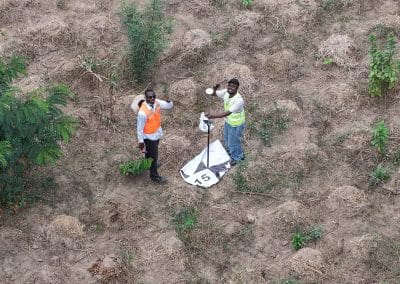
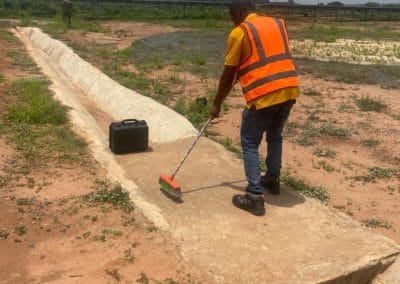
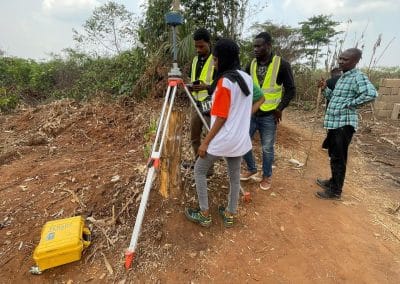
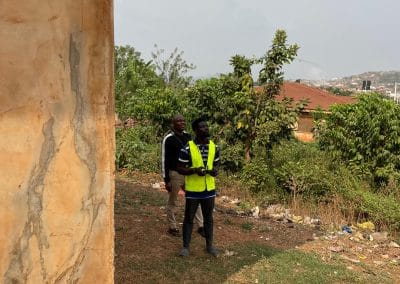
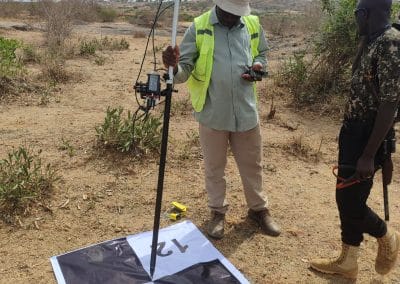
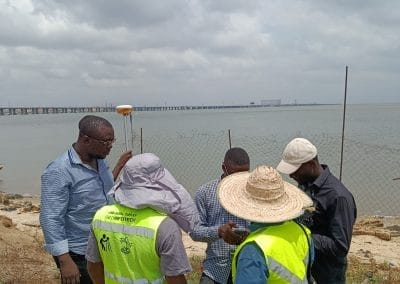
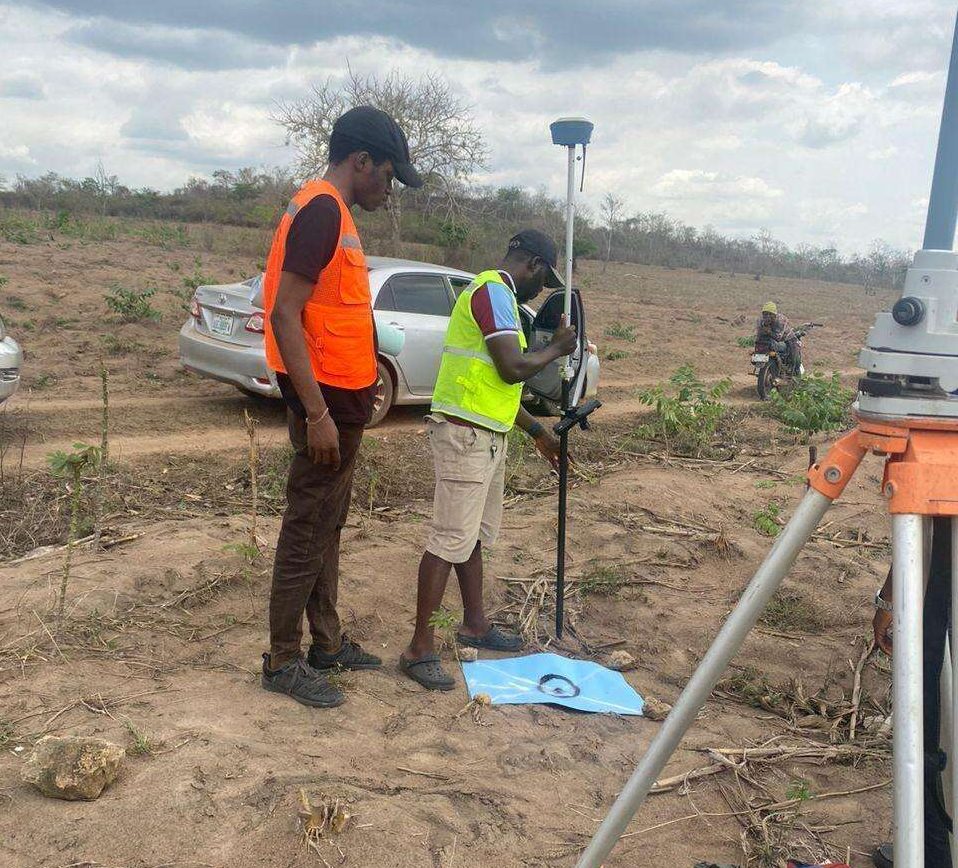
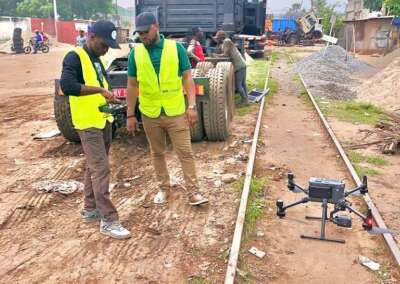
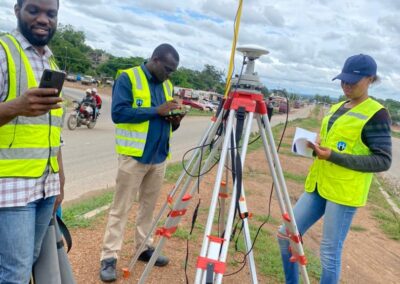
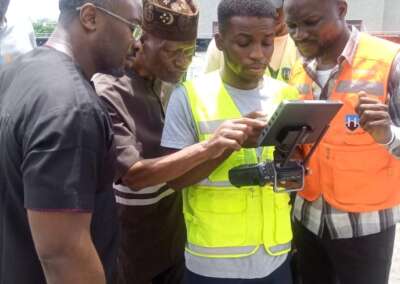
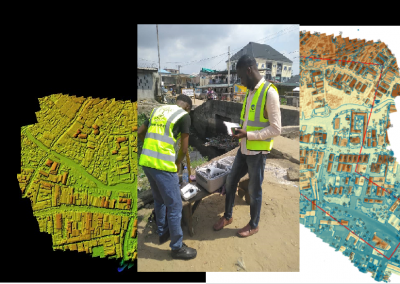
Field-based data collection remains a core component of geospatial work. Instruments such as total stations, GNSS receivers, leveling equipment, and mobile data capture devices provide high positional accuracy and serve as ground truth for validation.
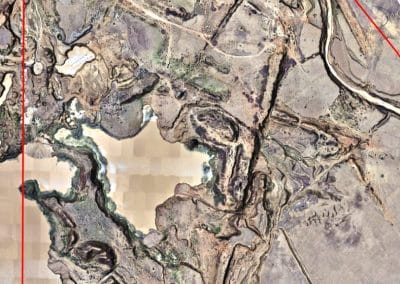
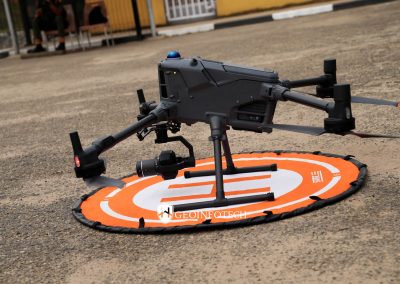
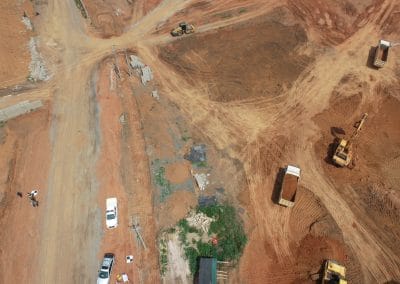
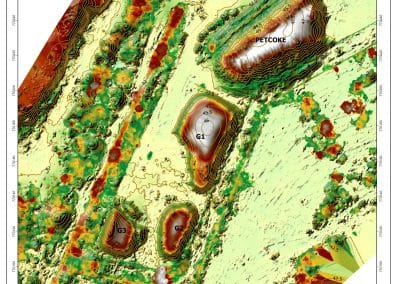
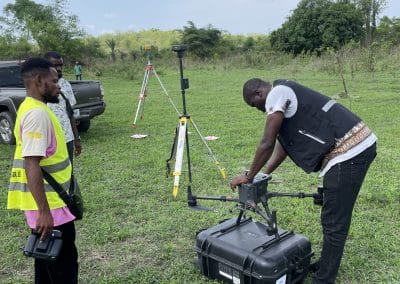
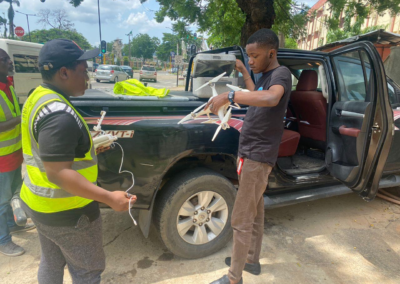
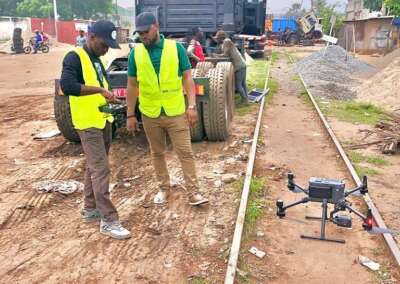
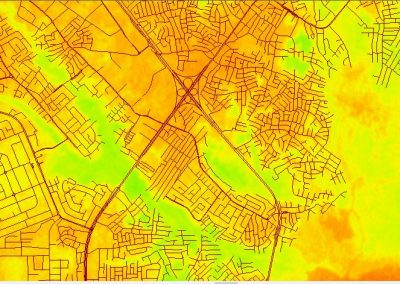
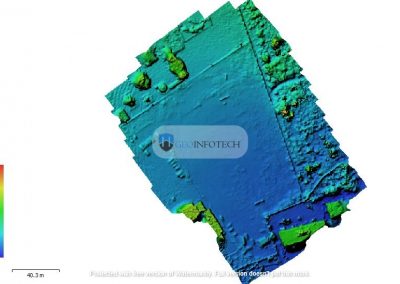
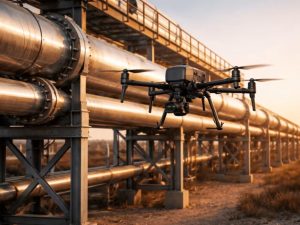
Remote sensing methods, including satellite imagery and UAV-based data acquisition, enable rapid coverage of large areas. These techniques provide multispectral, hyperspectral, and temporal datasets that support land use analysis, environmental monitoring, infrastructure mapping, and disaster assessment.
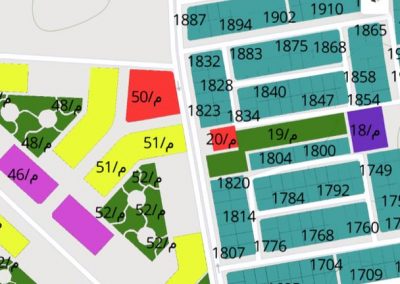
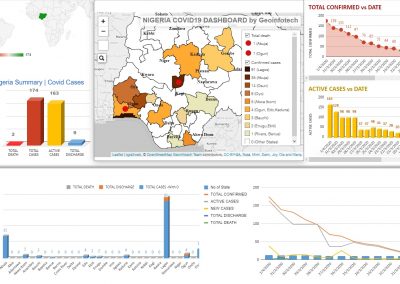
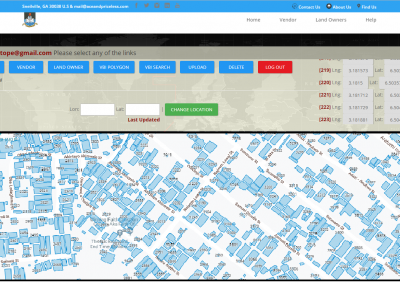
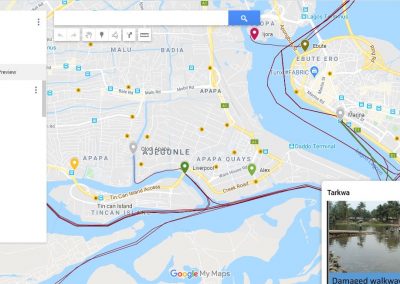
Administrative and institutional datasets contribute demographic, cadastral, utility, and planning information, adding essential contextual attributes to spatial analysis. In addition, sensor-based and real-time data systems, such as Internet of Things devices and automated weather stations, support continuous monitoring in smart city and environmental applications.
Concept of Data Integration
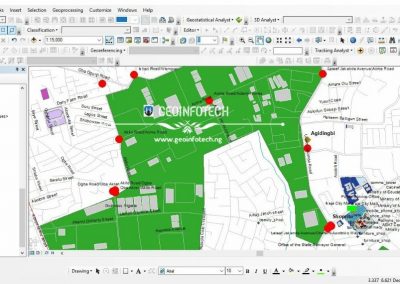
Data integration involves combining datasets from multiple sources into a unified and coherent system that supports analysis, visualization, and decision-making. Because datasets often differ in format, coordinate systems, scale, temporal resolution, and accuracy, integration requires both technical precision and methodological rigor.
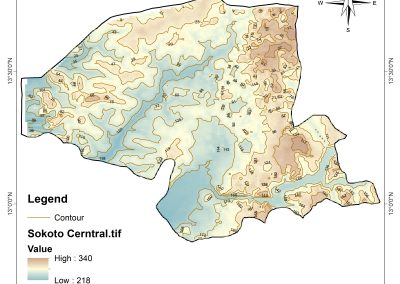
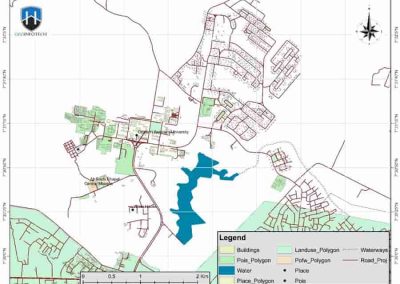
Effective data integration improves interoperability, reduces redundancy, enhances data completeness, and increases analytical reliability. In spatial systems, integration typically includes aligning raster and vector datasets, reconciling attribute tables, and ensuring consistent spatial referencing.
Data Harmonization and Standardization
Harmonization is a critical stage of data integration. It involves transforming datasets into compatible formats and structures through coordinate system transformation, projection alignment, scale normalization, and temporal synchronization.
Standardization ensures consistency in naming conventions, attribute definitions, measurement units, and metadata documentation. International and national standards, including ISO and OGC frameworks, provide guidance that supports interoperability across platforms, organizations, and institutions.
Quality Control and Data Validation
Quality control is essential to ensure the reliability of integrated datasets. This process involves assessing positional accuracy, attribute accuracy, completeness, consistency, and logical coherence.
Validation techniques include cross-checking field measurements against reference datasets, conducting error analysis, and performing statistical consistency tests. In geospatial applications, ground truthing remains a key method for verifying remotely sensed and modeled data.
Data Integration Workflow
A structured data integration workflow begins with data acquisition and initial screening, followed by data cleaning and preprocessing. This stage addresses missing values, noise, duplication, and format inconsistencies.
Subsequent steps include spatial and attribute alignment, database integration, and metadata documentation. The final stage involves storing integrated datasets in centralized repositories or spatial databases, ensuring accessibility for analysis, sharing, and future reuse. A well-defined workflow enhances data traceability, reproducibility, and long-term usability.
Applications of Data Collection and Integration
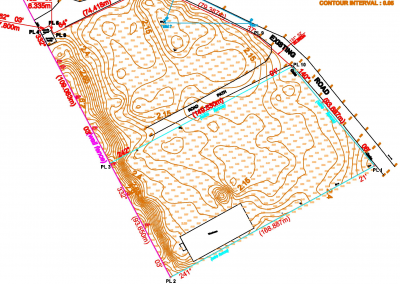
Integrated data systems support a wide range of applications across sectors. In urban and regional planning, they inform land use analysis and infrastructure development. In surveying and mapping, integrated datasets improve the accuracy of topographic models, cadastral systems, and engineering designs.
Environmental management relies on integrated spatial data for monitoring ecosystems, managing natural resources, and assessing climate impacts. In governance and policy development, integrated socio-spatial data enables evidence-based decision-making and efficient resource allocation.
Challenges in Data Collection and Integration
Despite technological progress, several challenges remain. Data heterogeneity, limited accessibility, inconsistent standards, high acquisition costs, and data privacy concerns continue to affect integration efforts.
Technical issues such as coordinate mismatches, scale incompatibility, and temporal inconsistencies further complicate integration processes. Addressing these challenges requires institutional collaboration, capacity building, and the adoption of robust data governance frameworks.
Conclusion
Data collection and integration are indispensable components of modern analytical and decision-support systems. Their effectiveness directly determines the accuracy, reliability, and relevance of analytical outcomes across scientific, engineering, and policy domains.
A structured approach that emphasizes methodological rigor, standardization, quality control, and interoperability is essential for maximizing the value of collected data. As data sources and volumes continue to expand, strong data collection and integration frameworks will remain central to sustainable development, technological innovation, and informed decision-making.
Contact Geoinfotech Resources Limited is proficient in data collection and integration for project execution and sustainable development, competent of creating quality maps and other relevant services. Geoinfotech Resources Limited is a surveying and GIS company that is well equipped for rendering services in different sectors including agriculture, land survey, environmental monitoring, oil and gas survey/inspection, education, estate planning and management, construction, engineering etc. We are also famous and reliable suppliers of GIS and surveying instruments to individuals and organisations within Nigeria and abroad.