
Introduction
Land is one of Nigeria’s most valuable and sensitive assets, serving as the foundation for housing, agriculture, infrastructure, industrial development, and cultural heritage. As population growth, urbanization, and infrastructural expansion increase across the country, the need for accurate land measurement and documentation has become more critical than ever.
Land surveying in Nigeria plays a vital role in ensuring proper land management, legal certainty, and sustainable development. This article explores the importance and worth of land surveying in Nigeria, highlighting its legal, economic, environmental, and social relevance.
What Is Land Surveying?
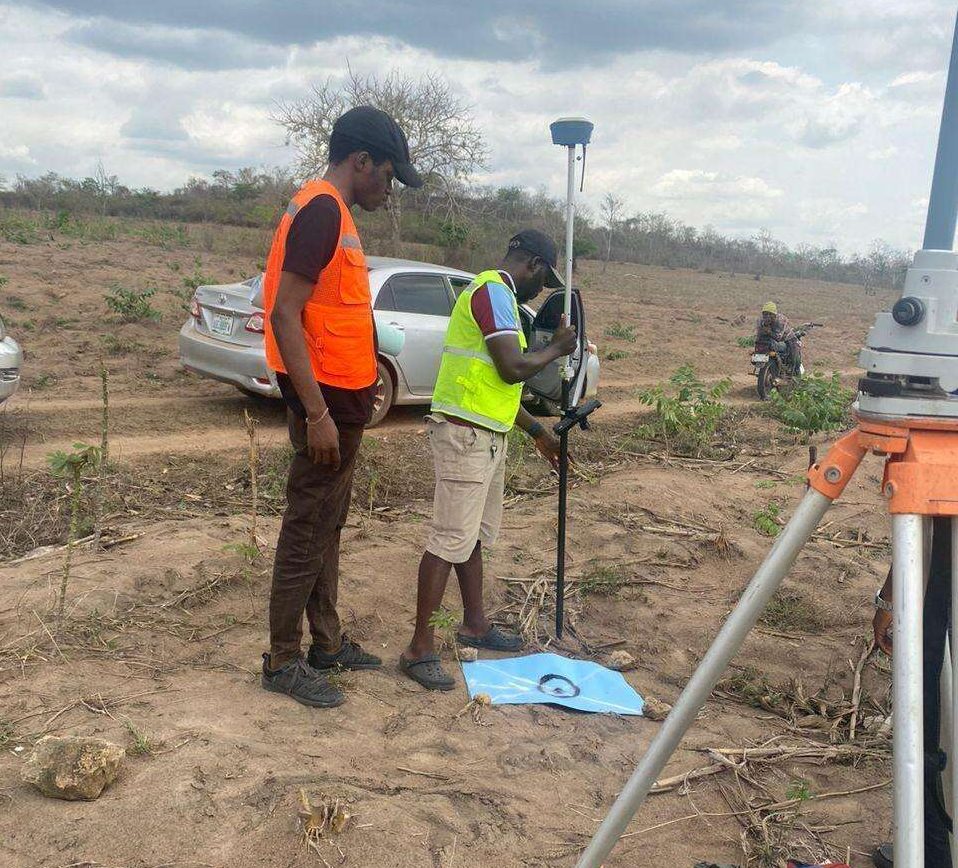
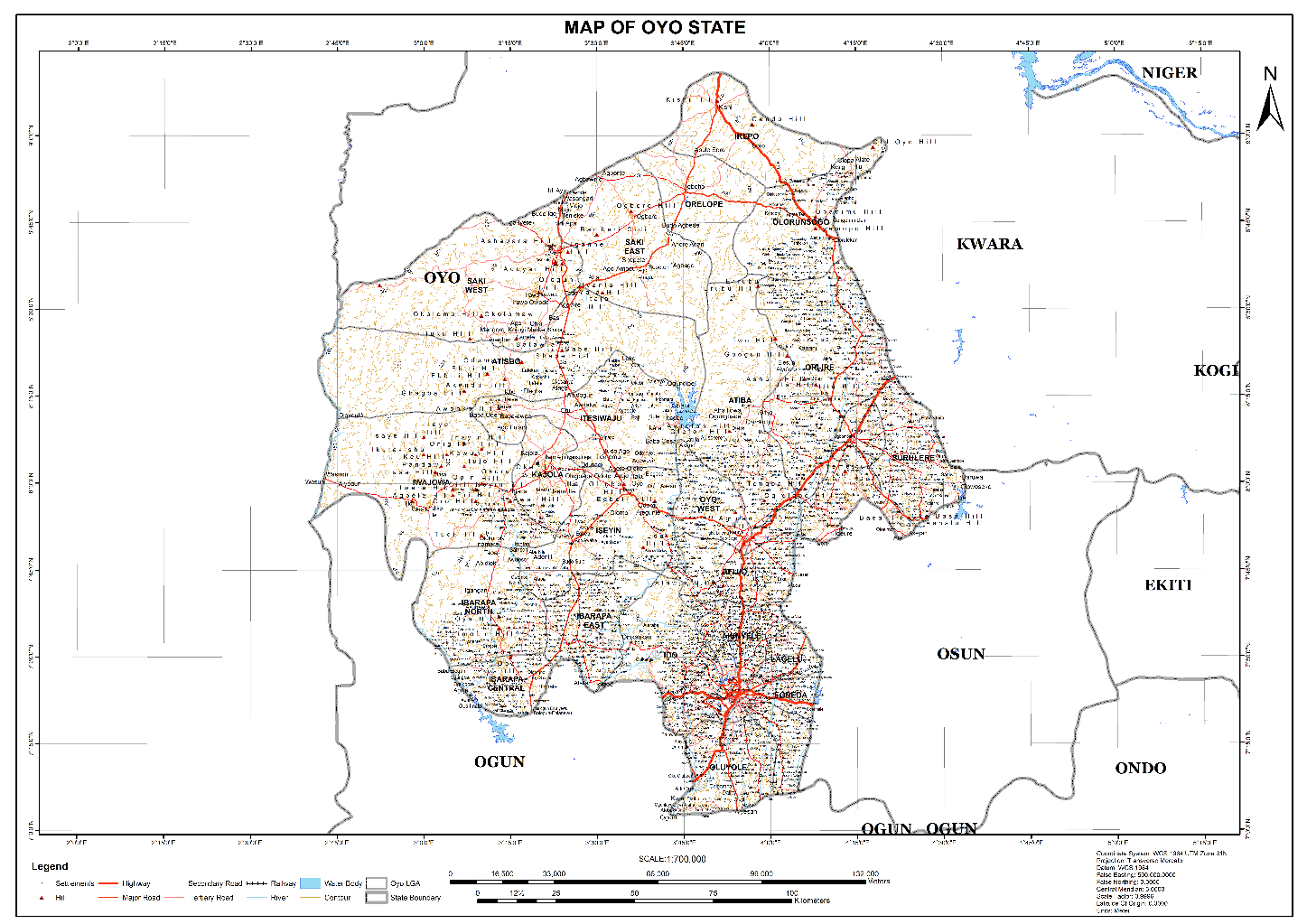
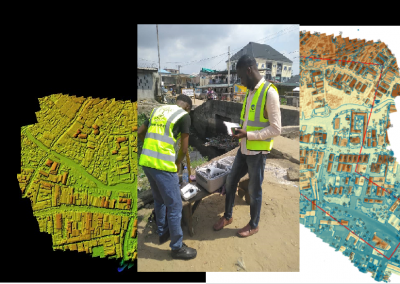
Land surveying is the scientific process of determining the relative positions of points on, above, or beneath the Earth’s surface through precise measurement of distances, angles, and elevations. The resulting data is used to produce survey plans, maps, and spatial records.
In Nigeria, land surveying includes:
Cadastral surveys
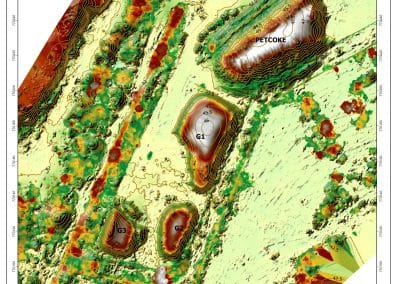
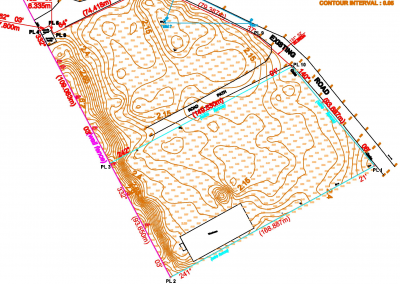
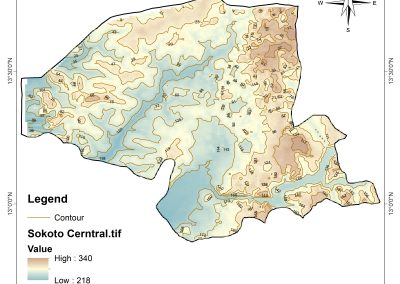
Topographic surveys
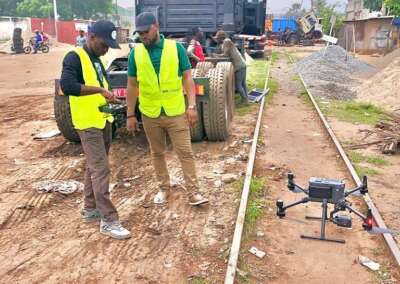
Engineering surveys
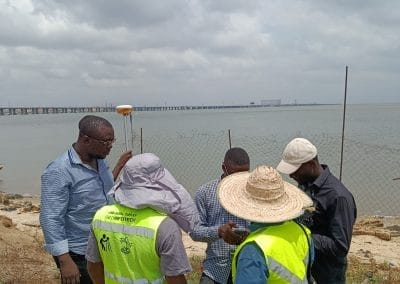
Hydrographic surveys
Geodetic surveys
These surveying methods provide essential data for land ownership, development planning, and national mapping systems.

Legal Importance of Land Surveying in Nigeria
One of the most critical values of land surveying in Nigeria lies in its legal importance. Under the Land Use Act of 1978, all land is vested in the state governors, who grant land rights to individuals and organizations.
Survey plans prepared by registered land surveyors are required for:
Certificates of Occupancy (C of O)
Land registration and title documentation
Court cases involving land ownership
Accurate survey plans serve as legally admissible evidence and help protect property rights while ensuring compliance with statutory regulations.
Role of Land Surveying in Preventing Land Disputes
Land disputes are common in Nigeria due to unclear boundaries, communal land ownership, inheritance conflicts, and urban expansion. Professional land surveying provides accurate boundary demarcation based on scientific measurement rather than assumptions or traditional landmarks.
By clearly defining property limits, land surveying helps:
Prevent encroachment
Eliminate overlapping land claims
Resolve land disputes peacefully
Survey plans are often relied upon by courts and land registries as authoritative references.
Land Surveying and Urban & Regional Planning
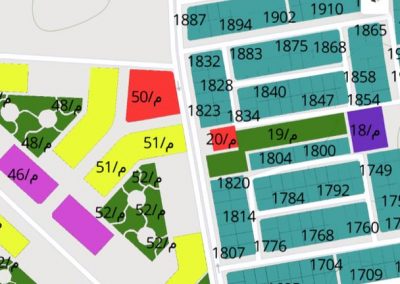
Effective urban and regional planning depends heavily on accurate spatial data generated through land surveying. Surveyed layouts guide:
Land subdivision and zoning
Road and drainage alignment
Utility and infrastructure placement
In Nigeria’s rapidly growing cities, poor or absent surveying often results in unplanned developments, flooding, traffic congestion, and slum formation. Proper land surveying supports development control and sustainable city growth.
Importance of Land Surveying in Infrastructure Development
Land surveying is essential for infrastructure and engineering projects such as roads, railways, bridges, dams, airports, pipelines, and power installations.
Engineering surveys provide vital data on terrain, elevation, and alignment, helping to:
Reduce construction errors
Prevent costly redesigns
Ensure structural safety
Surveying also plays a key role in land acquisition and compensation processes for public projects in Nigeria.
Economic and Investment Value of Land Surveying
Secure land tenure supported by accurate surveying increases land value and boosts investor confidence. Surveyed land can be used as collateral for bank loans, enabling access to credit for individuals and businesses.
For real estate developers, industrial investors, and agricultural enterprises, land surveying reduces financial risk and promotes transparency in Nigeria’s land market, contributing to overall economic growth.
Role of Land Surveying in Agriculture and Rural Development
Agriculture remains a major contributor to Nigeria’s economy. Land surveying supports agricultural productivity by clearly defining farm boundaries and preventing land encroachment.
Surveyed agricultural land enables:
Mechanized farming
Efficient irrigation planning
Land consolidation and reform programs
In rural areas, land surveying also supports sustainable land use and rural development initiatives.
Environmental Management and Disaster Risk Reduction
Land surveying plays a crucial role in environmental protection and disaster management. Survey data is used to map:
Flood-prone areas
Erosion zones
Wetlands and coastal regions
In Nigeria, where flooding and erosion pose significant risks, land surveying supports environmental impact assessments and disaster mitigation planning, helping to protect lives, property, and natural resources.
Land Surveying, Technology, and Governance
Modern land surveying provides foundational data for:
Geographic Information Systems (GIS)
Remote sensing applications
Digital land administration systems
Surveyed spatial data supports efficient governance through land taxation, infrastructure monitoring, and e-governance. As Nigeria moves toward smart cities and digital mapping, land surveying remains central to accurate decision-making.
Cultural and Social Importance of Land Surveying
Land in Nigeria often holds cultural, ancestral, and communal significance. Land surveying helps document communal boundaries, heritage sites, and sacred areas, reducing inter-communal conflicts.
By integrating traditional land tenure systems with formal legal frameworks, surveying promotes social cohesion and cultural preservation.
Conclusion
The worth of land surveying in Nigeria cannot be overstated. It underpins legal land ownership, dispute resolution, infrastructure development, environmental sustainability, and economic growth.
As Nigeria continues to experience rapid urbanization and population expansion, strengthening professional land surveying practices and adopting modern technologies will be essential for sustainable development and national stability.