
Drone mapping is rapidly becoming one of the most transformative tools in the African surveying and geospatial sector. From land administration to agriculture, mining, engineering and environmental monitoring, unmanned aerial vehicles are helping surveyors capture richer datasets, deliver results faster and work more efficiently. Yet even with all these advancements, it is important to emphasize that drone mapping is not a shortcut that sacrifices accuracy. In reality, it strengthens precision, reinforces field verification and enhances the professional standards of the surveying industry.

A New Era of Surveying Technology in Africa
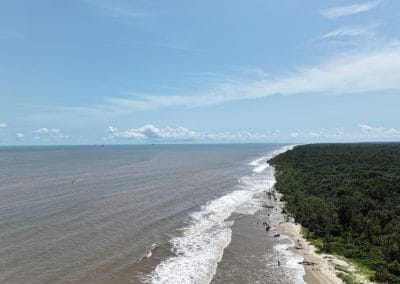
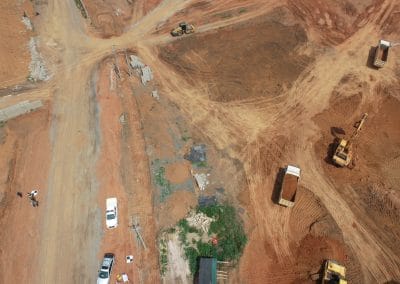
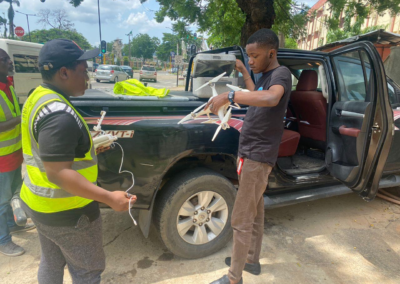
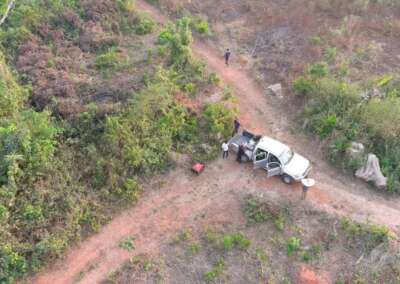
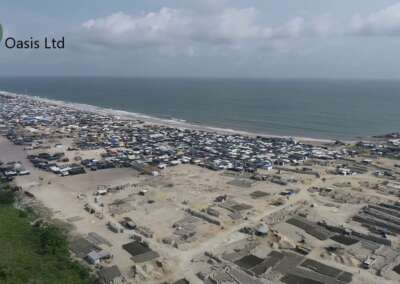
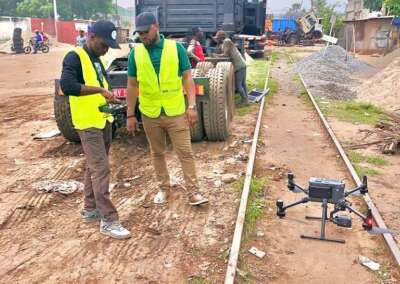
Across the continent, surveyors and geospatial professionals are adopting UAV mapping solutions to overcome long-standing challenges associated with cost, accessibility and time. Traditional field surveys can be slow and physically demanding, especially in remote or hazard-prone environments. Aerial survey with drones allows teams to capture high-resolution imagery and topographic data in a fraction of the time it once required. This has made it easier to map farmlands, informal settlements, erosion zones, mining pits, construction corridors and flood-prone landscapes.
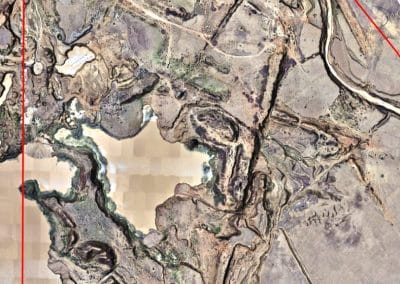
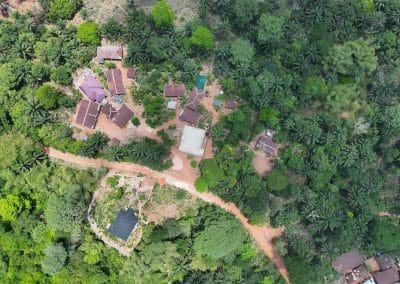
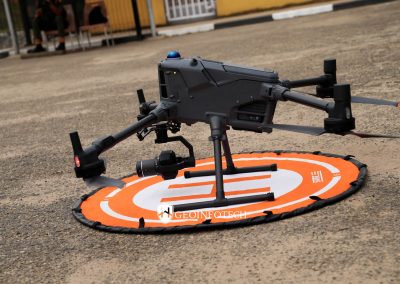
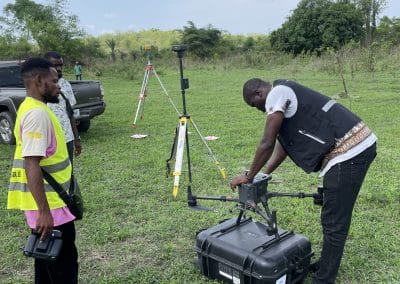
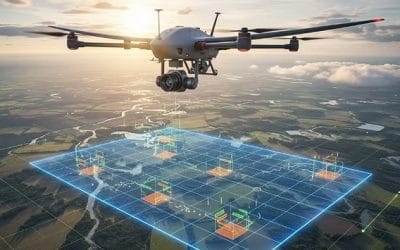
While the speed of data collection is often the most celebrated benefit, it is only one part of the story. Drone mapping Africa projects have shown that the real value comes from the quality and consistency of the data. Modern UAVs equipped with RTK or PPK GNSS, multispectral sensors, thermal cameras or LiDAR can produce centimeter-level accuracy, even over large areas. These outputs are far more detailed than conventional satellite imagery and often more affordable than manned aerial surveys.
Drone Mapping Does Not Replace Groundtruthing
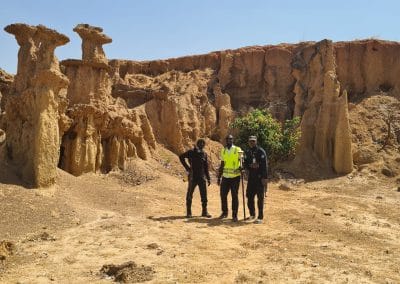
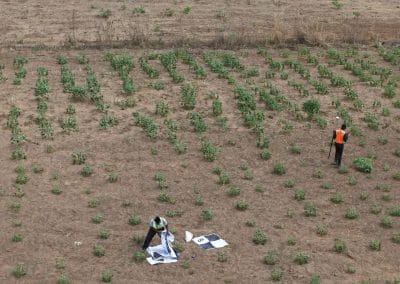
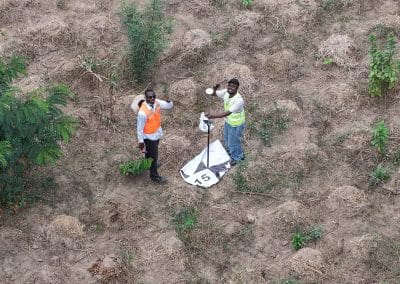
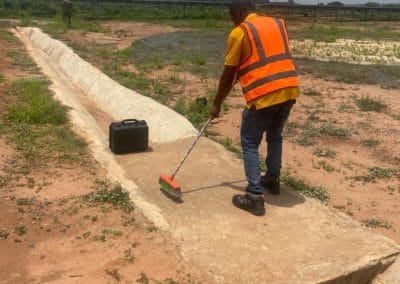
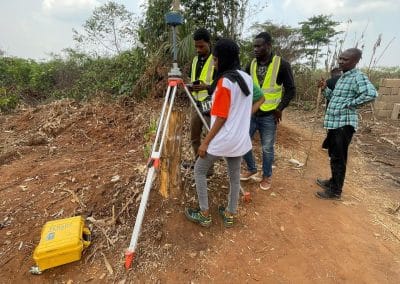
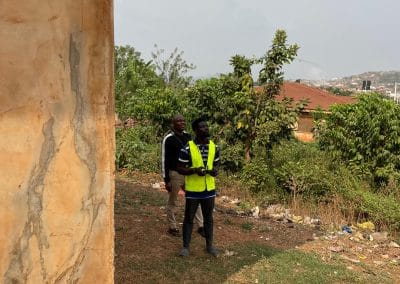
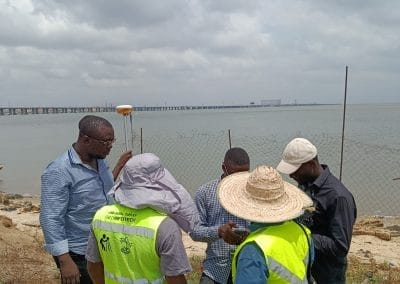
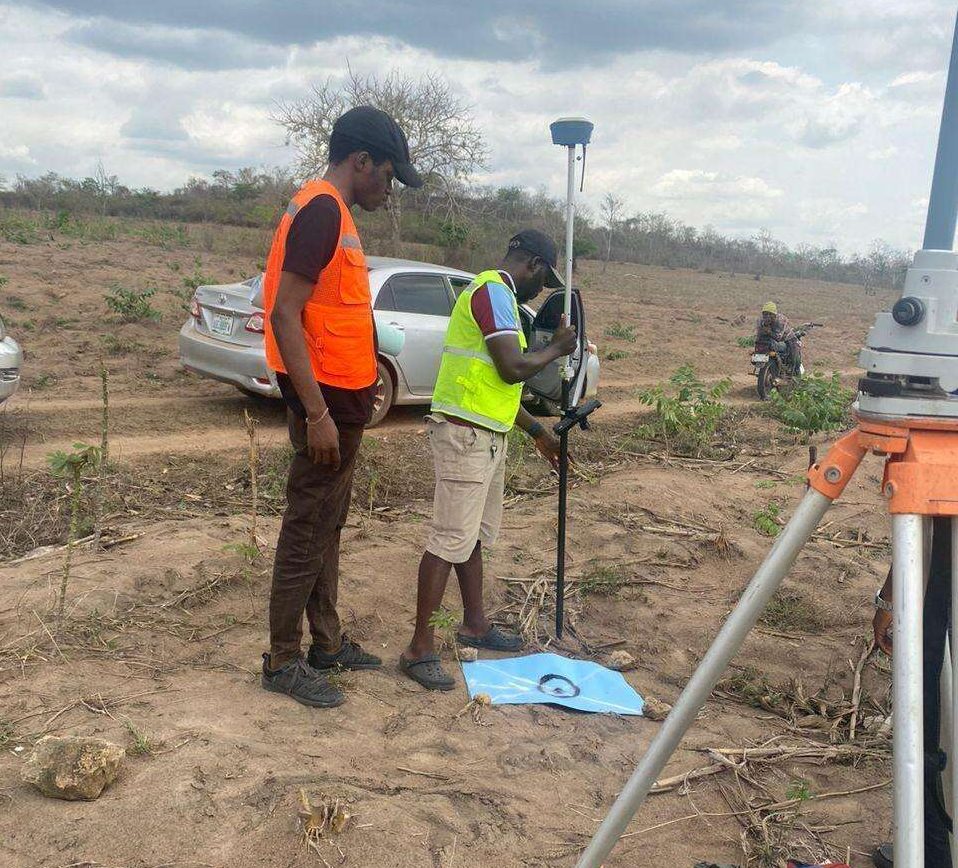
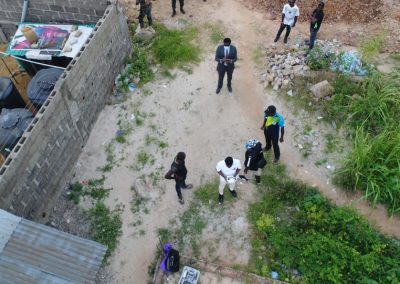
A common misconception is that drone mapping eliminates the need for traditional survey methods. This is not the case. Drones do not replace groundtruthing, and they are not meant to. They provide an overhead understanding of the landscape by capturing what the surface looks like, but they cannot independently confirm what specific features truly represent on the ground. Vegetation seen in an orthomosaic still requires field confirmation to determine the species or health status. Soil variations and subsurface information cannot be reliably interpreted without physical inspection. Boundary markers, utilities and site-specific engineering details still depend on the surveyor’s eyes and instruments.
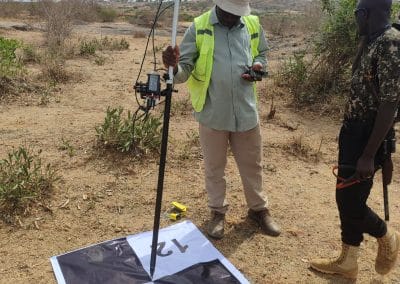
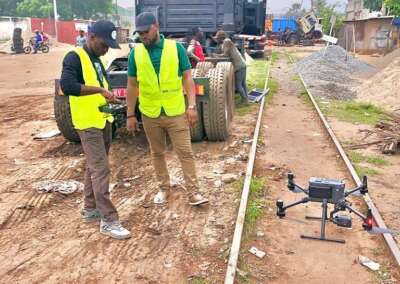
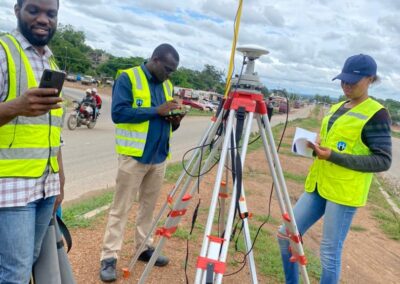
Accuracy still relies on ground control points, GNSS validation and field checks that anchor the aerial data to reality. In many African countries, cadastral and engineering regulations also require licensed surveyors to verify physical markers before certifying any boundary work. Drone mapping enhances the work, but it does not replace the professional responsibility of physically verifying key features.
More than Just a Way to Fast-Track Large Projects
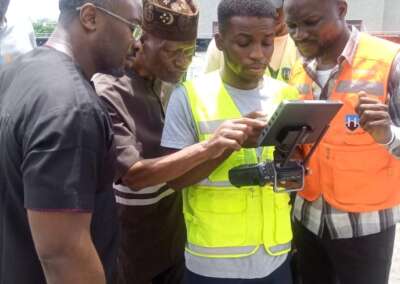
Some may view drone mapping as simply a tool for accelerating large-scale jobs, but that interpretation understates its true impact. The goal is not merely to finish the work faster. Speed is a benefit, but accuracy remains the foundation. Drone-based workflows allow surveyors to spend less time on repetitive traverses and more time on strategic checks, quality control and high-precision measurements. Instead of walking across hundreds of hectares, surveyors can analyze the drone outputs to identify the exact locations that require ground verification. This leads to better decision-making and a more focused approach to fieldwork.
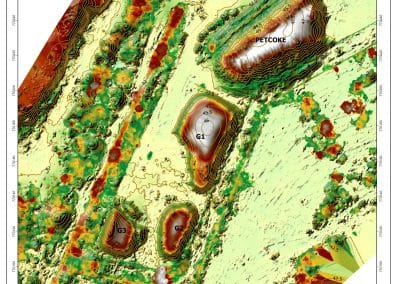
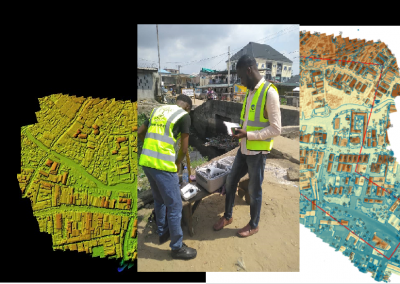
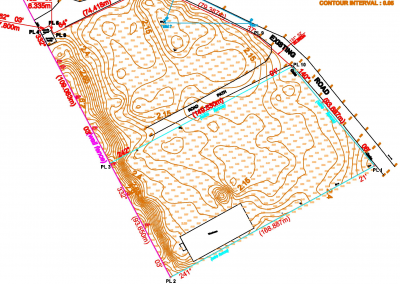
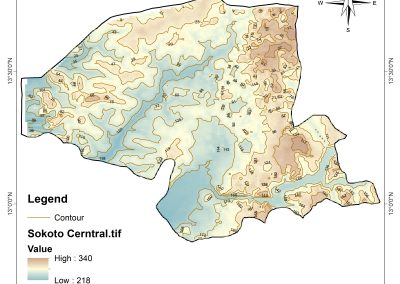
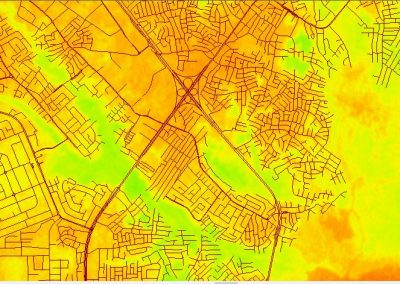
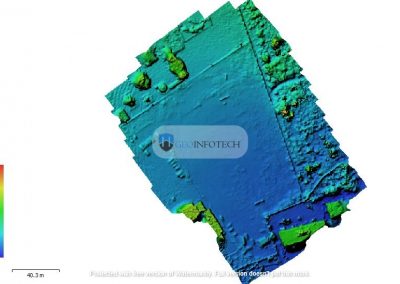
The precision of UAV mapping solutions often exceeds what could be achieved through traditional methods alone. High-density point clouds, digital surface models, contour extraction and georeferenced orthomosaics allow surveyors to measure distances, volumes and elevations with remarkable confidence. When properly integrated with GNSS checkpoints and standardized workflows, these outputs achieve a level of accuracy that satisfies engineering, planning and regulatory requirements.
How Drone Mapping Strengthens Surveying Practice
Drone mapping Africa projects are demonstrating that UAV technology does not dilute the integrity of surveying. Instead, it expands what is possible while reinforcing accuracy. It allows surveyors to detect subtle features that would be missed at ground level, to analyze terrain structures with greater depth and to produce deliverables that clients can interpret easily.
Most importantly, it makes groundtruthing more intelligent. Rather than covering vast areas on foot, surveyors can target only the locations that matter. This approach saves time, reduces field fatigue and improves safety without compromising the precision expected in professional surveying.
The Future of Surveying in Africa
As more countries develop UAV regulations and integrate drone data into national geospatial workflows, drone mapping will play an even bigger role in land governance, infrastructure development, agriculture and environmental monitoring. Surveyors who adopt these tools early will be better positioned to deliver high-quality results that meet both modern expectations and regulatory standards.
Drone mapping s a powerful extension of traditional surveying. It brings speed, clarity and efficiency while ensuring accuracy and precision remain firmly intact. In the evolving landscape of African geospatial practice, drones are raising the standard of what high-quality surveying should look like.