
Drone Mapping vs Satellite Imagery: Which is Better?
In the world of GIS, remote sensing, surveying, and geospatial analysis, two major technologies dominate spatial data collection: Drone Mapping and Satellite Imagery. Both technologies provide valuable geographic information used in industries such as:
- Urban planning
- Agriculture
- Environmental monitoring
- Construction
- Mining
- Disaster management
- Infrastructure development
However, many professionals, students, and organizations often ask:
“Which is better: Drone Mapping or Satellite Imagery?”
The answer depends on several factors including:
- Accuracy requirements
- Project size
- Budget
- Data resolution
- Time sensitivity
- Accessibility
- Environmental conditions .
What is Drone Mapping?
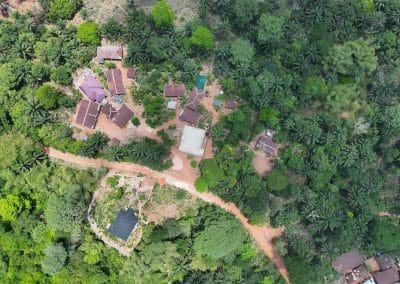
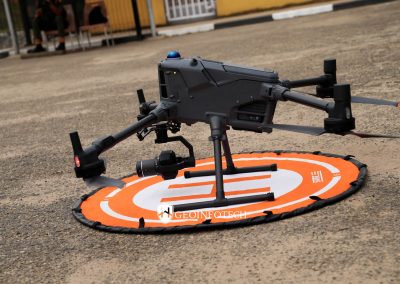
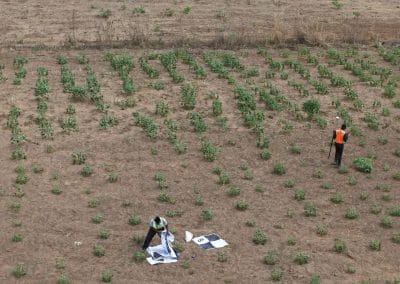
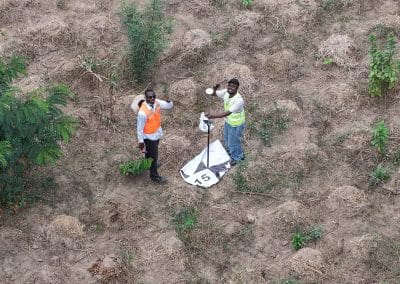
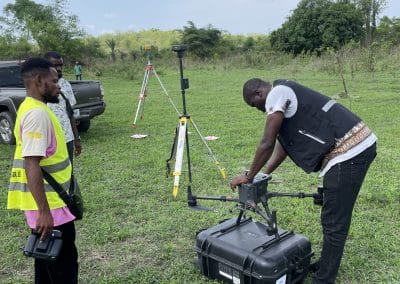
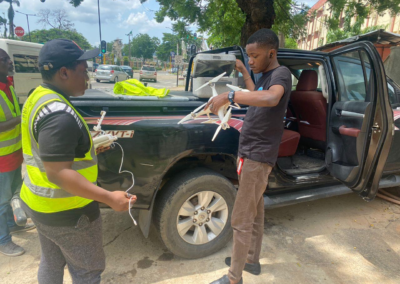
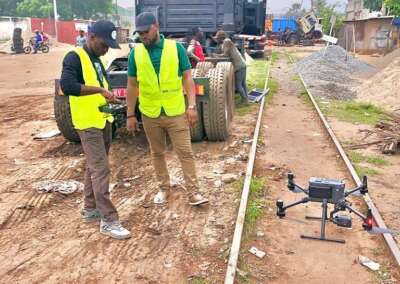
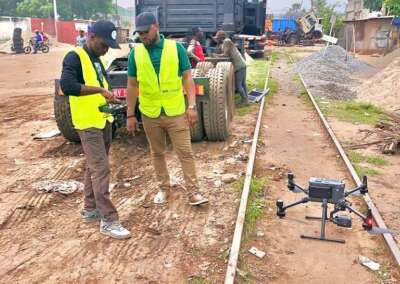
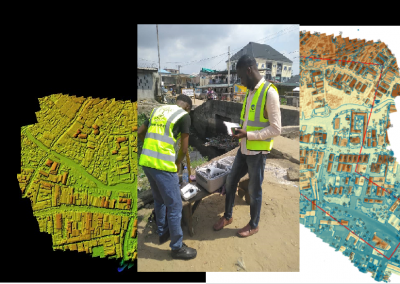
Drone mapping is the process of using Unmanned Aerial Vehicles (UAVs) equipped with cameras or sensors to capture aerial data and generate maps, models, and spatial information. Drones fly at relatively low altitudes and collect:
- Images
- Videos
- LiDAR data
- Thermal data
- Multispectral imagery
The collected data is processed using photogrammetry or GIS software to create:
- Orthomosaics
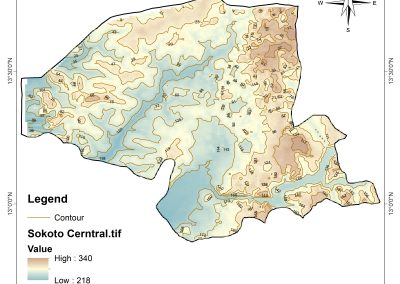
- Digital Elevation Models (DEMs)
- 3D models
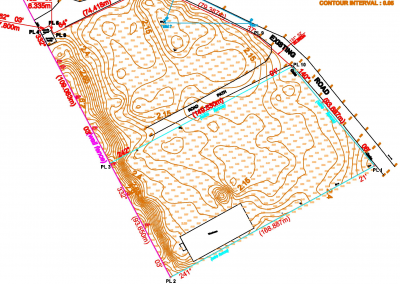
- Contour maps
- Point clouds
What is Satellite Imagery?
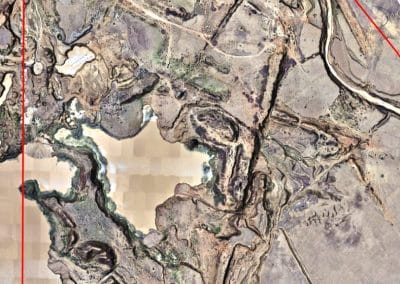
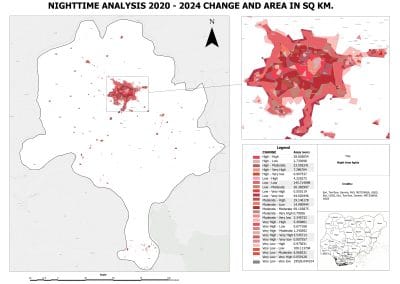
Satellite imagery refers to images of the Earth captured by satellites orbiting in space. Satellites use sensors to detect electromagnetic radiation reflected or emitted from the Earth’s surface. Satellite imagery can include:
- Optical imagery
- Radar imagery
- Thermal imagery
- Multispectral data
- Hyperspectral data
Satellite data is commonly used for large-scale monitoring and analysis.
Basic Difference Between Drone Mapping and Satellite Imagery
The primary difference lies in the platform used for data collection.
| Drone Mapping | Satellite Imagery |
| 1. Captured by drones/UAVs | Captured by satellites in space |
| 2. Low-altitude data collection | High-altitude orbital data collection |
| 3. Very high resolution | Moderate to high resolution |
| 4. Small-area coverage | Large-area coverage |
| 5. User-controlled flights | Controlled by satellite operators |
How Drone Mapping Works
Drone mapping typically involves:
- Flight planning
- Drone deployment
- Image capture
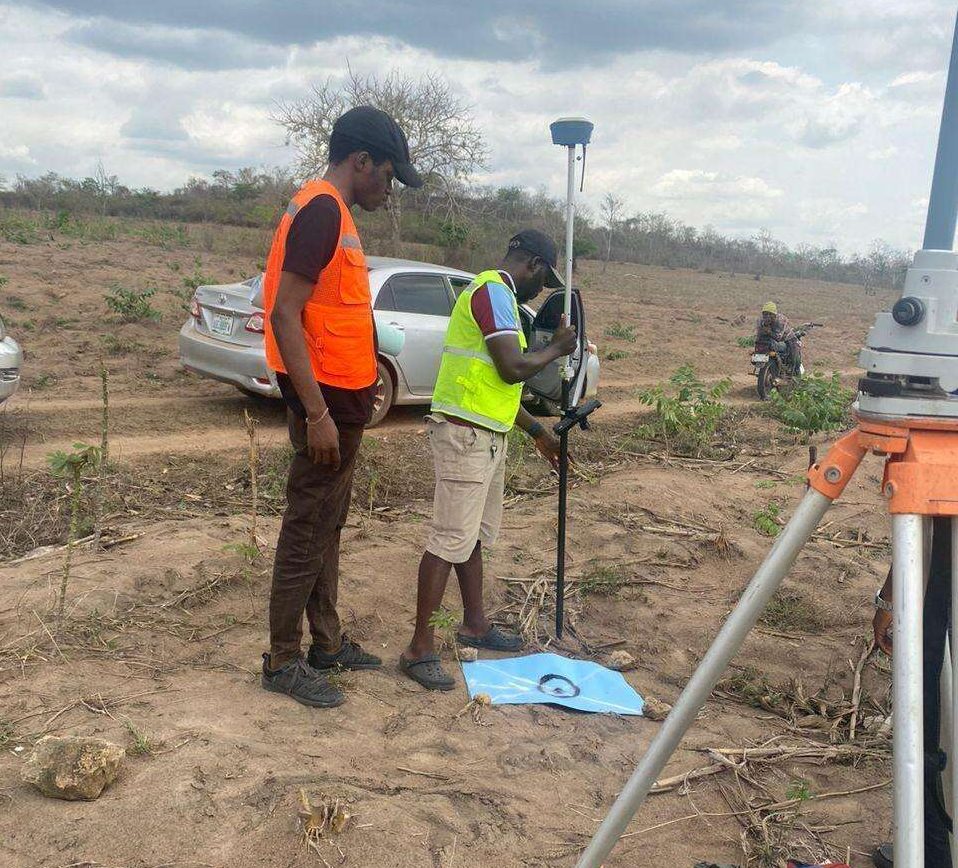
- GPS positioning
- Data processing
- Map generation
The drone follows predefined flight paths and captures overlapping images. Software such as:
- Pix4D
- DroneDeploy
- Agisoft Metashape
- DJI Terra
processes the imagery into accurate spatial outputs.
How Satellite Imagery Works
Satellites orbit the Earth continuously and capture imagery using onboard sensors.
The process includes:
- Sensor detection
- Data transmission
- Image processing
- Distribution to users
Popular satellite programs include:
- Landsat
- Sentinel
- WorldView
- SPOT
- MODIS
Drone Mapping vs Satellite Imagery in Smart Cities
Both technologies are important in smart city systems.
Drone Mapping in Smart Cities
Used for:
- Construction monitoring
- Utility inspections
- Traffic monitoring
- Urban infrastructure mapping
Satellite Imagery in Smart Cities
Used for:
- Urban expansion analysis
- Environmental monitoring
- Regional planning
- Heat island studies
Combining Drone Mapping and Satellite Imagery
In many projects, the best solution is using both technologies together. Example workflow:
- Use satellite imagery for large-area analysis
- Use drones for detailed site mapping
This combination improves:
- Efficiency
- Accuracy
- Cost-effectiveness