
- Introduction
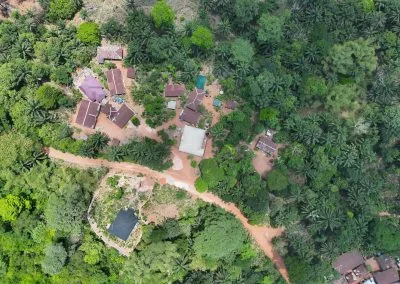
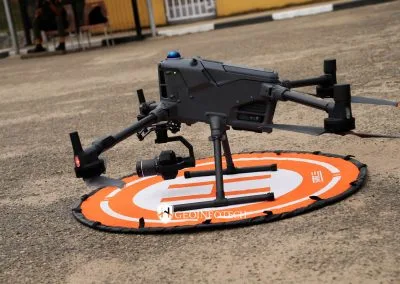
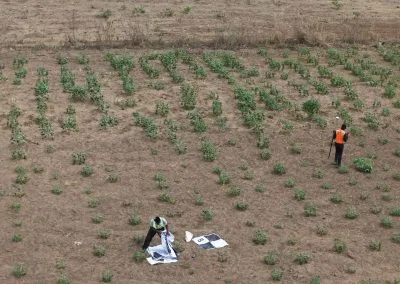
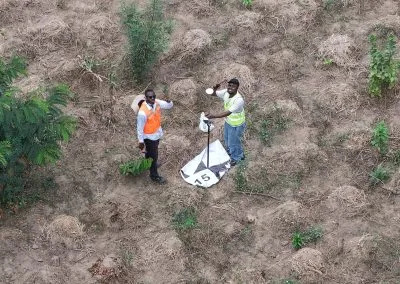
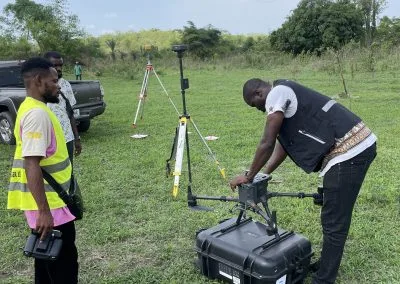
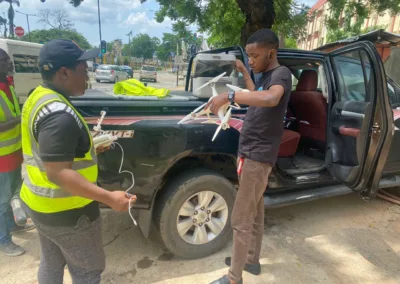
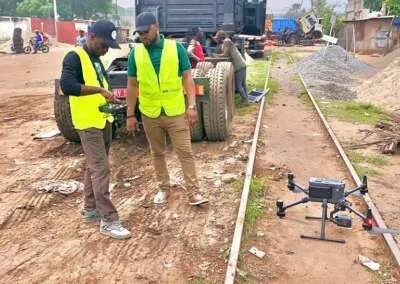
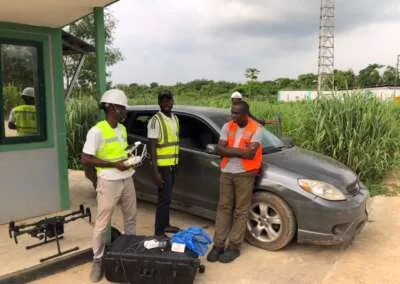
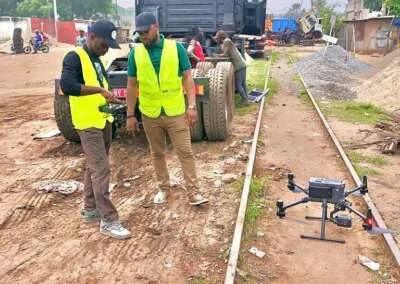
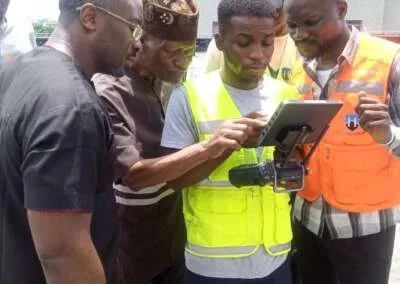
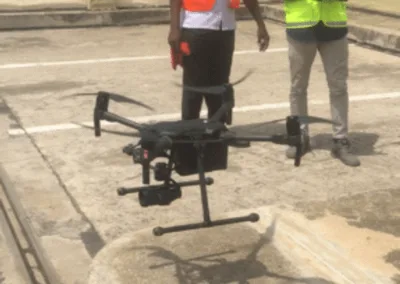
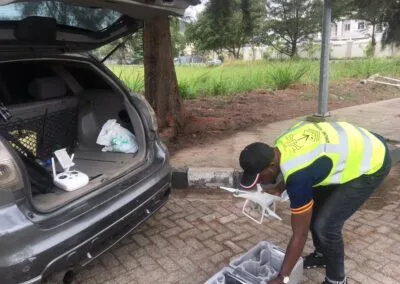
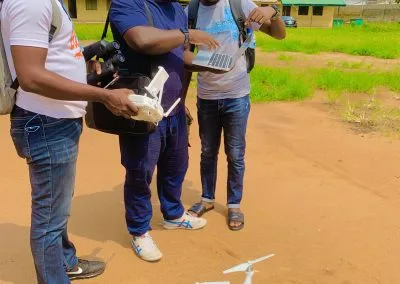
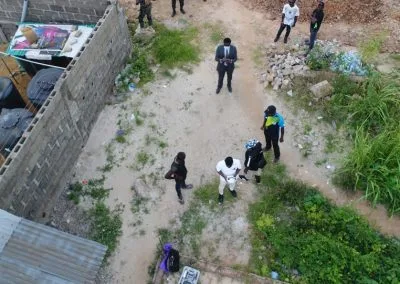
Drone-powered agriculture refers to the application of Unmanned Aerial Vehicles (UAVs) in farming to enhance productivity, efficiency, and sustainability through data-driven decision-making. These drones are equipped with advanced technologies such as high-resolution cameras, multispectral sensors, thermal imaging systems, GPS, artificial intelligence (AI), and Geographic Information Systems (GIS). Drones collect high-resolution, real-time data that helps farmers make informed decisions regarding irrigation, fertilization, pest control, and yield forecasting. In modern agriculture, drones have become essential tools for improving efficiency, sustainability, and profitability by replacing labor-intensive tasks with automated, data-driven solutions
In traditional agriculture, farmers rely heavily on manual field inspections, which are time-consuming, labor-intensive, and often inaccurate. Drone technology transforms this approach by enabling real-time monitoring, precision management, and optimized resource utilization, thereby supporting modern precision agriculture practices. The concept of drone-powered agriculture is best understood through the Monitor–Manage–Maximize framework, which represents the three major functional roles of drones in farming.
- Monitor: Intelligent Field Observation
Monitoring is the foundation of drone-powered agriculture because effective farm management depends on accurate, timely, and spatially detailed information. A drone can be used to monitor crop health, soil and moisture assessment, field mapping and land surveying, and disaster and damage monitoring.
2.1 Crop Health Monitoring
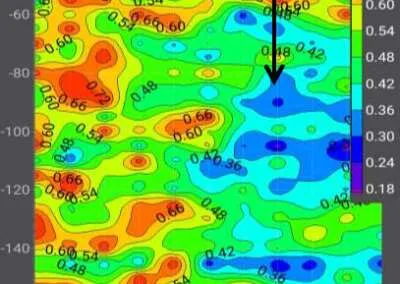
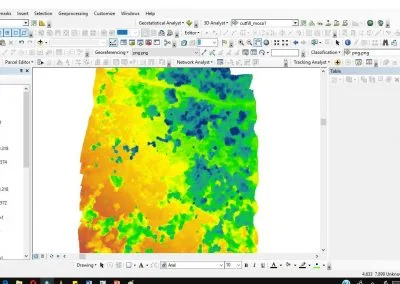
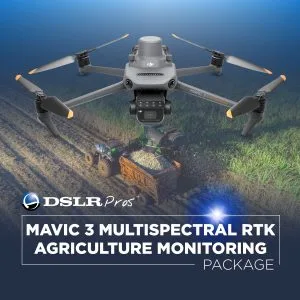
Drones equipped with multispectral and hyperspectral cameras can detect crop health conditions that are invisible to the human eye. These sensors measure light reflectance from plants to generate vegetation indices such as NDVI (Normalized Difference Vegetation Index)—the key contributions of drones.
- Detects early signs of plant stress, nutrient deficiencies, diseases, and pest infestations.
- Identifies uneven crop growth patterns across large fields.
- Enables farmers to take early corrective action before problems escalate.
This early detection significantly reduces crop losses and improves farm productivity.
2.2 Soil and Moisture Assessment
Thermal imaging sensors mounted on drones help identify variations in soil moisture levels across farmland. The importance of drone application in this aspect:
- Helps farmers determine which areas require irrigation.
- Prevents both under-watering and over-watering.
- Supports efficient water resource management.
This is particularly important in regions facing water scarcity and climate variability.
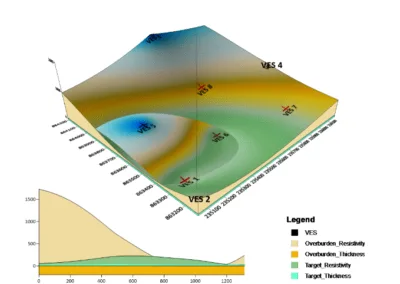
2.3 Field Mapping and Land Surveying
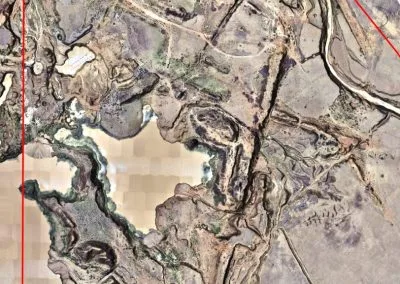
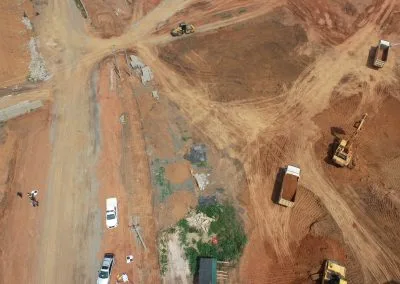
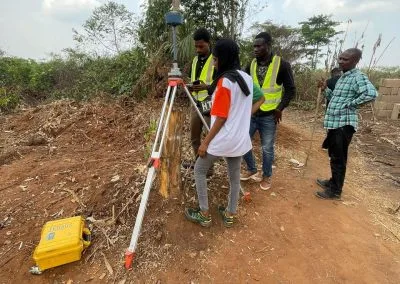
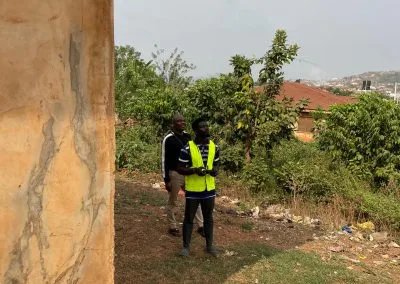
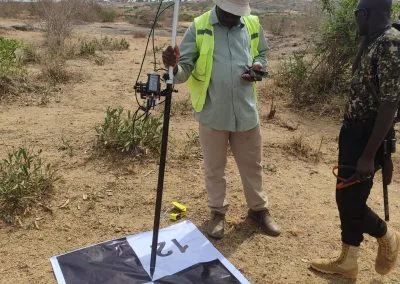
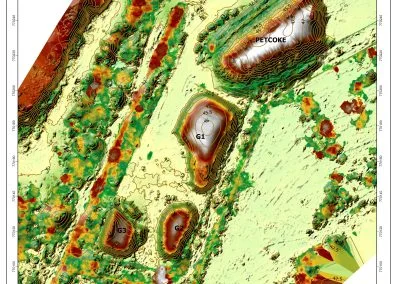
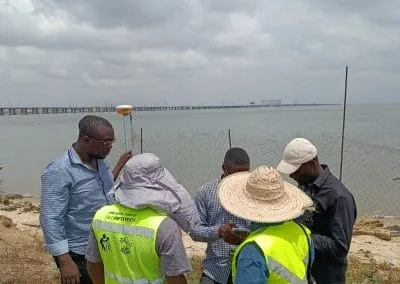
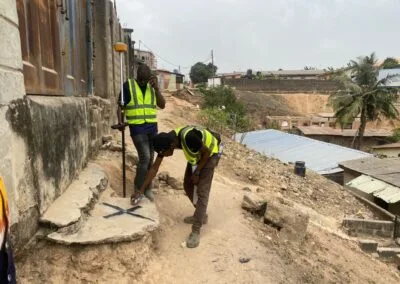
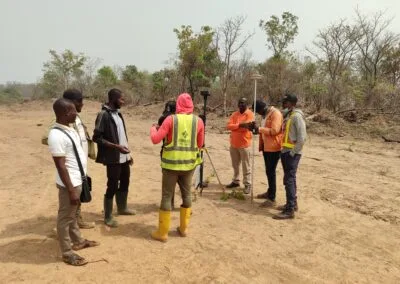
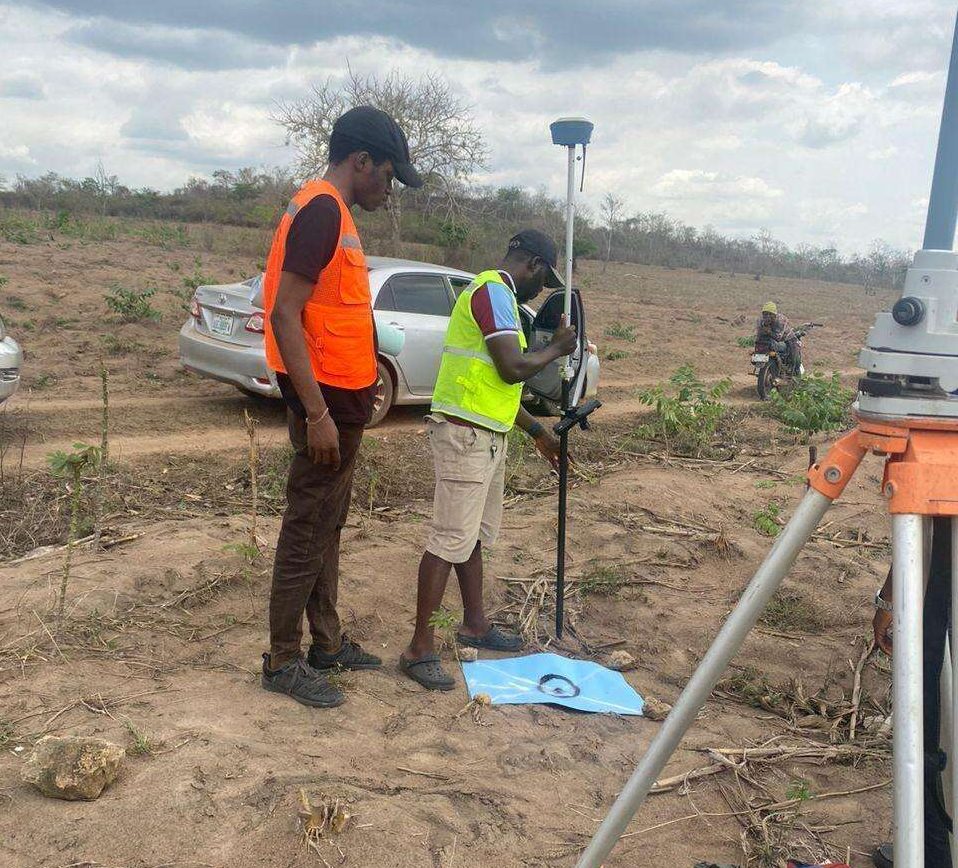
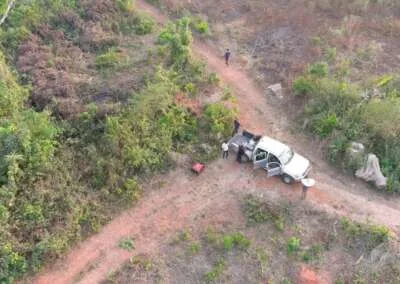
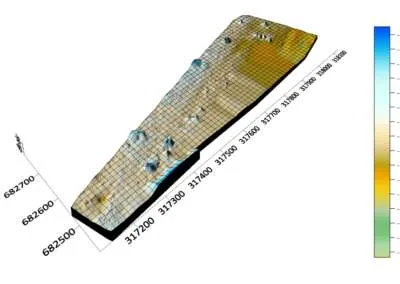
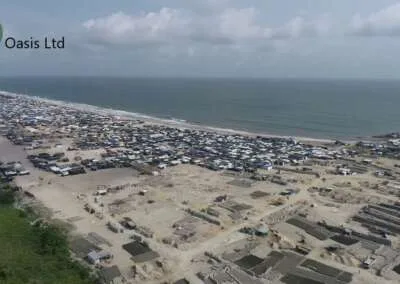
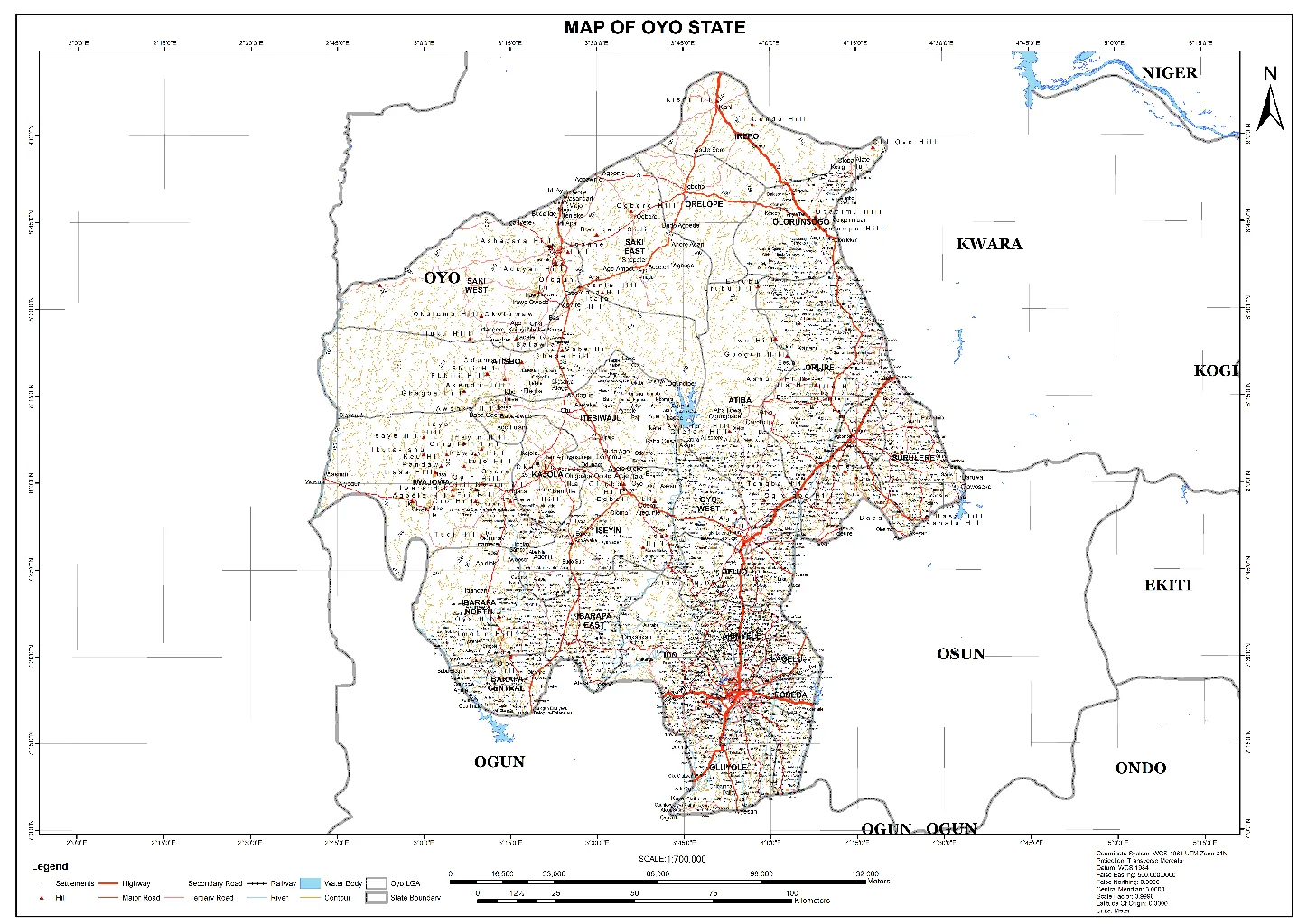
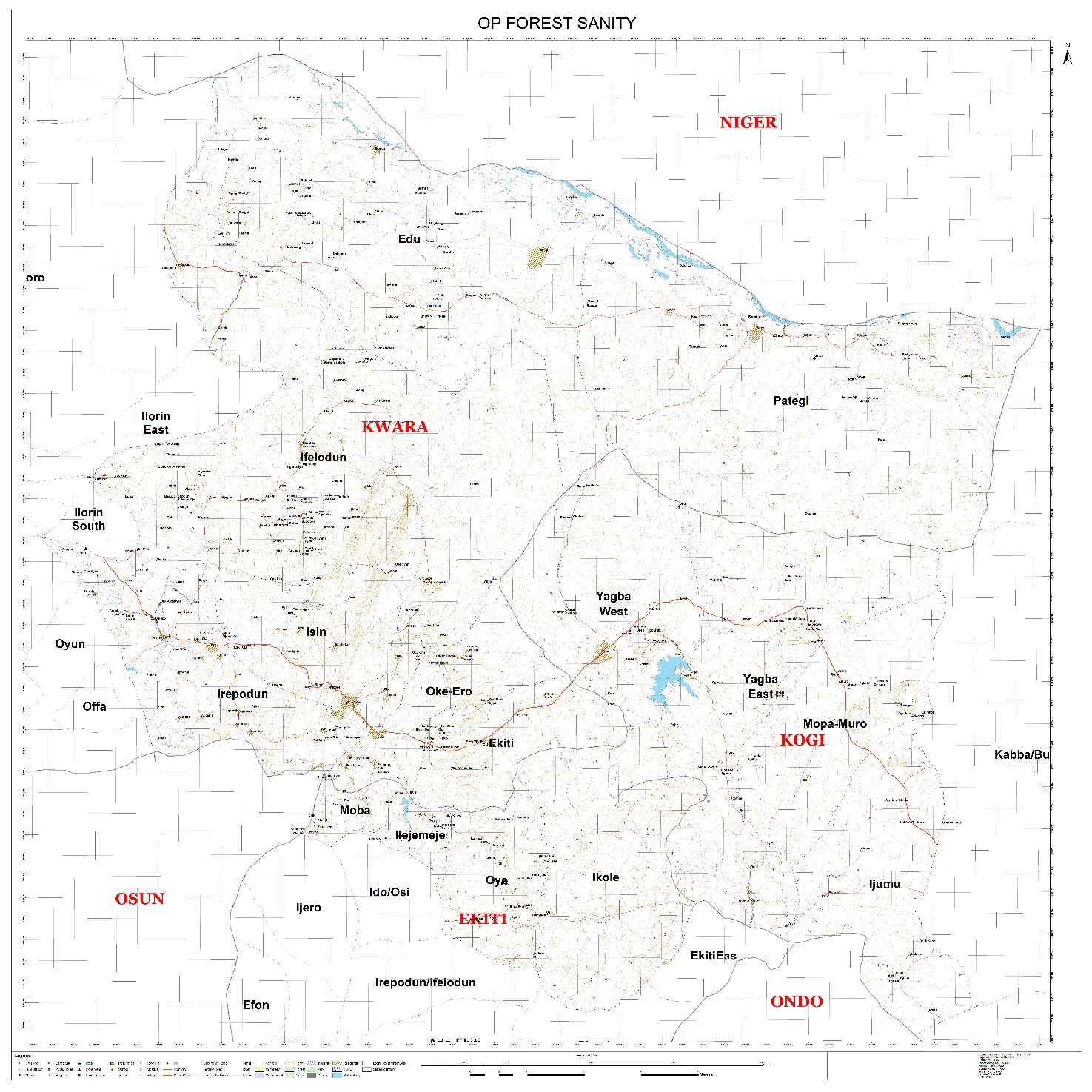
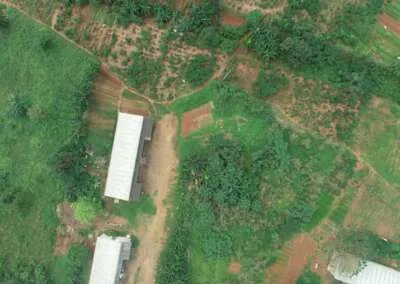
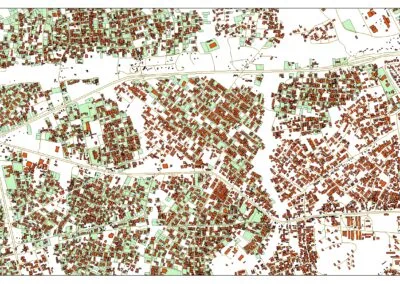
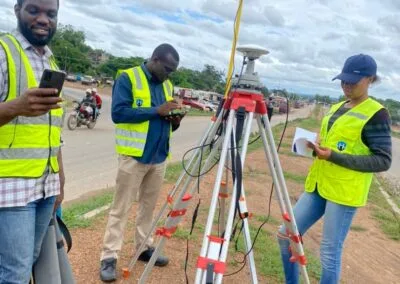
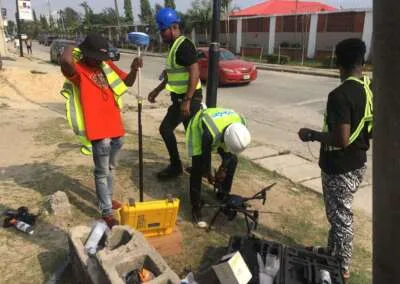
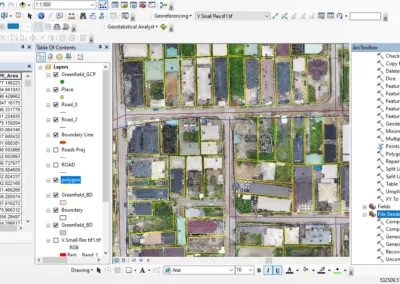
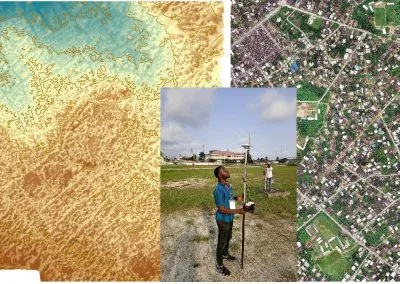
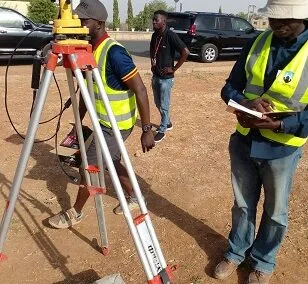
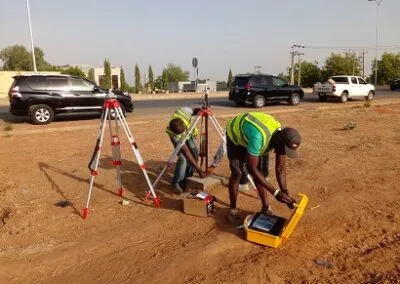
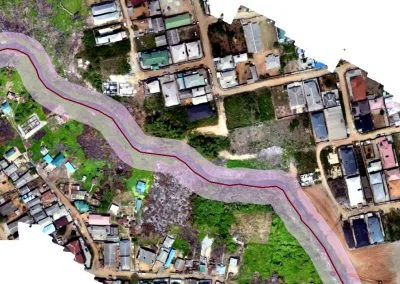
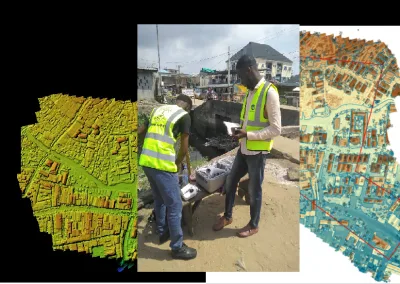
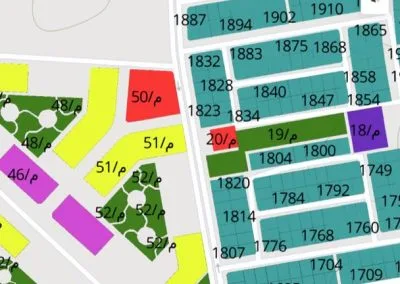
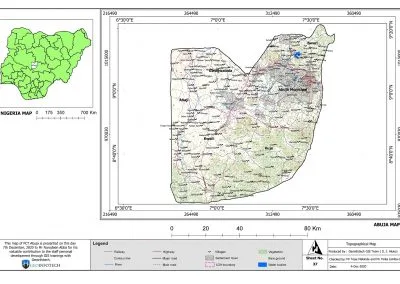
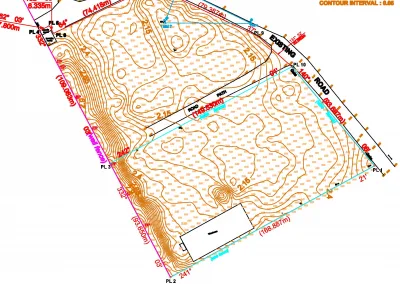
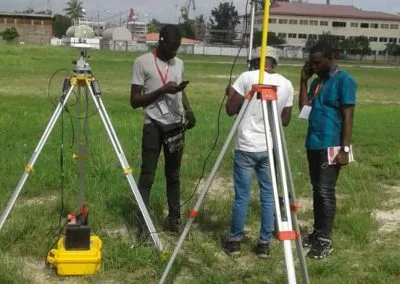
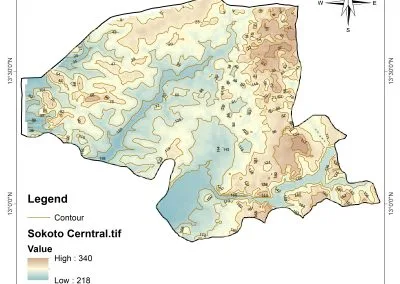
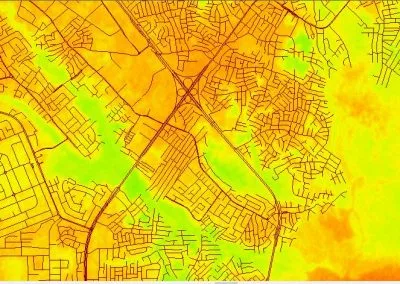
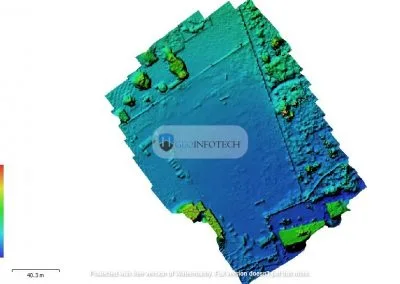
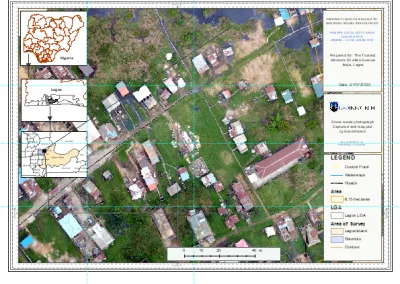
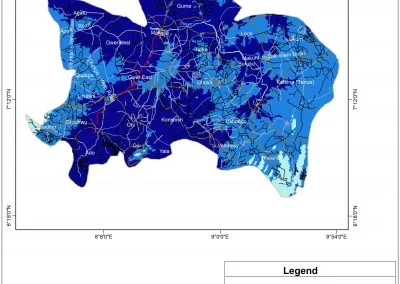
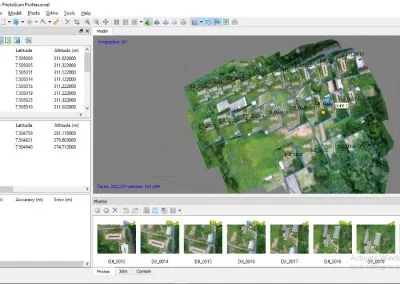
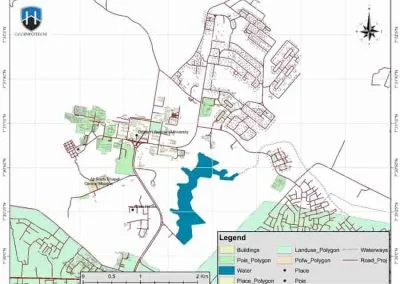
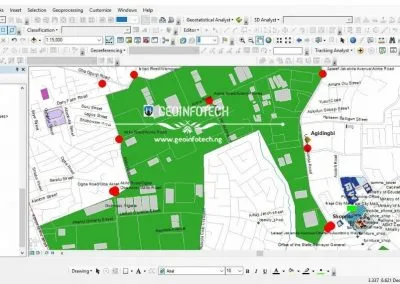
Drones generate high-resolution aerial maps and digital terrain models using photogrammetry techniques. The application of drones in field mapping and land surveying includes creating precise farm boundary maps, identifying elevation changes and drainage patterns, and supporting crop planning and land preparation. Drone mapping is faster, cheaper, and more accurate than traditional land surveying methods.
2.4 Disaster and Damage Monitoring
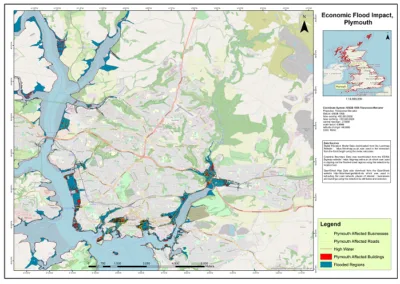
Drones play a crucial role in assessing crop damage caused by natural disasters such as floods, droughts, storms, or pest outbreaks. The benefits of drones in disaster and damage monitoring
- Rapid assessment of affected areas,
- Supports insurance claims and disaster management,
- Helps farmers implement timely recovery strategies.
Drone monitoring enhances situational awareness, reduces uncertainty, and enables precision decision-making in agriculture.
- Manage: Precision Farm Operations
Once monitoring data is obtained, drones assist farmers in managing agricultural operations efficiently through targeted interventions.
3.1 Precision Spraying and Input Application
Agricultural drones can spray fertilizers, herbicides, pesticides, and fungicides with high accuracy.
The advantages of drones in precision spraying and input application include applying chemicals only where needed, reducing chemical wastage and environmental pollution, and improving worker safety by minimizing exposure to toxic substances. Precision spraying can reduce agrochemical usage by up to 30–50%.
- Conclusion
Drone-powered agriculture represents a transformative advancement in modern farming systems. Through the Monitor–Manage–Maximize framework, drones enable intelligent field observation, precision resource management, and enhanced productivity. As technology continues to evolve and become more affordable, drones are expected to play a central role in achieving sustainable, efficient, and climate-resilient agricultural systems worldwide.