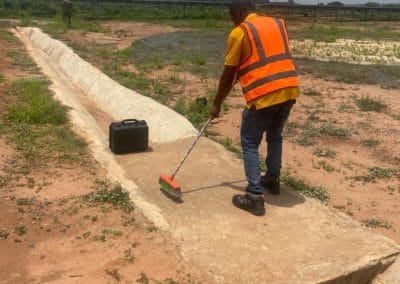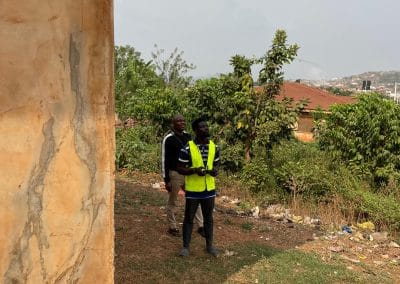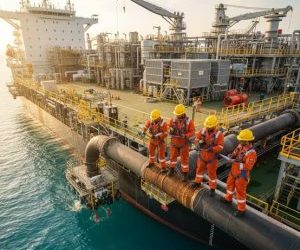

 Pipelines are essential to oil and gas production, processing and distribution across Port Harcourt and the wider Niger Delta. Over time, corrosion, material deterioration and operating conditions can affect pipeline integrity. Regular inspection helps operators assess asset conditions, plan maintenance and reduce the risk of unexpected failures.
Pipeline inspection services in Port Harcourt can combine LiDAR mapping, X-ray radiography and Long Range Ultrasonic Testing (LRUT) to address different inspection requirements.
LiDAR for Pipeline Mapping and Monitoring
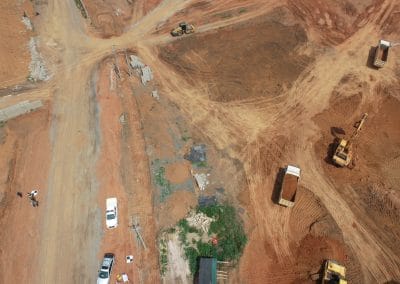
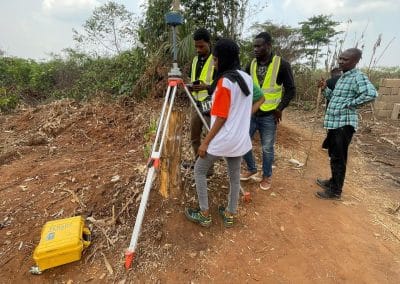
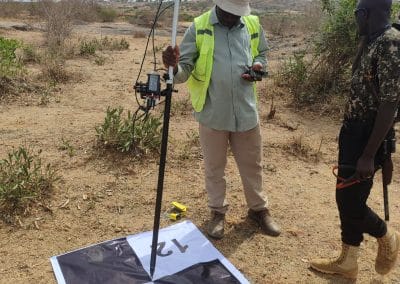
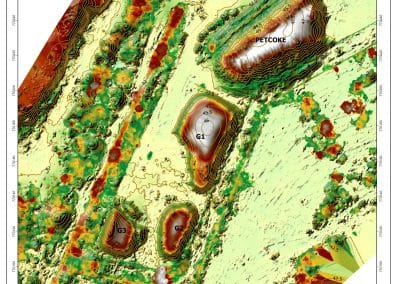
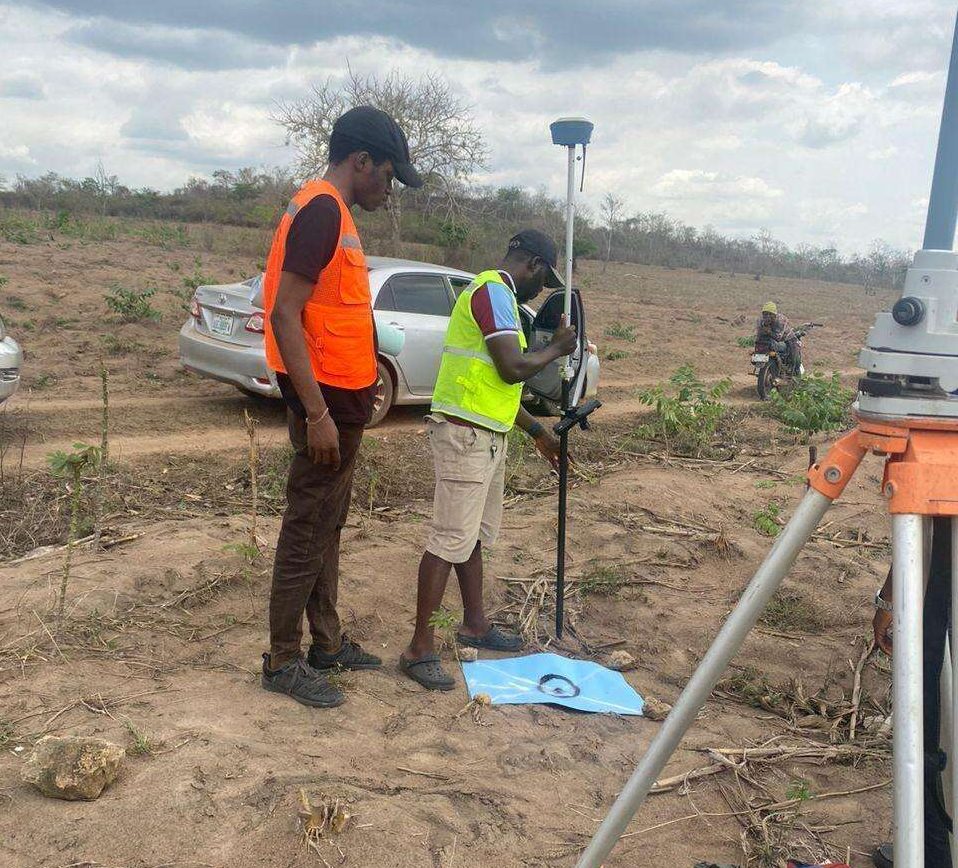
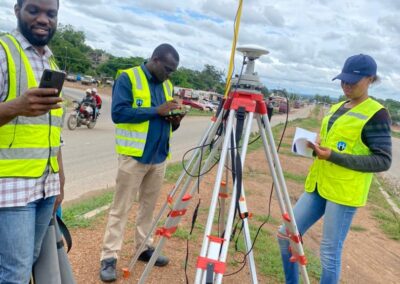
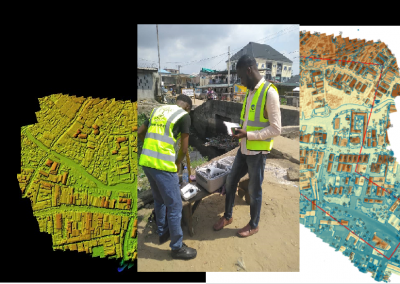
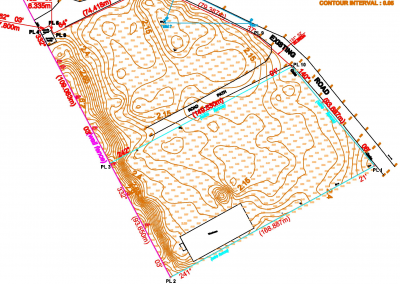
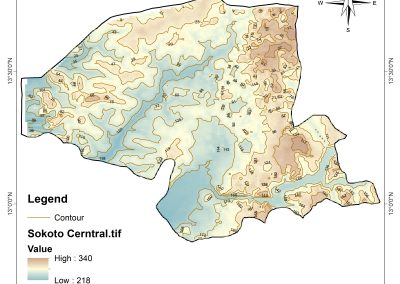
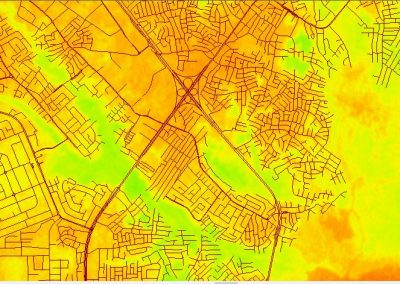
LiDAR uses laser measurements to capture detailed information about the shape and position of objects and surrounding terrain. For pipeline projects, it can support corridor mapping, elevation analysis, infrastructure documentation and the identification of surface changes.
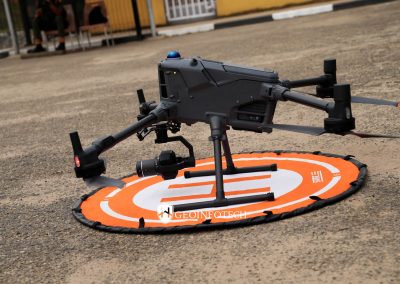
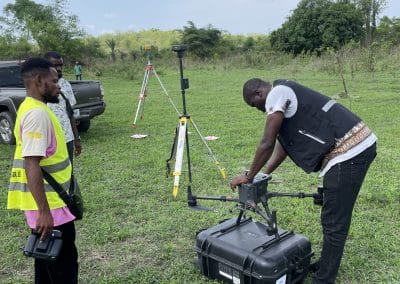
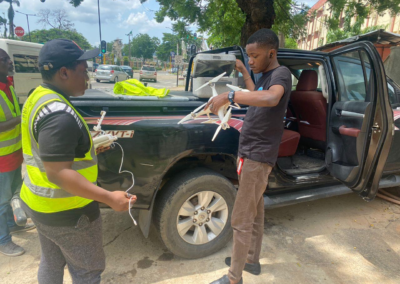
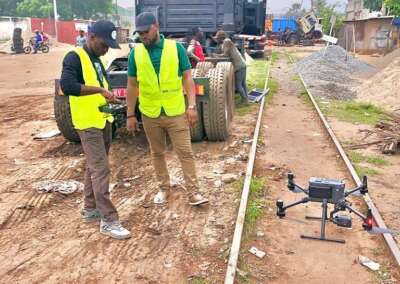
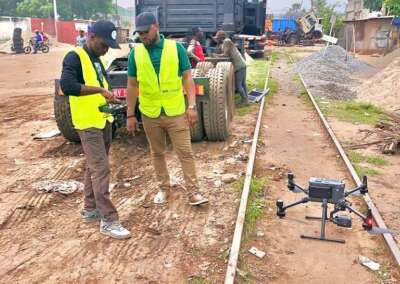
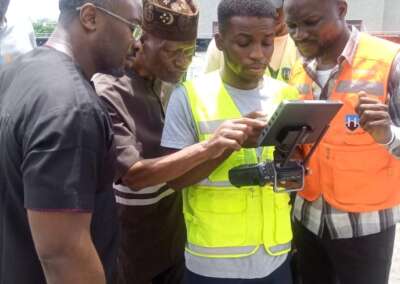
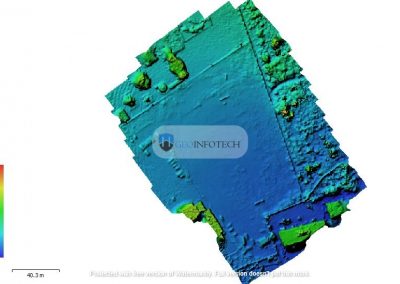
Drone-mounted LiDAR can collect spatial data across extensive or difficult-to-access areas. The resulting datasets can help operators understand pipeline surroundings and support maintenance planning.
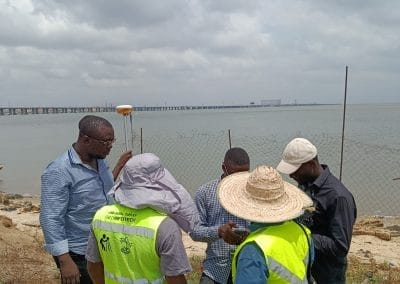
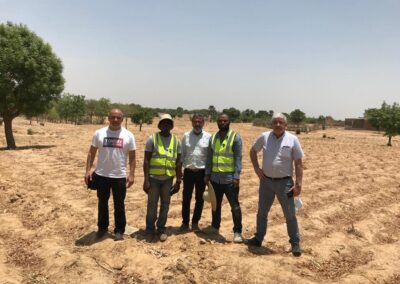
Geoinfotech provides drone services for oil and gas infrastructure, incorporating UAV technology, LiDAR, GIS and photogrammetry for mapping, inspection and monitoring applications.
LiDAR primarily supports geometric and surface assessment. It does not independently confirm internal corrosion or defects within a pipeline wall.
X-Ray Radiography for Pipeline Inspection
Industrial X-ray radiography is a non-destructive testing (NDT) method used to examine suitable pipeline welds and components. It produces images that qualified inspectors can assess for relevant internal discontinuities, depending on the material, component geometry and testing procedure.
Radiographic testing can support weld quality assessment and pipeline integrity programmes. Its application requires appropriate equipment, qualified personnel and strict radiation safety controls.
The inspection method should be selected according to the pipeline specification, defect concerns and applicable industry standards.
LRUT for Long-Range Pipeline Screening
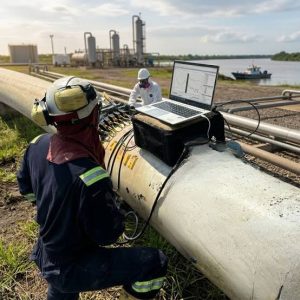
Long Range Ultrasonic Testing, also known as guided wave testing, helps screen extended lengths of suitable pipework from a limited number of inspection positions.
The technique can identify indications associated with corrosion and material loss, including in some areas that are difficult to access. However, LRUT is generally a screening method. Indications often require follow-up examination using a more detailed inspection technique.
Learn more about LRUT and guided wave pipeline inspection and its role in pipeline integrity assessment.
Combining Inspection Technologies
No single method addresses every pipeline inspection requirement. LiDAR provides spatial and geometric information, X-ray radiography examines suitable components for internal discontinuities, and LRUT screens pipework for indications that may require further investigation.
A coordinated inspection programme can therefore follow this process:
Map the Asset → Select the Inspection Method → Collect Data → Evaluate Findings → Plan Maintenance
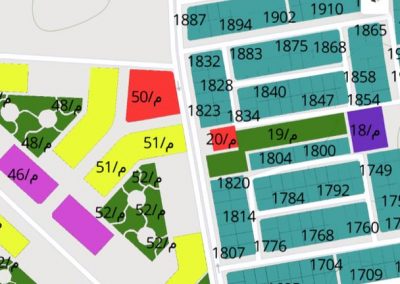
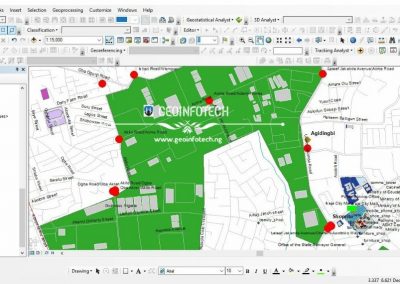
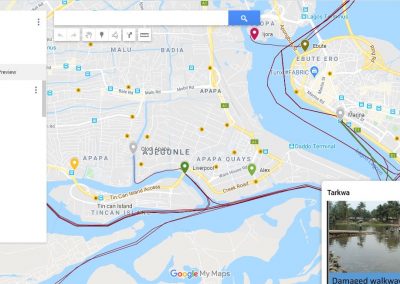
Geoinfotech’s GIS services in Nigeria can support pipeline mapping, spatial data management and the geographic visualization of inspection information.
Pipeline Inspection Services in Port Harcourt
Oil and gas operators need reliable inspection data to support asset integrity, maintenance planning and operational decisions. The appropriate combination of LiDAR, radiography and ultrasonic testing depends on the asset and inspection objectives.
Geoinfotech supports oil and gas infrastructure projects through drone technology, LiDAR, mapping and geospatial analysis. Specialist X-ray and LRUT examinations should be performed by suitably qualified NDT personnel.
Looking for pipeline inspection services in Port Harcourt? Contact Geoinfotech to discuss your pipeline mapping, aerial inspection and geospatial data requirements.