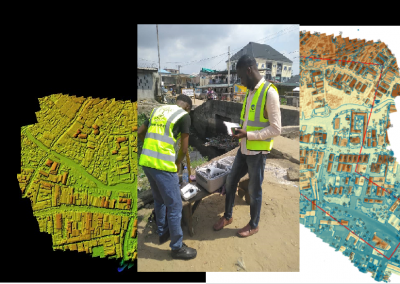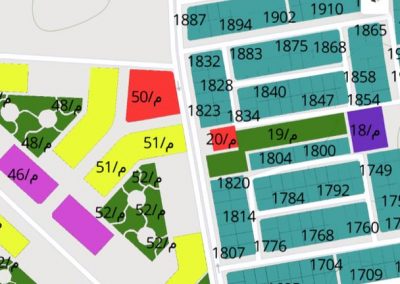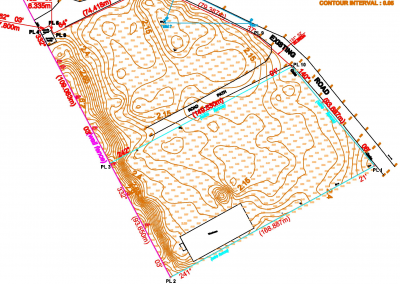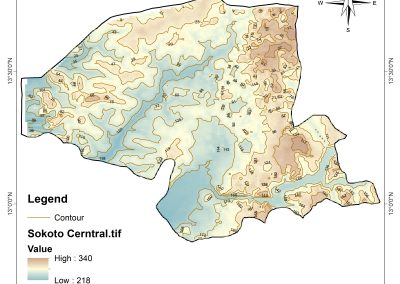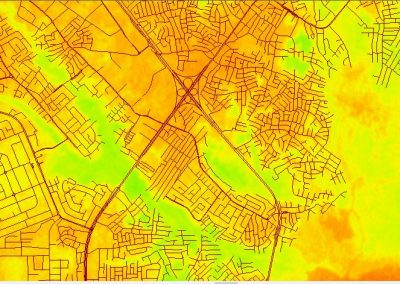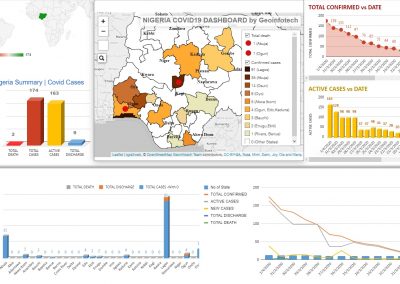

REMOTE SENSING TECHNOLOGY – An Overview
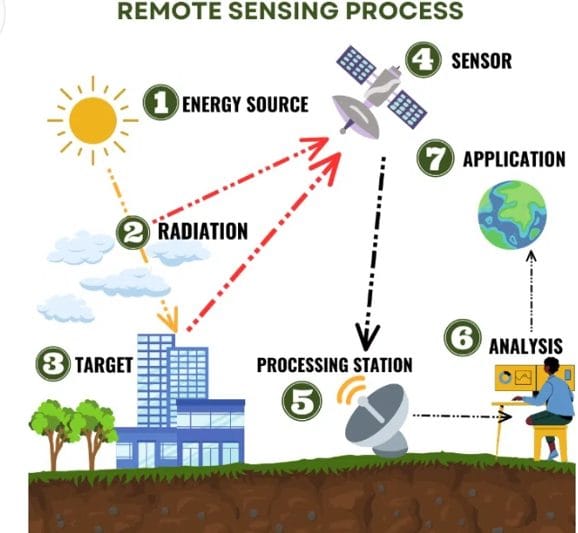
1. Introduction To Remote Sensing
Remote sensing is the science and art of obtaining information about an object, area, or phenomenon without physically touching it. Instead of direct contact, information is gathered using sensors mounted on satellites, aircraft, drones, ships, or other platforms. The National Oceanic and Atmospheric Administration defines remote sensing as the process of obtaining information about objects or areas from a distance, typically using satellites or aircraft. Similarly, the United States Geological Survey describes remote sensing as the detection and monitoring of physical characteristics of an area through the measurement of reflected and emitted radiation.
Remote sensing technology allows scientists and professionals to:
- Monitor environmental changes
- Analyze land use and land cover
- Detect natural disasters
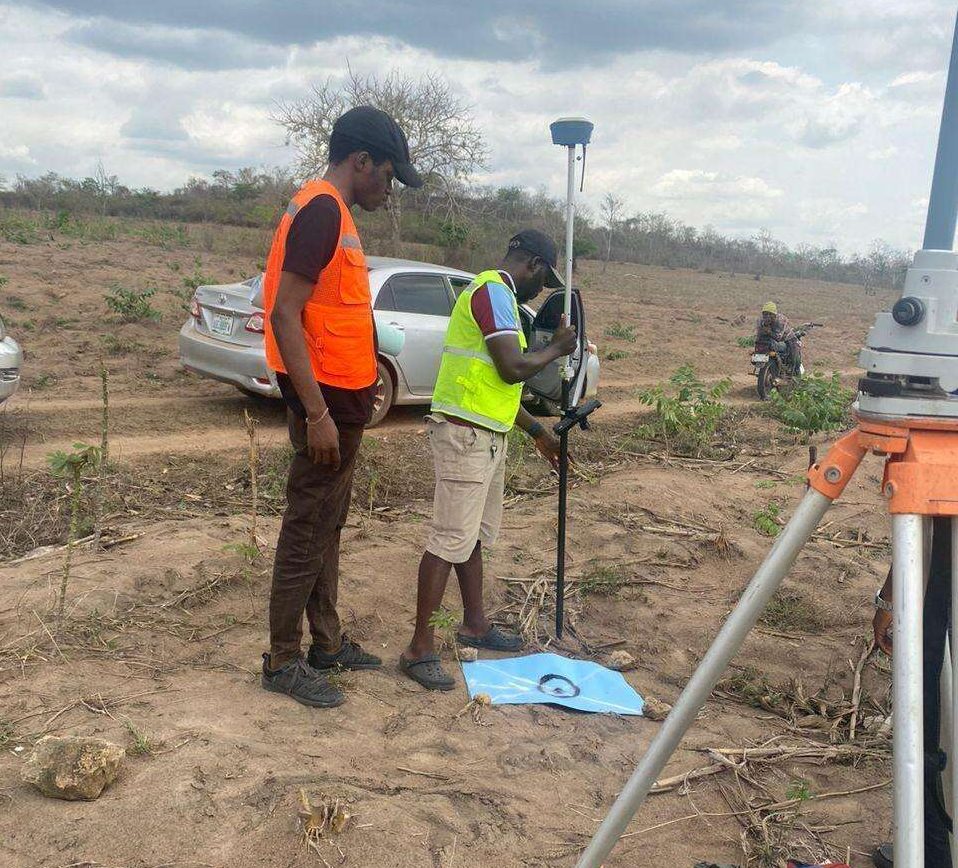
- Conduct mapping and surveying
- Support urban planning and agriculture
Remote sensing is not limited to satellite imagery alone. It includes all methods of collecting information from a distance using recording devices and sensors.
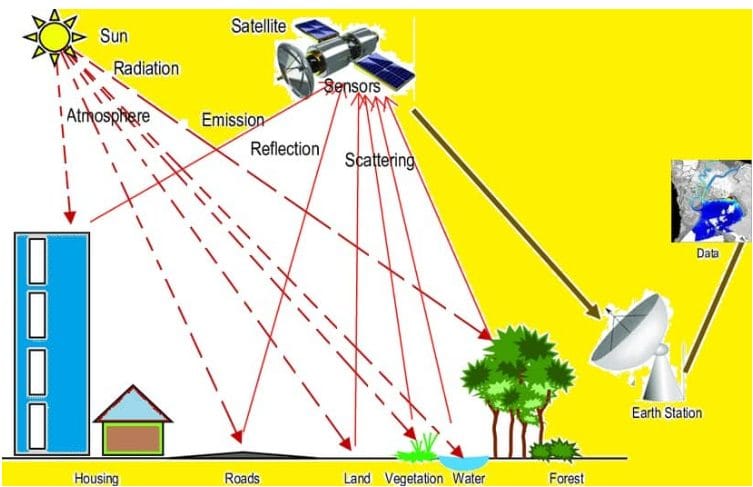
Figure 1: Remote sensing (Source: https://gisrsstudy.com/remote-sensing/)
Examples of Remote Sensing Applications
Remote sensing systems are used in many industries and environments:
- Satellite and aerial cameras capture images of the Earth’s surface for mapping and environmental monitoring
- Sonar systems create images of the ocean floor without underwater exploration
- Thermal sensors monitor ocean temperature variations
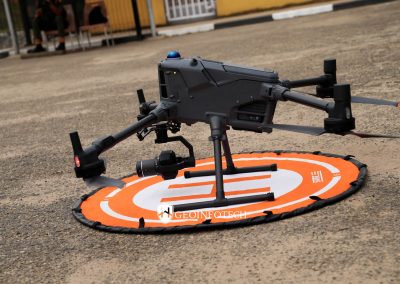
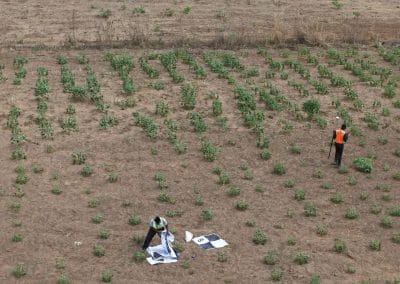
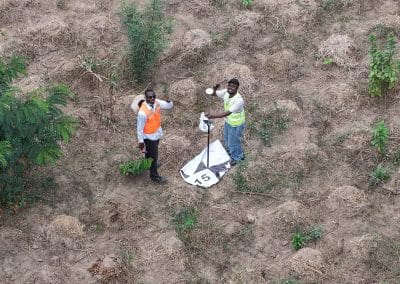
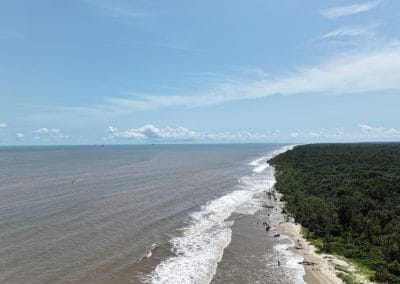
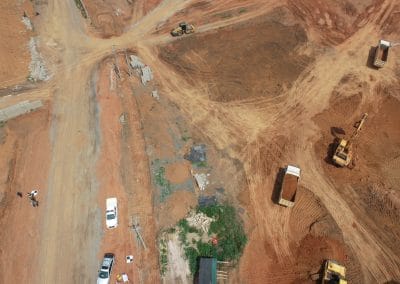
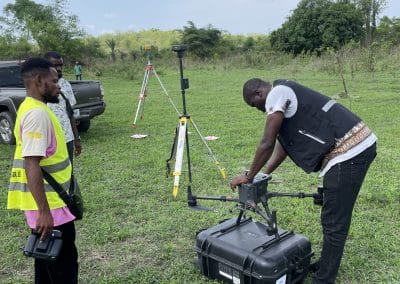
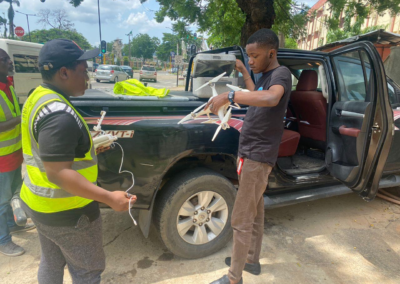
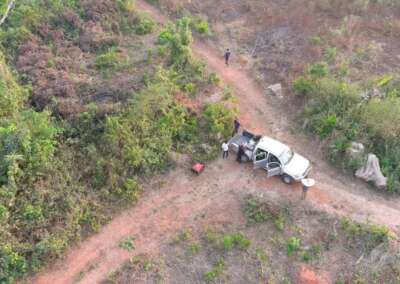
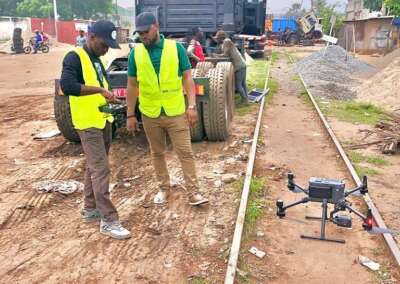
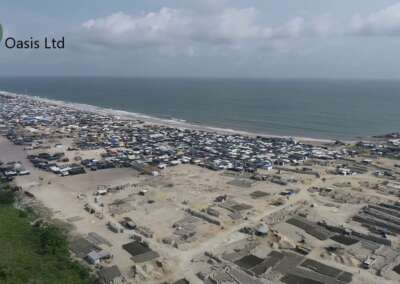
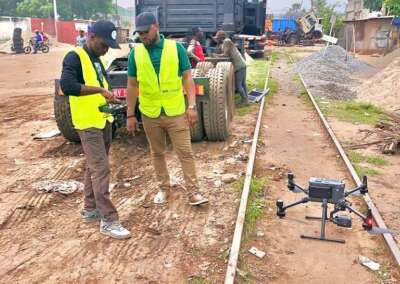
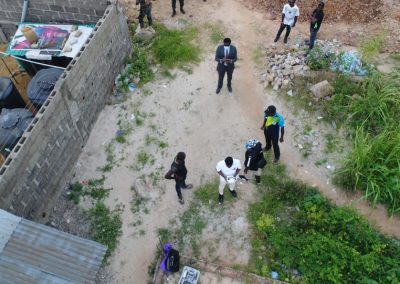
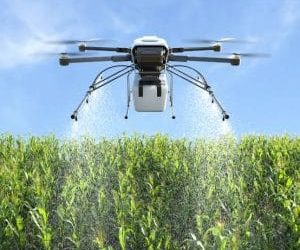
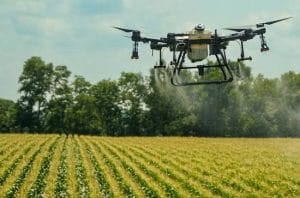
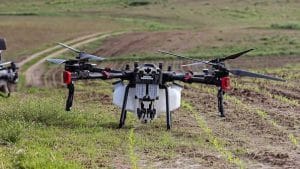
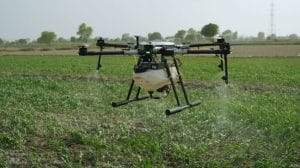
- Drones collect high-resolution imagery for surveying and construction projects
Sensors gather data by detecting electromagnetic energy reflected or emitted from the Earth’s surface.
2. History of Remote Sensing
An ordinary camera is a simple remote sensing system. A camera was used at the end of the 19th century, for e.g. military reconnaissance, having the obvious advantage over simple visual inspection in the fact that it produced an image that could be studied and reproduced in several copies. Since the late 1920s, aerial photography has been an important tool in all kinds of mapping and planning work. During World War II, two new remote sensing methods were developed, sonar and radar. After World War II, several systems were developed for different types of electromagnetic radiation. Remote sensing systems based on electronic radiation detectors are not obviously image-generating systems; that is, the result is not an image, but rather a set of numbers stored in a computer-compatible format. The stored data can often be transformed into an image by a computer using dedicated software (Martensson, n.d). Remote Sensing is a multidisciplinary field that involves the acquisition, processing, and interpretation of data collected from a distance, typically using satellite or airborne sensors. It has become an essential tool for studying the Earth’s environment, monitoring natural resources, and supporting decision-making in various sectors such as agriculture, urban planning, disaster management, and public health (Jensen, 2015).
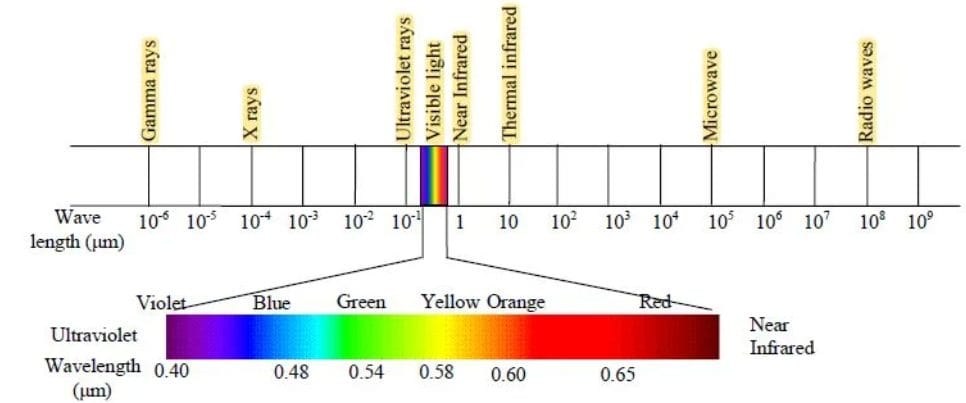
Figure 2a: Wavelength/ Spectrum of Electromagnetic Radiation.
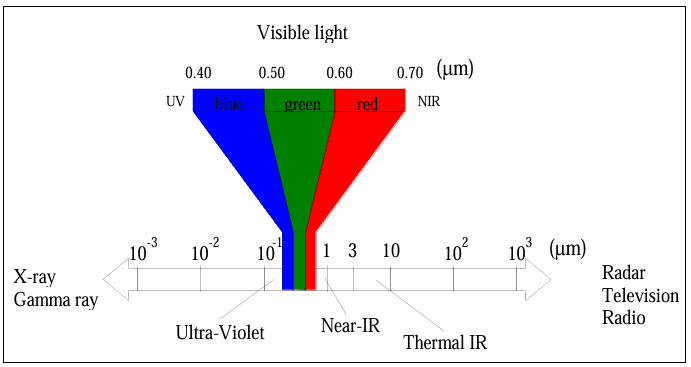
Figure 2b: Spectrum of Electromagnetic Radiation (Source: Martensson, n.d)
3. Principles of Remote Sensing
There are three major principles of remote sensing, which are: Electromagnetic Radiation (EMR), Interaction of EMR with Matter, and spectral signature.
3.1 Electromagnetic Radiation (EMR)
Remote sensing is fundamentally based on the concept of electromagnetic radiation or electromagnetic energy. The electromagnetic radiation is the energy that travels in the form of waves at the speed of light and is characterized by its wavelength and frequency (Figure 2). In other words, electromagnetic radiation is the energy propagated in the form of an advancing interaction between electric and magnetic fields. It travels at the velocity of light. Visible light, ultraviolet, and infrared rays, heat, radio waves, and X-rays are all different forms of electromagnetic energy. The primary source of EMR in passive remote sensing is the Sun, while active remote sensing systems generate their own energy (e.g., radar and LiDAR).
3.2 Interaction of EMR with Matter
When electromagnetic radiation reaches the Earth’s surface, it interacts with materials in three main ways:
- Reflection: Energy is bounced back from the surface
- Absorption: Energy is absorbed and converted into other forms
- Transmission: Energy passes through the material
The proportion of these interactions varies depending on the physical and chemical properties of the material, forming the basis for object identification.
3.3 Spectral Signature
A spectral signature is the unique pattern of reflectance or emittance of an object across different wavelengths. For example:
- Vegetation reflects strongly in the near-infrared region
- Water absorbs most radiation and appears dark
- Bare soil exhibits moderate reflectance
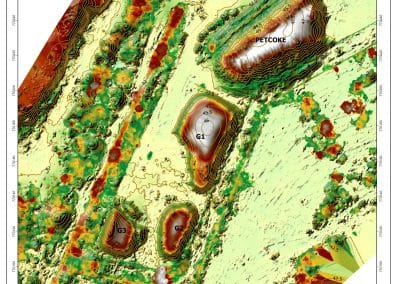
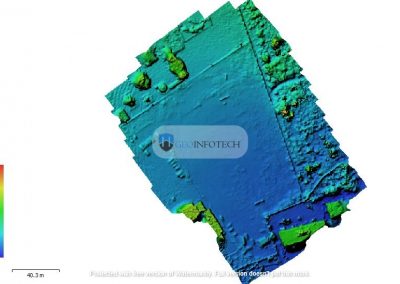
These unique signatures allow analysts to distinguish between different surface features (Lillesand et al., 2015). Thus, Figures 3a and 4b show a remote sensing image: a Lidar (Light Detection and Ranging) image created with data collected by NOAA’s National Geodetic Survey.
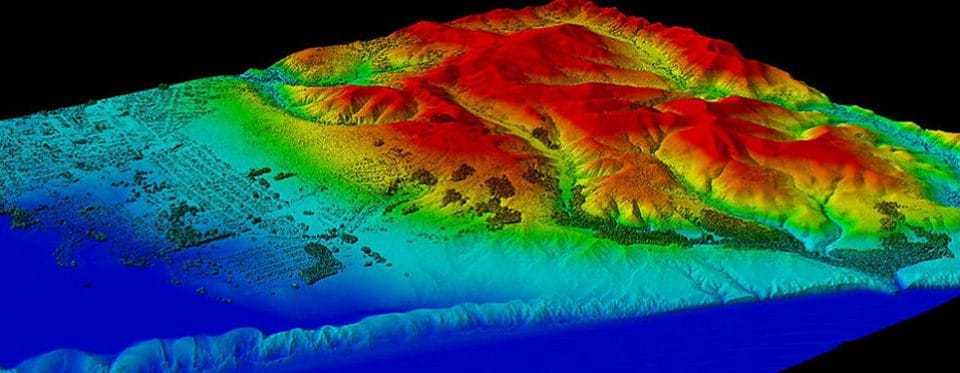
Figure 3a: Lidar Image Created with Data collected by NOAA’s National Geodetic Survey.
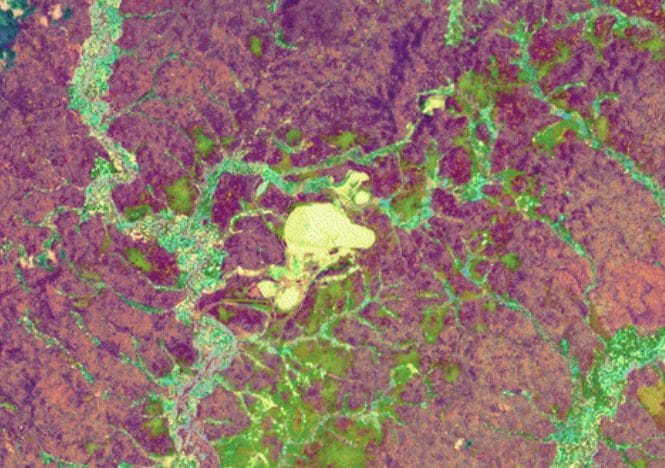
Figure 3b: Remote Sensing Image
Importance of Remote Sensing in Nigeria
Remote sensing is becoming increasingly important in Nigeria due to growing demand for:
- Urban planning
- Agricultural monitoring
- Flood risk analysis
- Environmental protection
- Infrastructure development
Government agencies, universities, NGOs, and private geospatial firms now rely heavily on:
- Satellite imagery
- Drone mapping
- GIS analysis
- Geospatial intelligence systems
FAQs
What is remote sensing?
Remote sensing is the process of collecting information about objects or areas from a distance using sensors mounted on satellites, aircraft, drones, or other platforms.
What are the main principles of remote sensing?
The three major principles are electromagnetic radiation, interaction of EMR with matter, and spectral signatures.
What is a spectral signature?
A spectral signature is the unique reflectance pattern of an object across different wavelengths of electromagnetic radiation.
What is the difference between active and passive remote sensing?
Passive remote sensing uses natural energy sources like sunlight, while active remote sensing systems generate their own energy.
What are the applications of remote sensing?
Applications include agriculture, environmental monitoring, mapping, surveying, disaster management, urban planning, and infrastructure inspection.
REFERENCES
Martensson U. (n.d). Introduction to Remote Sensing and Geographical Information Systems.
U.S. Geological Survey (USGS). What is remote sensing, and what is it used for?. USGS, U.S. Department of the Interior. https://www.usgs.gov/faqs/what-remote-sensing-and-what-it-used
Lillesand, T., Kiefer, R. W., & Chipman, J. (2015). Remote Sensing and Image Interpretation. Wiley.
Richards, J. A. (2013). Remote Sensing Digital Image Analysis. Springer.