
Efficient transportation is the heartbeat of the modern Nigerian economy. However, logistics operators face a unique “trinity of trouble”: traffic congestion in Lagos, high fuel costs, and vehicle security risks.
In 2026, Geographic Information Systems (GIS) integrated with Real-Time GPS tracking are no longer just “nice-to-have” features—they are survival tools. This guide explores how Geoinfotech helps firms transform raw location data into a competitive advantage.
1. Beyond Dots on a Map: What is GIS-Based Tracking?
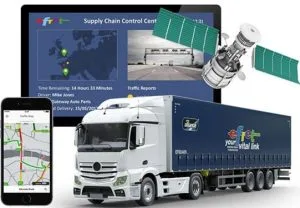
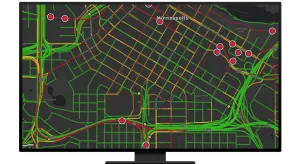
Unlike basic GPS, which only tells you where a truck is, GIS-based tracking tells you how it should move.
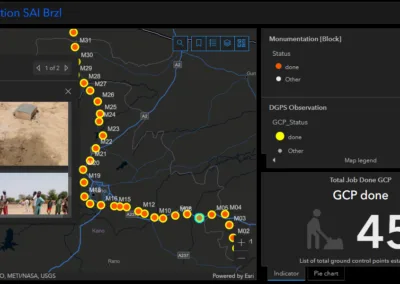
Spatial Intelligence: Each vehicle transmits its coordinates, speed, and time stamps.
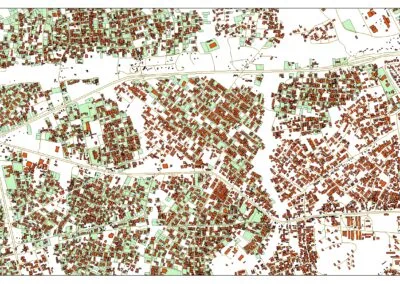
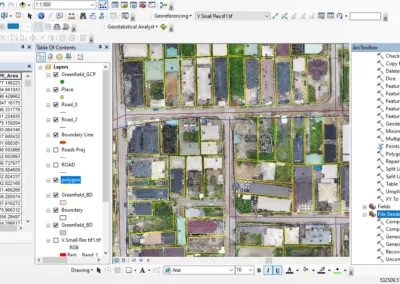
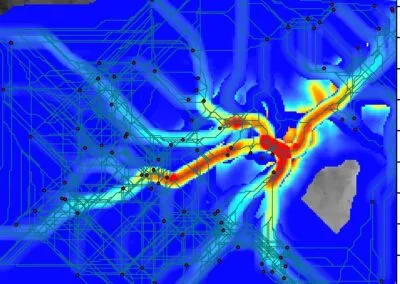
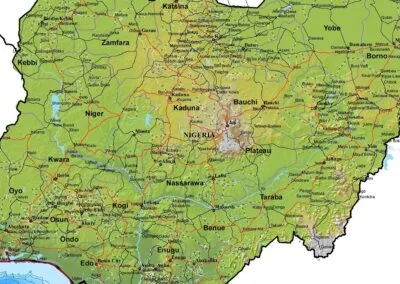
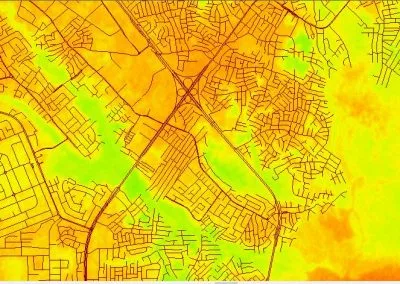
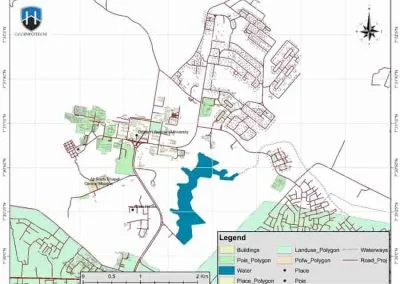
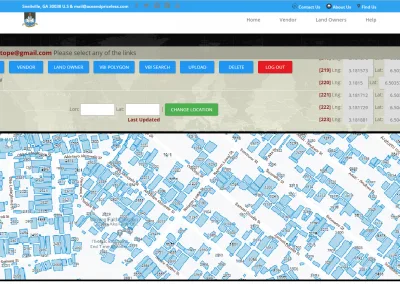
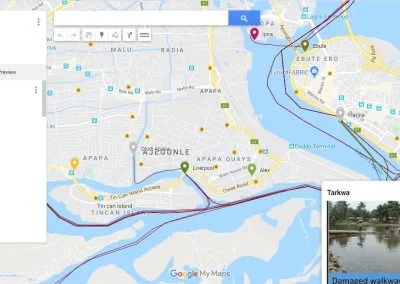
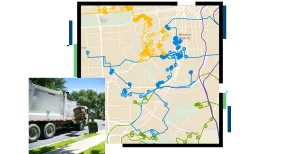
Data Processing: GIS software layers this data over digital maps of Nigerian road networks, traffic patterns, and delivery zones.
Decision Support: Managers can observe patterns, identify bottlenecks (like the Lagos-Ibadan expressway gridlock), and reroute drivers in real-time.
2. 4 Ways GIS Optimizes Your Fleet in 2026
A. Intelligent Route Planning
GIS doesn’t just find the shortest path; it finds the smartest. By analyzing road hierarchy and historical traffic data, GIS creates routes that minimize fuel consumption and vehicle wear.
B. Live Fleet Monitoring & Visibility
With live map displays, dispatchers can monitor vehicle speeds and unauthorized stops. This level of transparency in Nigeria’s logistics sector reduces “hidden” costs like fuel siphoning or illegal vehicle use for side-hustles.
C. Geofencing for Asset Security
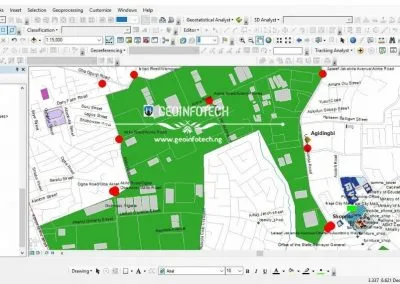
In 2026, security is paramount. GIS allows you to draw “digital fences” around authorized routes. If a vehicle deviates toward a high-risk area or leaves its designated zone, an instant alert is triggered, allowing for rapid recovery or intervention.
D. Performance Metrics (KPIs)
GIS tracking allows you to move from “I think” to “I know.” You can measure on-time delivery rates, average dwell time, and route efficiency with mathematical precision.
3. The Geoinfotech Advantage: Components of Success
At Geoinfotech Resources Limited, we provide a full-stack spatial decision-support framework:
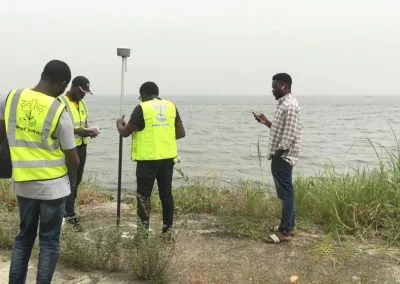
Hardware: Ruggedized, GPS-enabled trackers built for the Nigerian environment.
Network: Seamless integration with mobile cellular and satellite links.
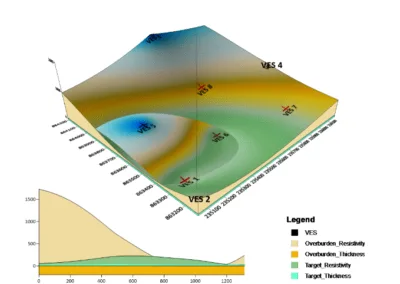
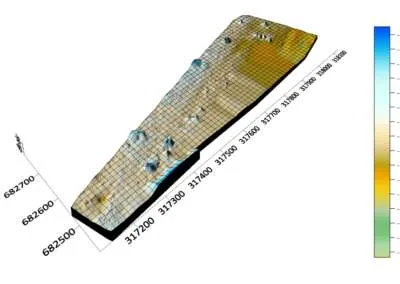
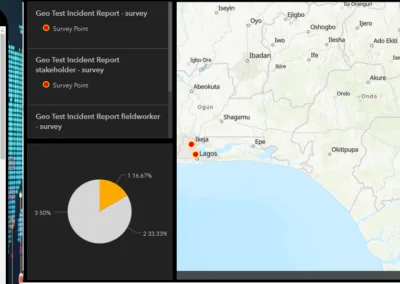
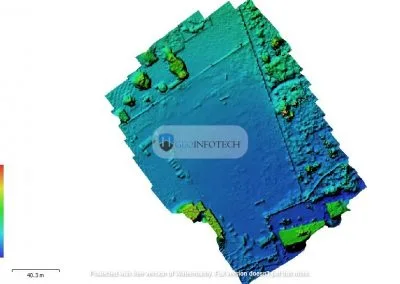
GIS Platforms: Advanced software for visualization and “3D Digital Twin” mapping of supply chains.
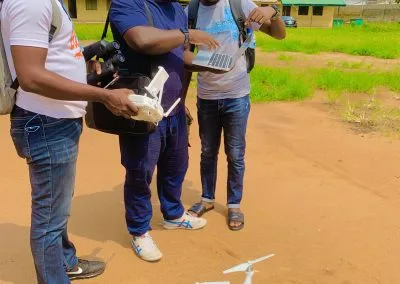
Expert Training: We empower your team to handle large volumes of real-time spatial data.
Comparison: Traditional vs. GIS-Driven Logistics
| Feature | Traditional Logistics | GIS-Optimized Fleet (2026) |
| Routing | Driver intuition/Static maps | Real-time dynamic rerouting |
| Fuel Usage | High (due to idling/poor routes) | Reduced by up to 25% |
| Security | Reactive (report after theft) | Proactive (Geofencing alerts) |
| Customer Service | “It’s on the way” | Precise ETA & Live Tracking |
Conclusion: Lead the Last Mile
The future of Nigerian logistics is digital and spatial. By integrating GIS tracking, you improve customer satisfaction and reduce operational costs simultaneously.
Whether you are managing a fleet of three bikes or 300 trucks, Geoinfotech Resources Ltd is your partner for aerial, ground, and digital excellence. We have the experience and the tech to keep your business moving forward.