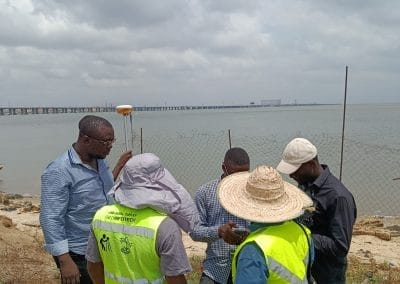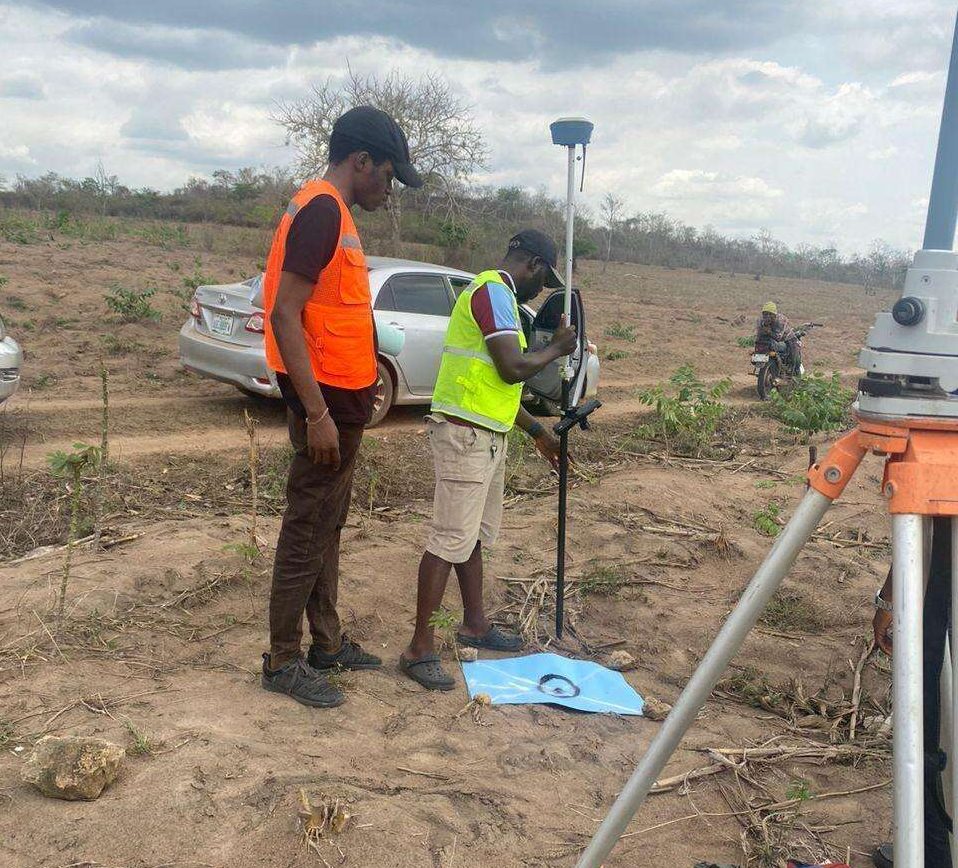

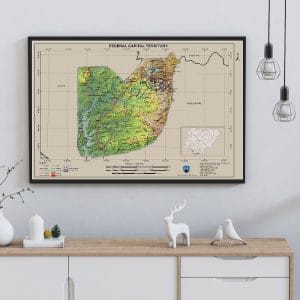
Whether you are an urban planner, a civil engineer, or a real estate developer, navigating the complex terrain of Lagos requires more than just a satellite view. In 2026, the stakes for accurate data have never been higher.
With rapid urbanization in areas like Ibeju-Lekki and the persistent challenge of flash flooding, high-precision topographic maps are the difference between a resilient project and a multi-million Naira mistake. This guide breaks down exactly where to find and how to acquire accurate topographic data in Lagos, from government portals to cutting-edge LiDAR technology.
Why Topographic Maps are the “Gold Standard” for Lagos Projects
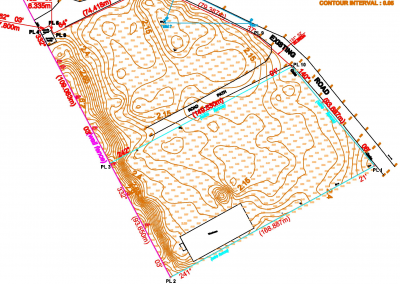
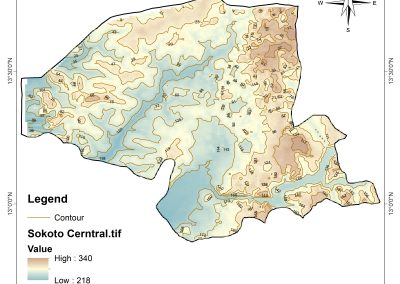
In a city where elevation ranges from sea level (Lagos Island) to just 79 meters (Mainland), a margin of error of even 10cm can lead to catastrophic drainage failure. High-resolution topographic mapping in Nigeria is critical for:
Flood Risk Mitigation: Pinpointing low-lying “bowls” prone to flooding.
Infrastructure Design: Calculating slopes for roads, bridges, and sewage lines.
Regulatory Compliance: Ensuring developments align with the Lagos State Master Plan.
1. The Official Route: Lagos State Office of the State Surveyor General (OSSG)
For any legally binding urban planning or construction, your data must be state-verified. The OSSG in Alausa, Ikeja is the sole authority for official maps.
The “Red Copy” System: You must request a certified survey plan, known as the Red Copy. This is the only document recognized for legal proof of land status and topographical accuracy in Lagos.
Land Information Certificate: Essential for confirming if your site falls under government acquisition or committed zones.
Application Tip: Address a formal letter to the Surveyor General at Alausa, providing the specific coordinates of your Area of Interest (AOI).
2. Leveraging 2026 Tech: Drone Mapping and LiDAR
While government maps provide the legal framework, they may not reflect recent land reclamation or sand-filling. For real-time accuracy, professionals use:
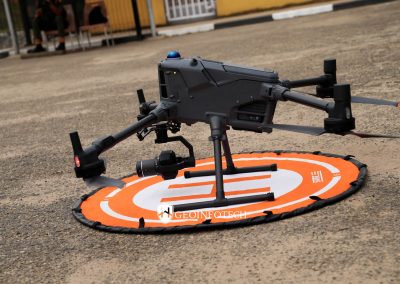
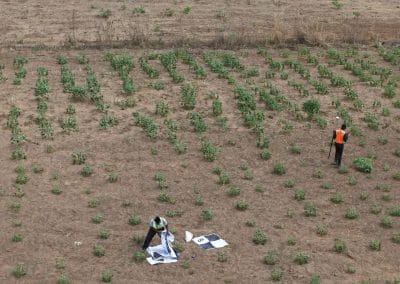
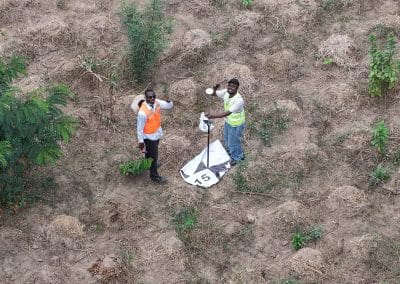
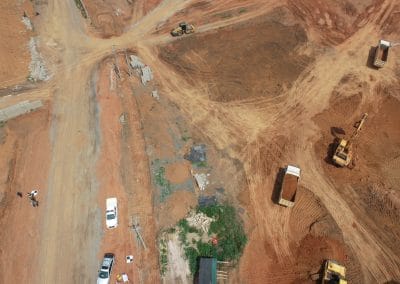
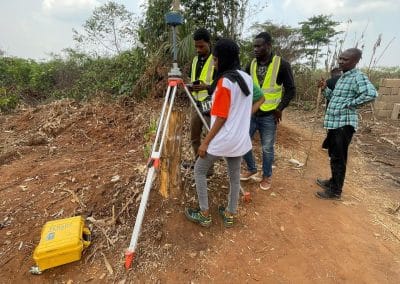
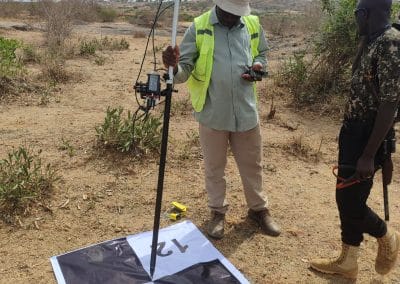
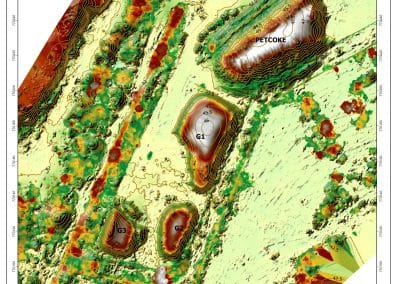
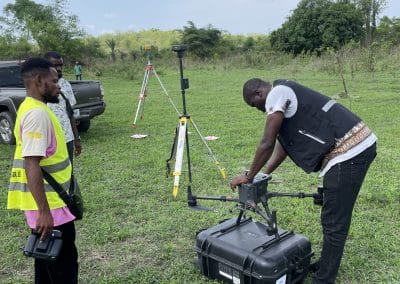
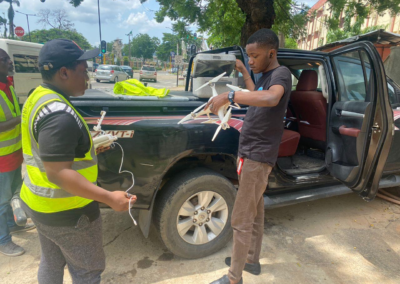
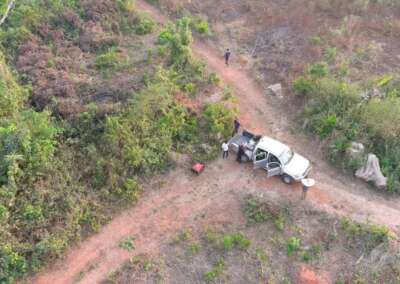
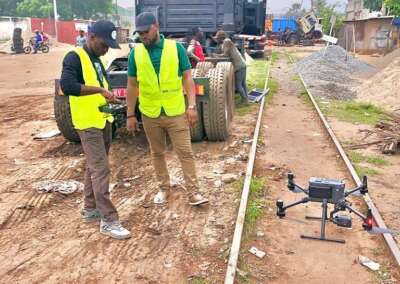
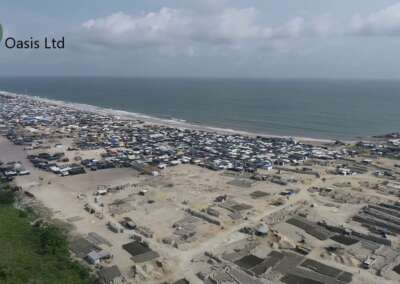
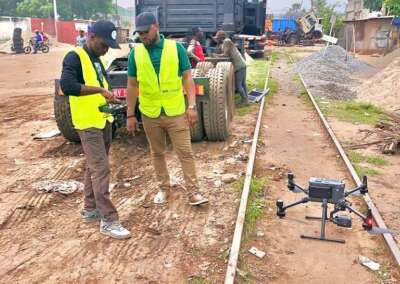
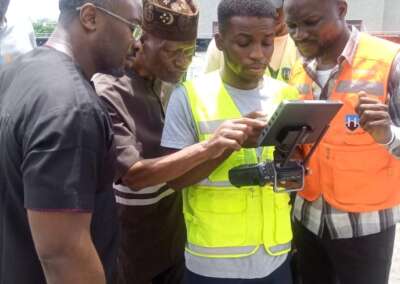
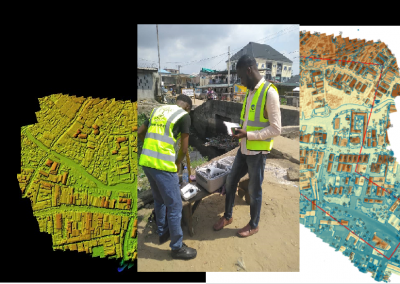
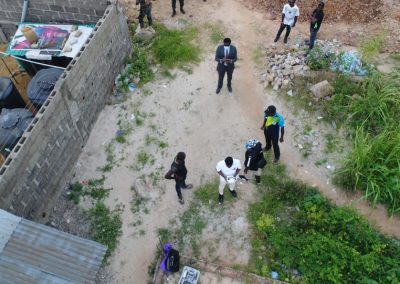
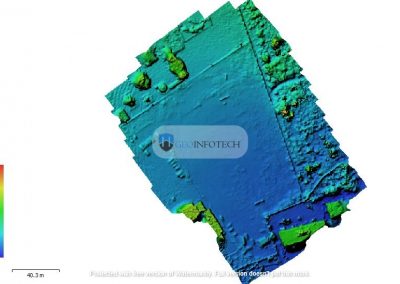
Drone (UAV) Photogrammetry: Ideal for rapid development zones like Epe. Drones generate high-resolution Digital Elevation Models (DEMs) much faster than traditional ground teams.
LiDAR (Light Detection and Ranging): In densely built-up areas like Ikoyi or forested parts of the South-West, LiDAR “sees” through canopy and structures to map the actual ground surface with centimeter-level precision.
Search Tip: If you’re looking for where to buy drone mapping software in Lagos or need professional capture, visit specialized hubs in Ikeja for licensed support.
3. Digital & Open-Source Data (Feasibility Stage)
If you are in the preliminary study phase and don’t yet need legal certification, these digital platforms are invaluable:
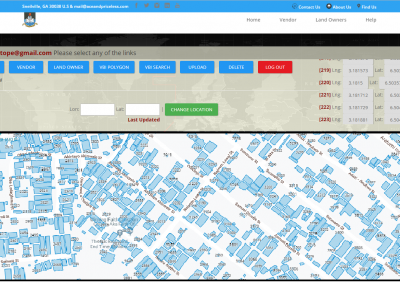
Lagos e-GIS Portal: The state’s digital land administration system allows you to track applications and view basic spatial data online.
USGS Earth Explorer: Access SRTM data for regional drainage studies.
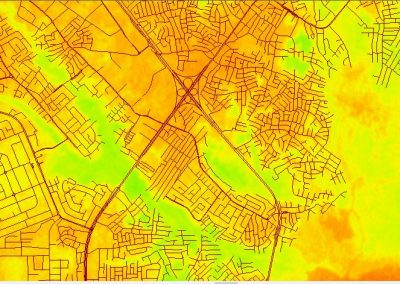
OpenStreetMap (OSM): Useful for updated road networks and building footprints.
Key Considerations for the Lagos Terrain
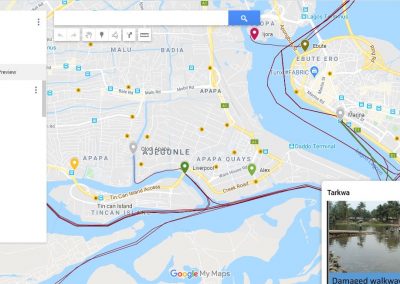
The Coastal Profile: Much of Lagos is at or below sea level. Ensure your maps include bathymetric data if your project is near the Lagoon or the Atlantic coast.
Land Reclamation: Projects like Eko Atlantic or Gracefield Island have artificial topography. Always verify if your data accounts for recent dredging.
Action Plan: Getting Your Planning Documents Right
To stay compliant and ensure project safety, follow these steps:
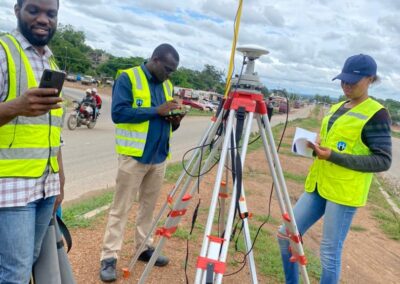
Consult a Licensed Surveyor: Avoid unofficial “Omonile” sketches at all costs.
Verify via Alausa: Always lodge your survey at the Surveyor General’s office in Ikeja.
Invest in High-Res Data: For sites larger than 5 hectares, a drone topographic survey is no longer optional—it’s a necessity.
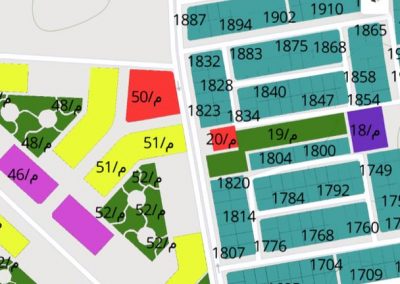
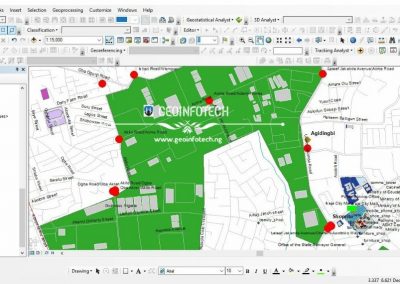
GIS Integration: Use software like ArcGIS or QGIS to overlay topographic data with official zoning maps.