Introduction
Land surveying has long been a cornerstone of development, providing the spatial framework for land ownership, infrastructure, urban planning, and environmental management. As the world enters an era shaped by rapid technological advancement, climate change, urban expansion, and digital transformation, the surveying profession is undergoing significant evolution.
The future of land surveying is defined by automation, data integration, and expanding professional roles. Surveyors are increasingly transitioning from traditional field measurers to spatial data specialists and decision-support professionals.
Technological Transformation in Land Surveying
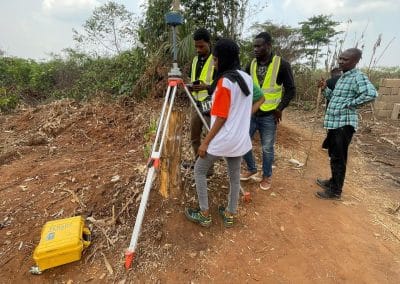
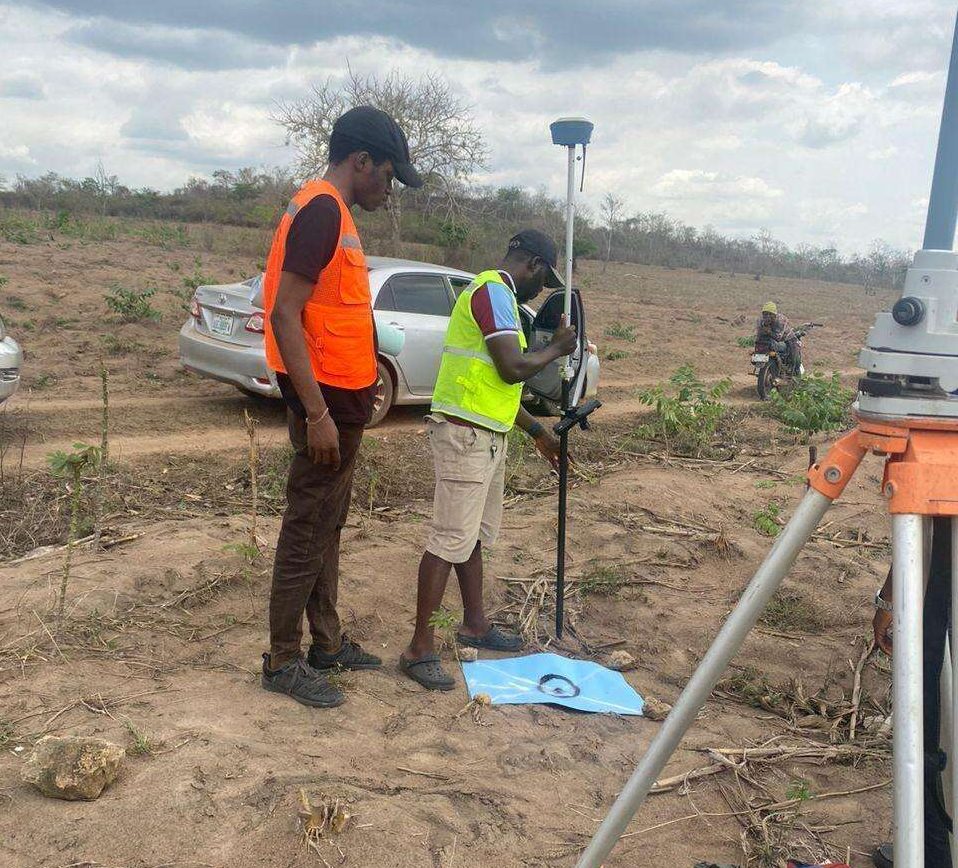
Emerging technologies are redefining how surveying is conducted. While traditional ground-based methods remain relevant, they are increasingly complemented by advanced tools such as:
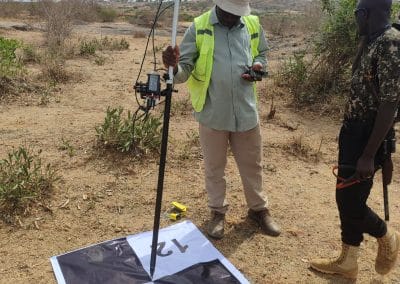
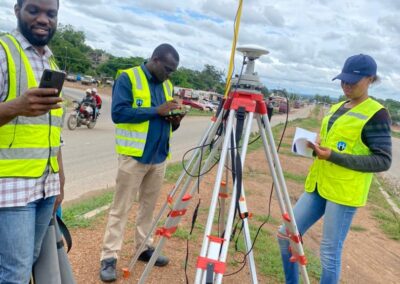
Global Navigation Satellite Systems (GNSS)
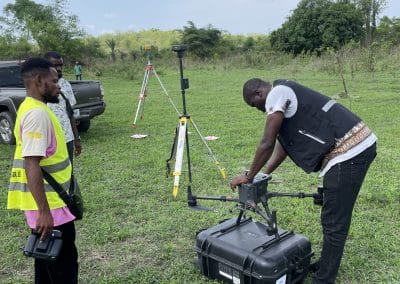
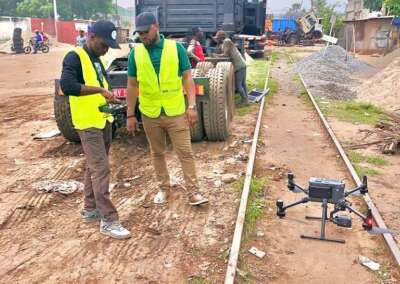
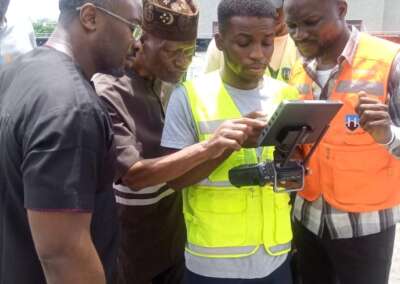
Unmanned Aerial Vehicles (drones)
LiDAR and laser scanning
Satellite-based positioning systems
Automation and intelligent instruments now enable real-time data capture, self-calibration, and automated error correction. Artificial intelligence is also being integrated into surveying equipment to improve workflow efficiency and data accuracy.

Integration of GIS and Spatial Data Systems
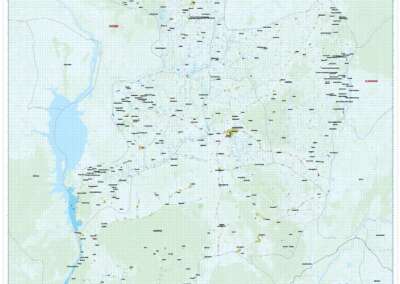
The future of land surveying is closely tied to Geographic Information Systems (GIS) and spatial data infrastructures. Survey data will no longer exist in isolation but as part of dynamic, multi-layered geospatial databases.
Surveyors will play key roles in managing, validating, and updating spatial data used for:
Land administration
Urban and regional planning
Disaster management
Infrastructure development
Interoperability between GIS, Building Information Modelling (BIM), and digital twins will support smarter planning and long-term asset management.
Digital Cadastre and Modern Land Administration
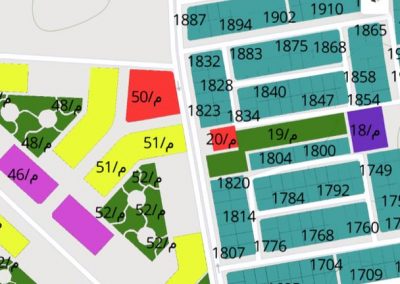
One of the most important developments in land surveying is the transition to digital cadastral systems. Land records are increasingly being stored and managed digitally, improving transparency, reducing disputes, and strengthening land tenure security.
Surveyors will be central to maintaining accurate digital boundaries and ensuring the spatial integrity of land information systems. Emerging technologies such as blockchain may further enhance the security and traceability of land records.
Role of Land Surveying in Smart Cities and Infrastructure
As cities adopt smart technologies, land surveyors will become essential contributors to smart city development. High-resolution spatial data supports:
Intelligent transportation systems
Utility and infrastructure management
Zoning enforcement
Urban growth monitoring
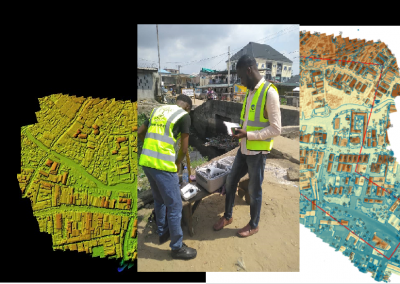
Surveyors provide accurate base data for 3D city models, underground utility mapping, and infrastructure performance monitoring.
Environmental Monitoring and Climate Resilience
The future of land surveying extends beyond development into environmental sustainability and climate resilience. Surveyors will increasingly support:
Flood and erosion monitoring
Coastal zone management
Land subsidence tracking
Environmental impact assessments
Advanced remote sensing and continuous monitoring systems enable long-term environmental analysis, positioning surveyors as key contributors to disaster risk reduction and sustainable development.
Artificial Intelligence and Big Data in Surveying
Artificial intelligence and big data analytics are transforming how surveying data is processed and interpreted. Machine learning algorithms automate:
Feature extraction
Terrain modeling
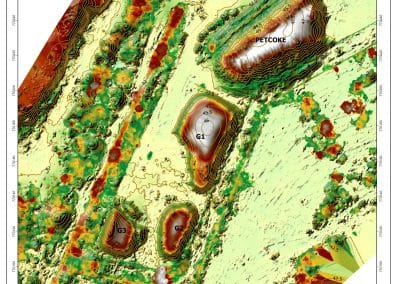
Change detection from drone and LiDAR data
As automation increases, surveyors will focus more on data interpretation, quality assurance, and strategic analysis rather than manual measurements.

Skills and Education for the Future Land Surveyor
The future land surveyor will require a broader and more interdisciplinary skill set. In addition to traditional surveying knowledge, professionals will need expertise in:
GIS and remote sensing
Programming and data analytics
Information and asset management
Continuous professional development will be essential, and surveying education will increasingly emphasize digital skills, innovation, and problem-solving.
Regulatory and Ethical Considerations
As surveying becomes more digital and data-driven, regulatory frameworks must evolve. New standards will be required for:
Data accuracy and interoperability
Privacy and cybersecurity
Ethical use of spatial data
Surveyors will bear increased responsibility for data integrity, privacy protection, and responsible technology deployment.
Conclusion
The future of land surveying is dynamic, technology-driven, and expansive. While the core principles of accuracy, reliability, and professionalism remain unchanged, the tools, methods, and scope of practice are evolving rapidly.
By embracing innovation, continuous learning, and interdisciplinary collaboration, land surveyors will remain vital contributors to sustainable development, smart cities, and environmental resilience—shaping both the built and natural environments of the future.