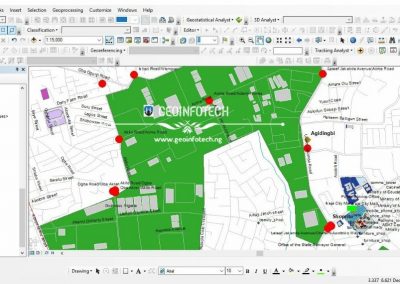
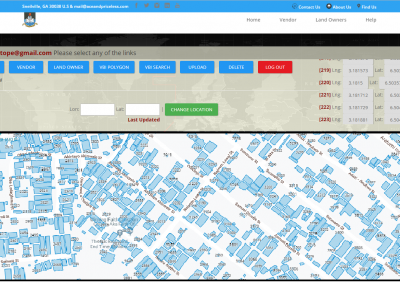
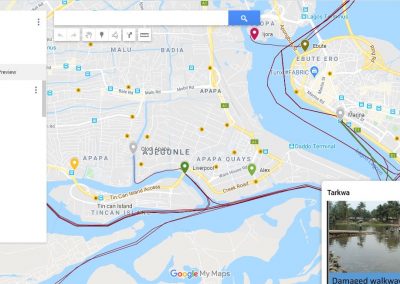
In emergency situations, time is the most critical factor influencing outcomes. Whether responding to fires, floods, road accidents, disease outbreaks, security incidents, or natural disasters, emergency teams must act quickly, accurately, and in a coordinated manner. Using maps in emergencies provides the spatial awareness required to reduce response time, improve coordination, and support effective decision-making under pressure.
Maps, both traditional and digital, play a central role in modern emergency management by transforming complex environments into clear, actionable information.
The Role of Maps in Emergency Response
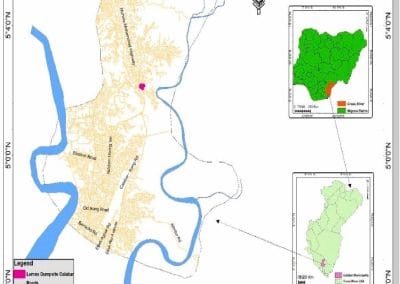
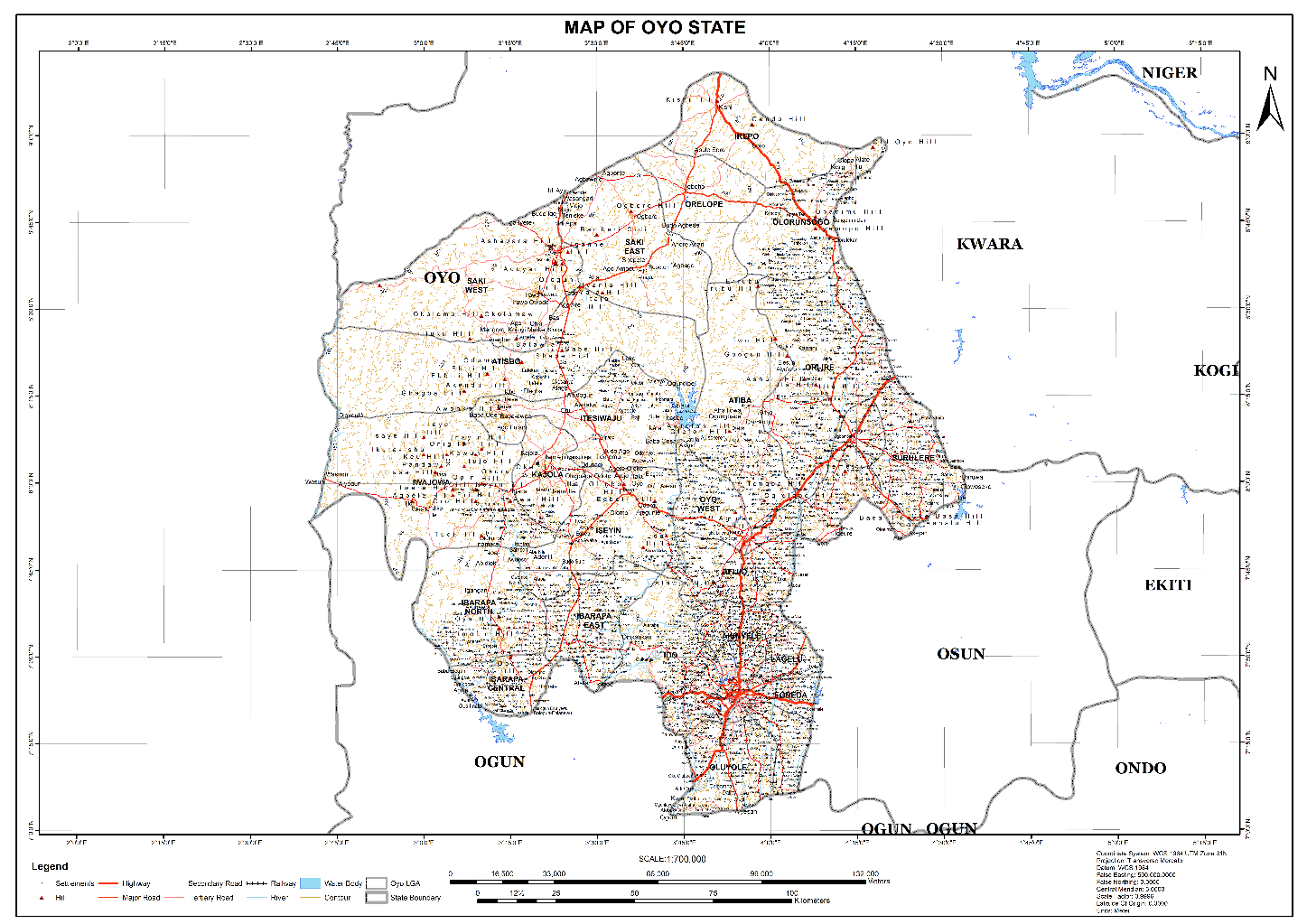
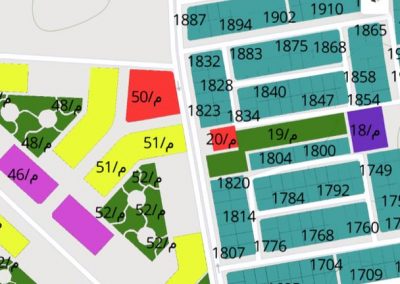
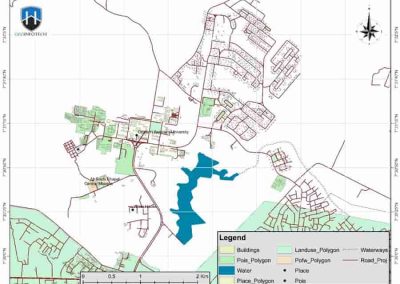
Maps translate real-world environments into visual representations that are easy to understand at a glance. During emergencies, responders need immediate answers to key questions: where the incident is located, what surrounds it, how it can be accessed, and who or what is at risk.
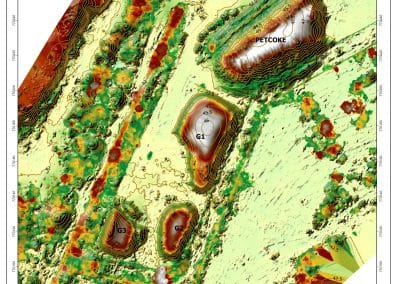
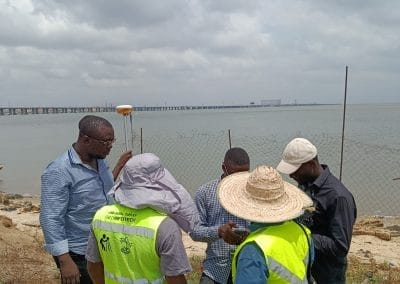
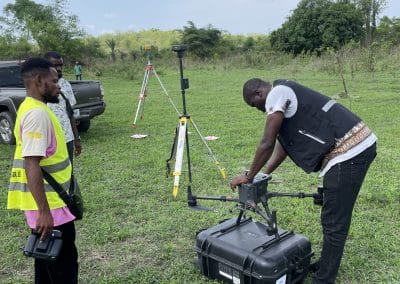
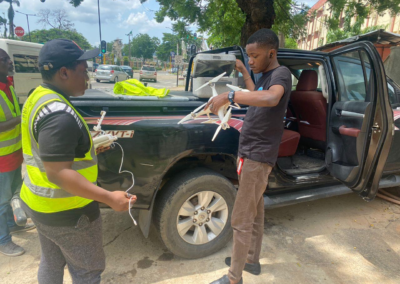
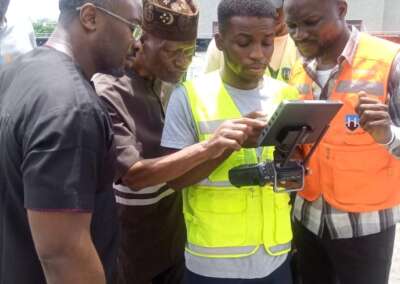
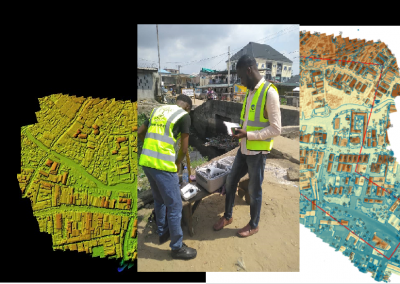
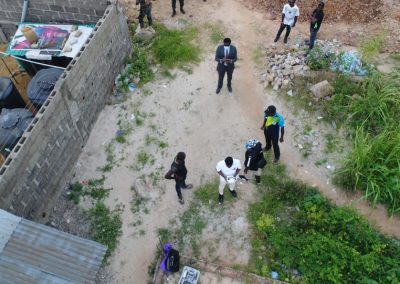
Unlike verbal descriptions, maps clearly show spatial relationships, enabling emergency managers and field teams to act without delay. Today, digital maps and Geographic Information Systems (GIS) are widely used in emergency response. These platforms integrate data from satellites, drones, GPS devices, sensors, and field reports to provide up-to-date situational awareness.
Rapid Incident Location and Access Routing
One of the most important ways maps save time in emergencies is through rapid location identification. Accurate maps allow responders to pinpoint the exact location of an incident, reducing confusion caused by poor addressing systems or vague descriptions, especially in dense urban areas or informal settlements.
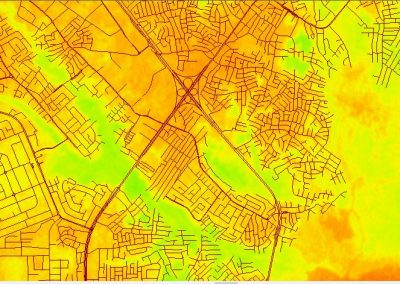
Maps also display multiple access routes, road conditions, bridges, and alternative paths. This routing information helps responders select the fastest and safest route, avoiding traffic congestion, flooded roads, collapsed bridges, or damaged infrastructure. Faster routing directly translates to quicker response times.
Efficient Resource Deployment and Coordination
Emergency maps support efficient deployment of resources such as ambulances, fire trucks, police units, rescue teams, and relief supplies. By visualizing the location of available resources relative to an incident, coordinators can assign the closest and most appropriate units immediately.
In large-scale emergencies involving multiple agencies, maps provide a shared operational picture. All responding teams can view the same spatial information, reducing miscommunication, duplication of effort, and delays. This coordinated approach ensures that critical areas receive attention without wasting time or resources.
Risk Assessment and Hazard Avoidance
Maps used in emergency response often include hazard and risk layers, such as flood zones, fire-prone areas, chemical storage locations, unstable terrain, and high-voltage infrastructure. By consulting these layers, responders can quickly assess potential dangers and plan safer response strategies.
For example, flood maps help identify submerged roads and safe evacuation routes, while fire risk maps guide firefighters away from hazardous wind directions or fuel-dense zones. Early hazard awareness prevents unexpected obstacles and secondary incidents that could slow response efforts.
Evacuation Planning and Crowd Management
Evacuation planning relies heavily on maps. Emergency maps clearly identify evacuation routes, shelters, safe zones, and assembly points. Authorities use maps to guide the public through broadcasts, social media, and mobile applications, reducing panic and confusion.
In crowded environments such as markets, stadiums, schools, and urban centers, maps help manage crowd movement efficiently. Well-defined routes reduce congestion and ensure that people reach safety in the shortest possible time.
Real-Time Monitoring and Decision Support
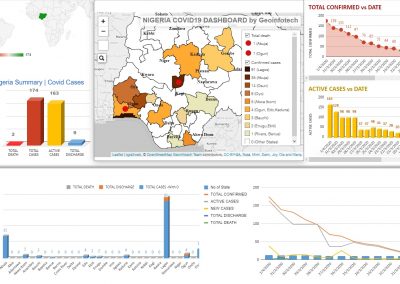
With GIS and real-time data integration, modern emergency maps provide continuous updates throughout an incident. Live data from GPS-tracked vehicles, drones, weather systems, and field reports allow decision-makers to monitor conditions as they evolve.
If a route becomes blocked or conditions deteriorate, responders can immediately reroute vehicles or redeploy resources. This real-time decision support saves valuable time and improves overall response effectiveness.
Supporting Search and Rescue Operations
Maps are essential tools in search and rescue missions. Gridded maps allow teams to divide affected areas into manageable sections, ensuring systematic coverage without overlap or missed zones.
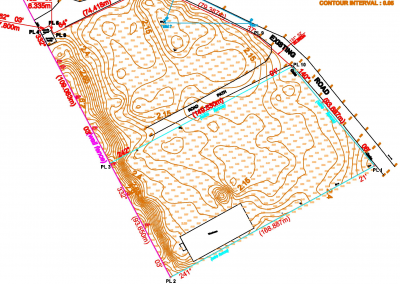
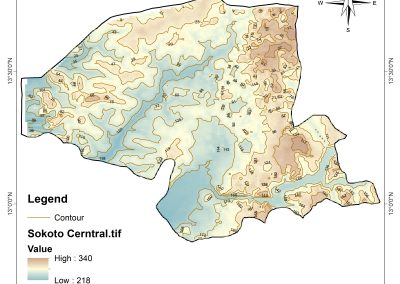
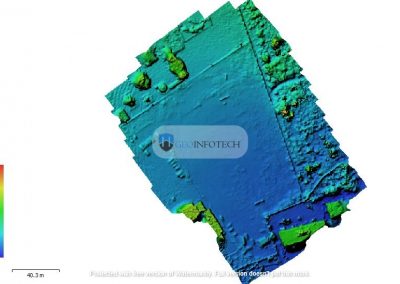
Terrain maps, elevation data, and satellite imagery help rescuers understand the physical environment, identify likely survivor locations, and plan efficient search paths. This structured approach significantly reduces search time and increases the chances of successful rescue.
Post-Emergency Assessment and Recovery Planning
After the immediate emergency phase, maps continue to save time during damage assessment and recovery. Mapped data helps authorities quickly identify affected areas, assess infrastructure damage, and prioritize restoration efforts.
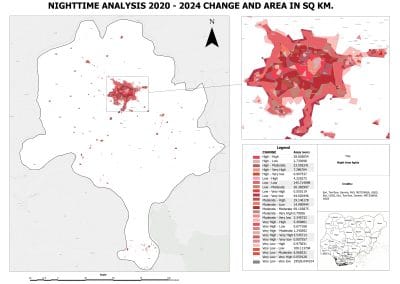
By comparing pre- and post-event maps, decision-makers can estimate losses, plan reconstruction, and allocate resources more efficiently. This accelerates recovery and minimizes long-term social and economic impacts.
Conclusion
Using maps in emergencies is a powerful time-saving strategy that enhances situational awareness, improves coordination, and supports faster and safer decision-making. From rapid incident location and efficient routing to evacuation planning, hazard avoidance, real-time monitoring, and recovery planning, maps convert complex emergency environments into actionable intelligence.
As emergencies become more frequent and complex due to urbanization and climate change, the integration of maps, GIS, and real-time spatial data will remain essential for effective emergency management. Ultimately, the ability to visualize and understand space through maps is not just a technical advantage, it is a critical tool for saving time, protecting lives, and reducing losses during emergencies.