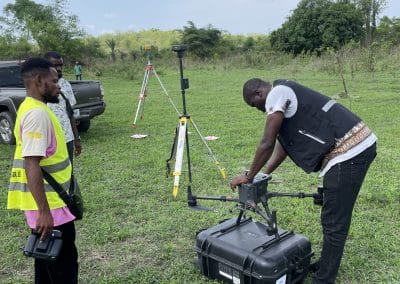
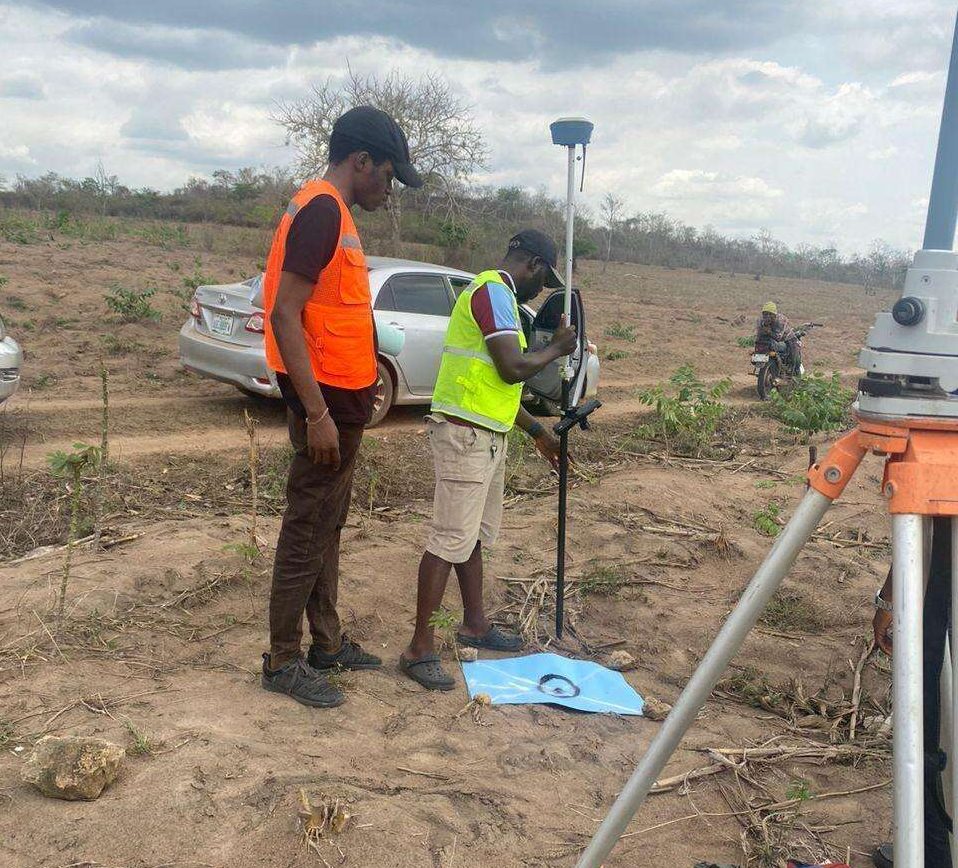
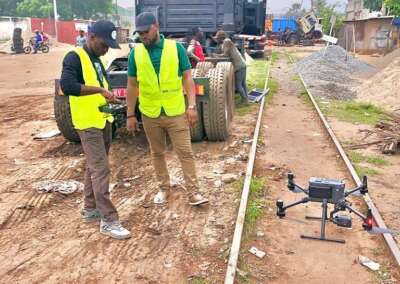
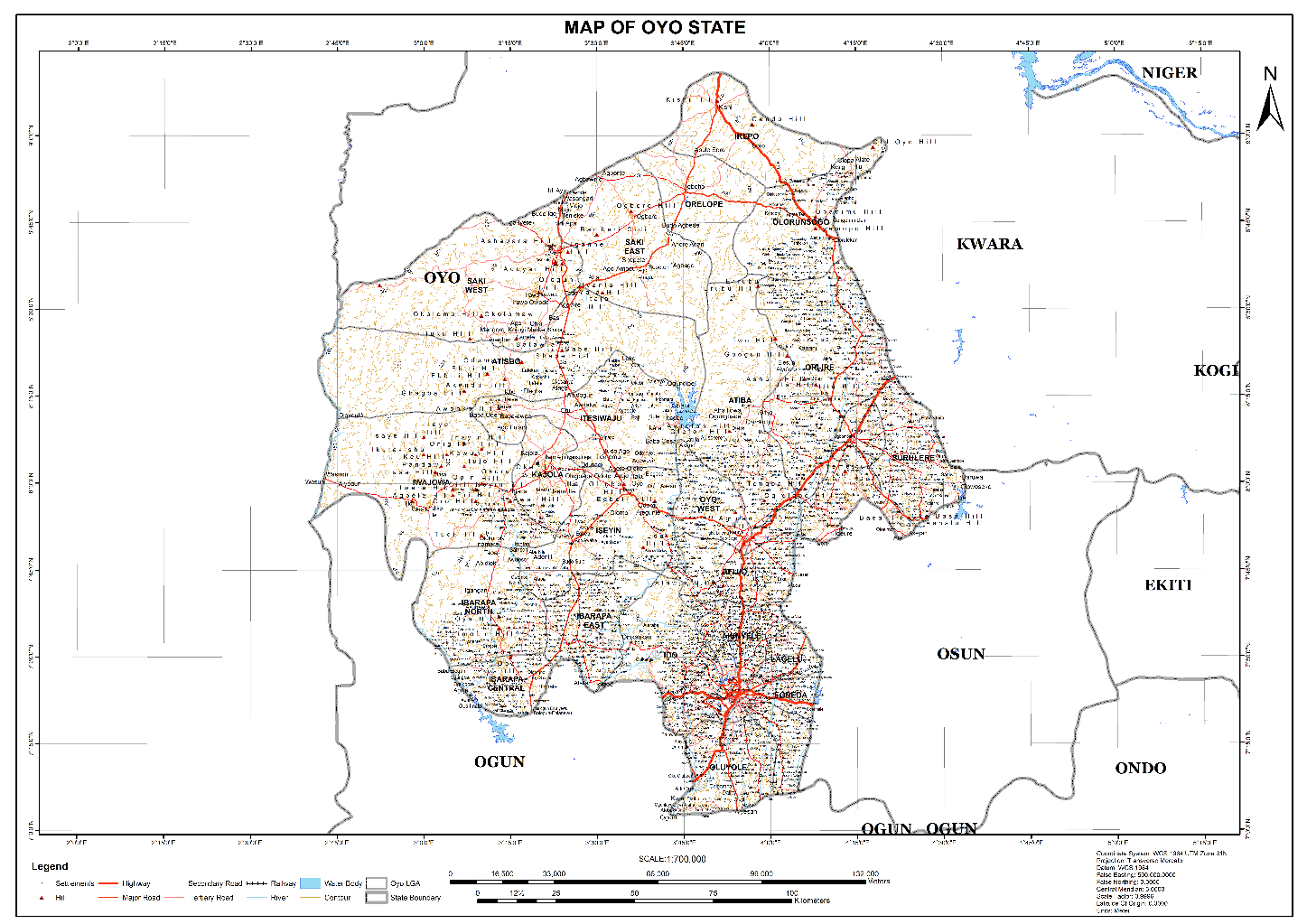
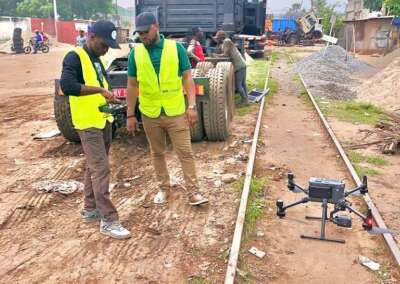
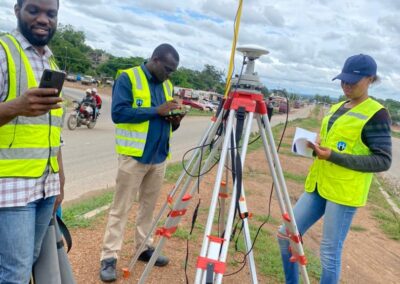
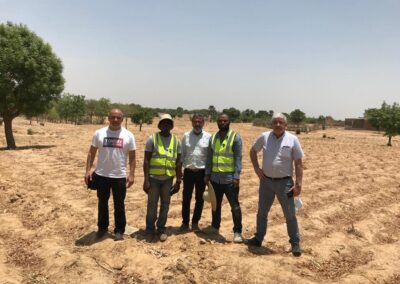
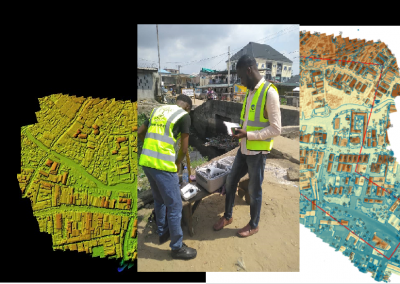
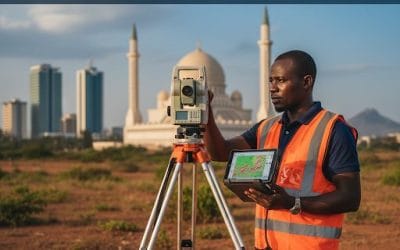
The use of drones, officially known as Unmanned Aerial Vehicles (UAVs), is expanding rapidly across Nigeria. From land surveying and agriculture to construction, oil and gas, security, and media production, drone technology has become a critical tool for data acquisition and operational efficiency. As this growth continues, becoming a certified drone pilot in Nigeria is no longer optional for professionals who want to operate legally, safely, and competitively.
This article outlines the top reasons why drone pilot certification is essential in Nigeria’s evolving drone ecosystem.
1. Legal Compliance With NCAA Regulations
Drone operations in Nigeria are regulated by the Nigerian Civil Aviation Authority (NCAA) under the Remotely Piloted Aircraft Systems (RPAS) framework. Certification ensures that drone pilots understand airspace classifications, flight authorization procedures, altitude limits, and operational restrictions.
Operating without certification exposes pilots to fines, equipment confiscation, and legal sanctions. Certification provides the legal foundation required for commercial drone operations in Nigeria.
2. Improved Aviation Safety and Risk Management
Certified drone pilots receive formal training in aviation safety, emergency procedures, weather interpretation, and risk assessment. These skills reduce the likelihood of accidents, collisions, and property damage.
Through standardized safety protocols, certified pilots are better equipped to manage operational risks and conduct safe UAV missions in complex environments.
3. Professional Competence and Technical Proficiency
Drone pilot certification validates technical knowledge in aerodynamics, navigation systems, flight control principles, and sensor operations. This competence is critical for professional applications such as surveying, mapping, environmental monitoring, and infrastructure inspection.
Certified pilots deliver accurate, reliable, and repeatable data products that meet industry standards.
4. Increased Credibility and Industry Trust
Certification provides verifiable proof of professionalism. Government agencies, engineering firms, agricultural companies, and international organizations prefer working with certified drone pilots due to concerns about safety and data reliability.
In Nigeria’s developing drone industry, certification significantly improves client confidence and professional reputation.
5. Access to High-Value Commercial Opportunities
Many commercial drone projects in Nigeria require certified operators. These include applications in agriculture, oil and gas surveillance, construction monitoring, power line inspection, security operations, and geospatial mapping.
Without certification, pilots are excluded from these regulated and high-value opportunities.
6. Higher Income and Economic Empowerment
Certified drone pilots are able to charge professional service rates and participate in better-paying contracts. Certification supports entrepreneurship by enabling pilots to establish drone service companies or consultancy practices.
This contributes to income generation, job creation, and economic diversification.
7. Competitive Advantage in a Growing Drone Market
Nigeria’s drone industry is expanding rapidly as more sectors adopt UAV technology. Certification distinguishes professionals from hobbyists and untrained operators.
In a competitive market, certified drone pilots are better positioned for employment, consultancy roles, and long-term career growth.
8. Pathway to Advanced Drone Applications
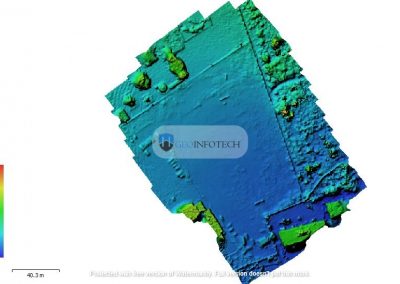
Certification provides the foundation for advanced UAV operations such as photogrammetry, LiDAR mapping, multispectral analysis, and Beyond Visual Line of Sight (BVLOS) flights.
These specialized applications support scientific research, precision agriculture, urban planning, climate studies, and large-scale infrastructure projects.
9. Contribution to National Development and Airspace Governance
Certified drone pilots support national development initiatives by contributing to infrastructure planning, disaster response, environmental monitoring, food security, and digital mapping.
Their adherence to aviation standards strengthens Nigeria’s airspace safety and promotes responsible technology adoption.
10. Ethical Responsibility and Data Integrity
Drone certification programs emphasize ethical considerations, including privacy protection, data security, and responsible data use. This is particularly important in surveillance, mapping, and population-related studies.
Certified pilots are trained to operate within legal and ethical boundaries, reducing social and legal risks.
Conclusion
Becoming a certified drone pilot in Nigeria is a strategic investment in professionalism, safety, and career advancement. Certification ensures legal compliance, improves technical competence, increases earning potential, and opens access to high-value opportunities.
As drone technology continues to shape Nigeria’s geospatial, agricultural, and infrastructural future, certified drone pilots will remain central to sustainable and responsible UAV operations.