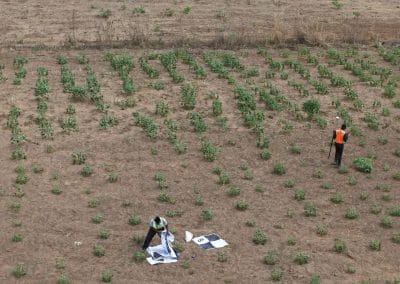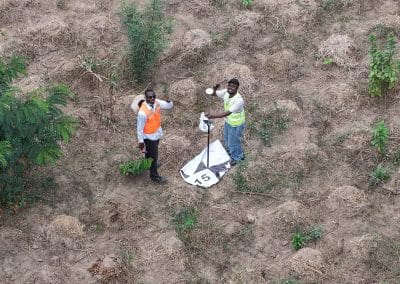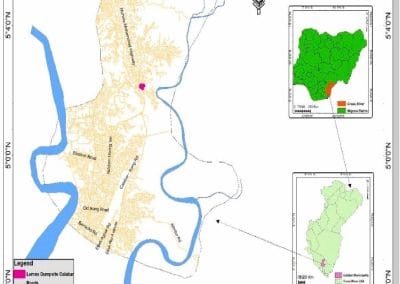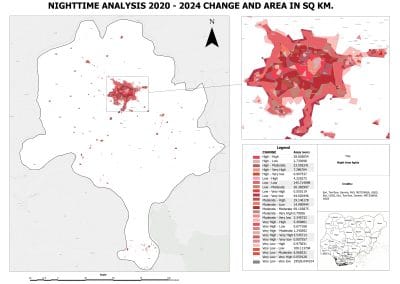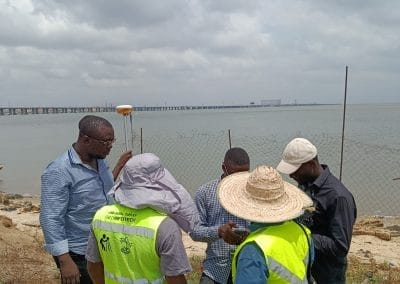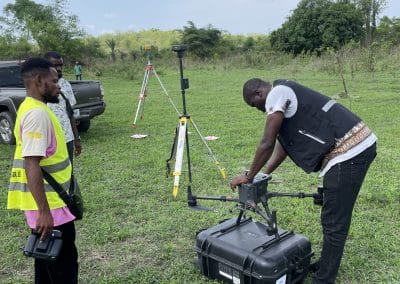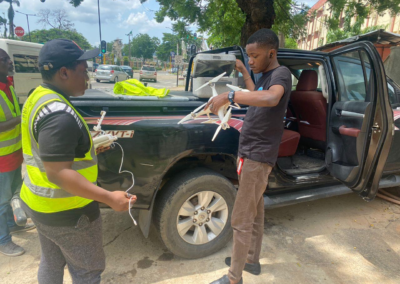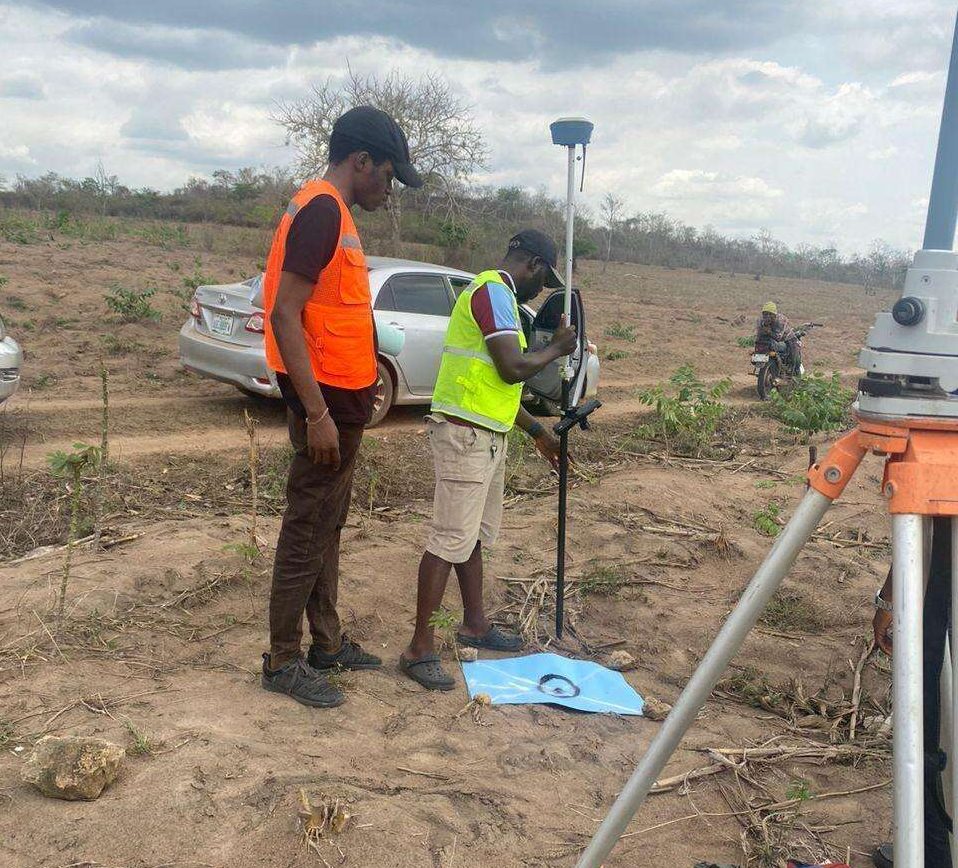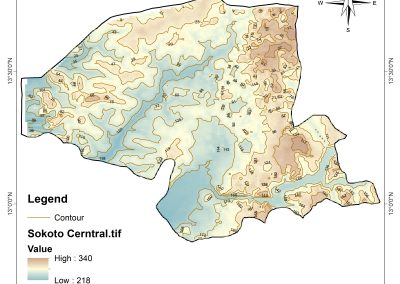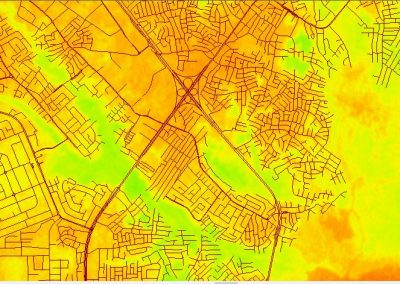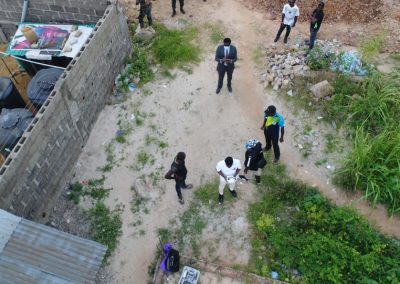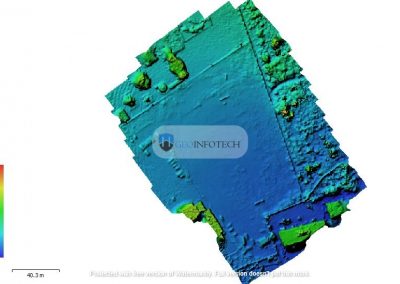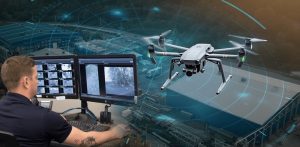

Remote sensing offers key tools for the earth and environment observation as well as assessments of effects caused by climate change or global change processes related to urbanization, migrations, or land-use change. It is needed in all environmental disciplines.
Remote sensing is a methodology for data collection, analysis and the parameterization of environmental models.
Note that remote sensing is much more than just collecting and analyzing satellite data.
It requires profound interdisciplinary knowledge to be able to interpret the data received and make it operational, e.g. for the use in Geographical Information Systems.
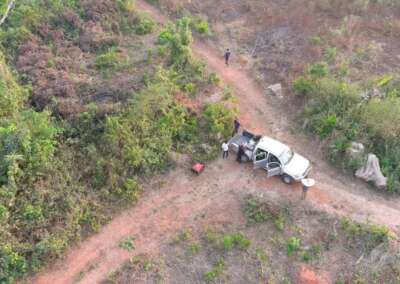
Land surface process and remote sensing explore the use of remote sensing in applications concerning the environment, including desertification and monitoring deforestation and forest fires.
It also covers the characterization of aerosols and gases by passive remote sensing. The correlation of optical images for quantifying the deformation of the Earth’s surface and geomorphologic processes.
It examines remote sensing applications in the mining environment. It is the strong potential of radar imagery for volcanology and urban and mining subsidence studies.
Also deals respectively with the use of remote sensing in locust control and the contribution of remote sensing to the epidemiology of infectious diseases.
In the last ten years, spatial observation of the Earth particularly continental surfaces has expanded considerably with the launch of increasing numbers of satellites covering various applications (hydrology, biosphere, the flow of surface, snow, ice, landslide, floods).
This has paved the way for an explosion in the use of remote sensing data which are:
It gives clear and concise descriptions of modern remote sensing methods
Explores the most current remote sensing techniques with physical aspects of the measurement (theory) and their applications
Describes optical remote sensing technology, including a description of acquisition systems and measures.