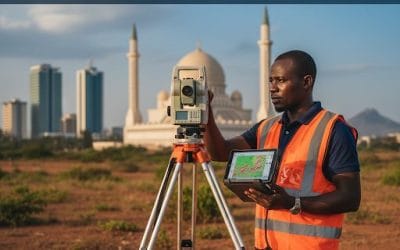
The Power of Spatial Data: How GIS Is Shaping Environmental Management
When you think about the environment, you probably imagine forests, rivers, coastlines, cities, farms, and the spaces in between. But behind every one of these landscapes is a quiet layer of information that tells a deeper story. It shows where things are happening, how fast they are changing, and what those changes mean. That layer is spatial data, and it has become one of the most important tools for understanding our environment. At the center of this transformation is Geographic Information Systems, commonly known as GIS. What began many years ago as a simple mapping tool has grown into a powerful engine for environmental insight. Today it shapes how researchers, planners, and policymakers interpret the world around them.
A World That Changes Across Space and Time
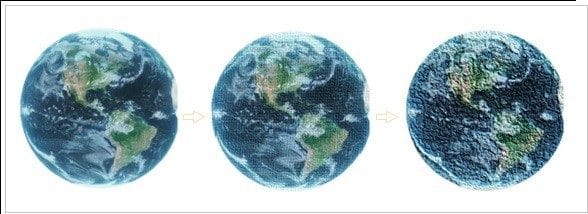
Environmental problems rarely stay still. Rivers shift over time. Cities expand outward. Coastlines retreat gradually. Forests shrink or recover based on human and natural interactions. Temperatures change across regions. These processes all happen in specific places and that location matters greatly.
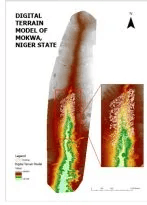

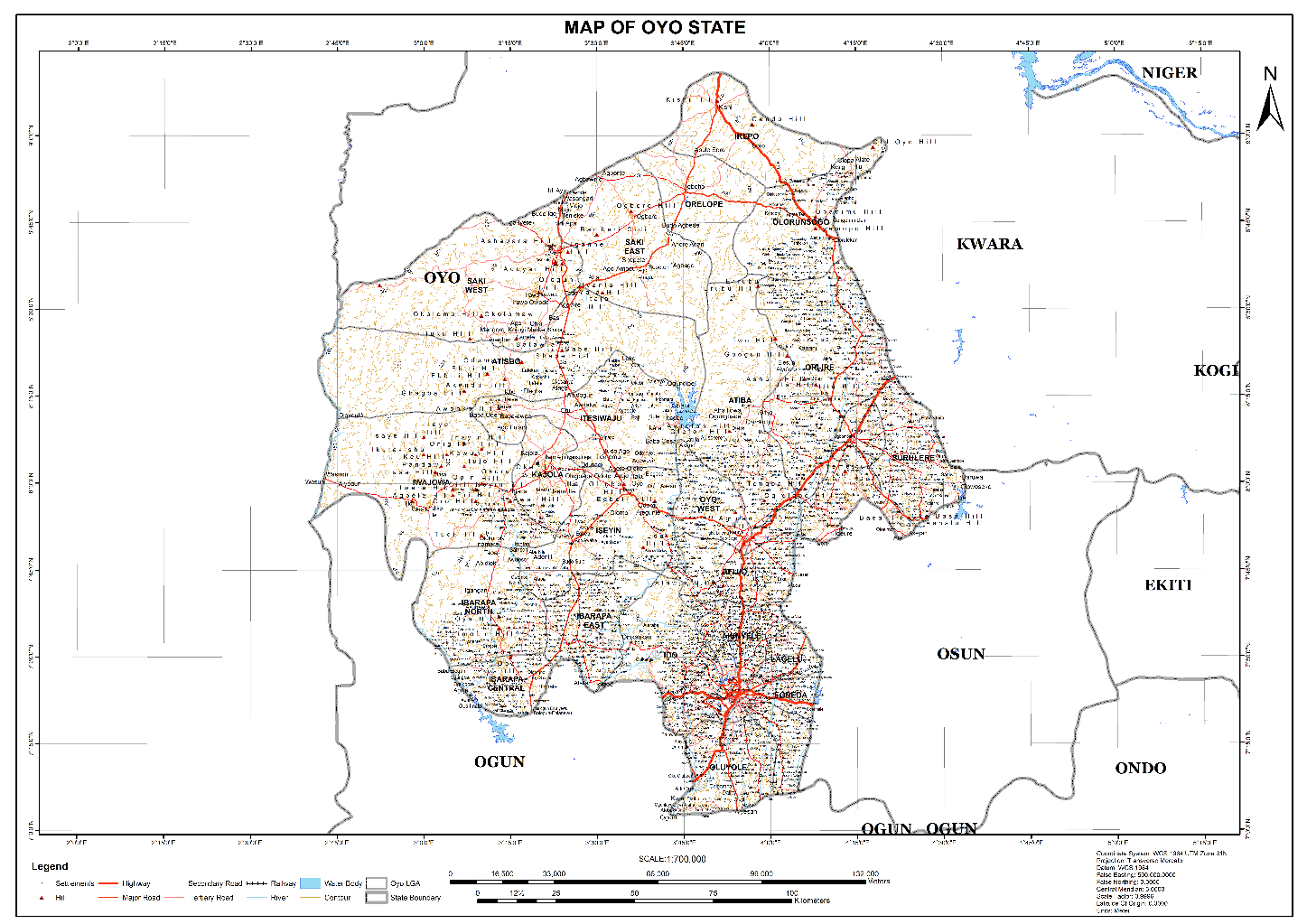
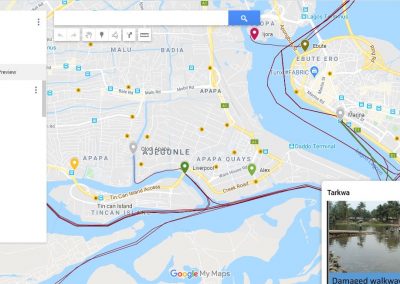
Spatial data has become essential because it allows us to understand environmental issues beyond raw numbers. Instead of viewing environmental change as isolated facts, GIS places them on a map and helps us ask clearer questions. Where is the problem concentrated. How is it spreading. What factors are influencing it. Who is being affected.
Once environmental data is linked to geography, patterns begin to emerge. These patterns help decision makers respond with clarity and confidence.
How GIS Brings the Environment to Life
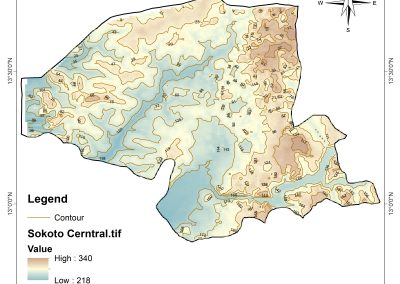
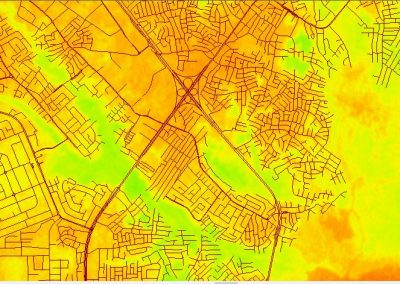
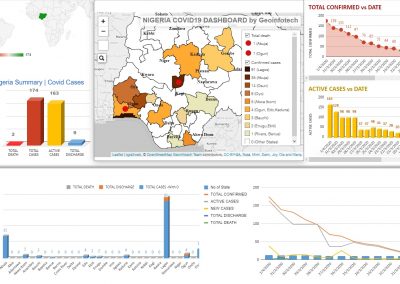
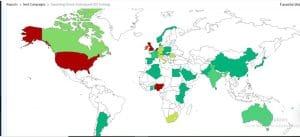
One of the most influential uses of GIS is in climate mapping. Climate does not behave the same everywhere. Rainfall can vary widely within a single region. Temperatures shift differently between cities and rural areas. Some locations face more intense drought or flooding than others.
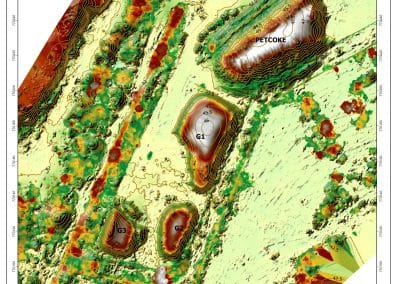
GIS helps us visualise these differences. Maps that show temperature variation, rainfall distribution, drought severity, or flood risk become practical tools for agriculture, water resource management, urban planning, and disaster preparedness. They turn complex climate information into something understandable.
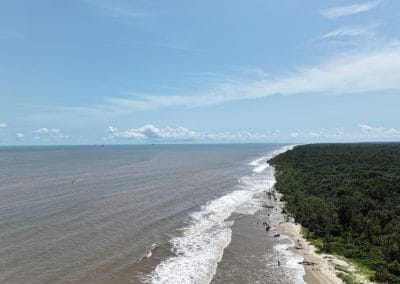
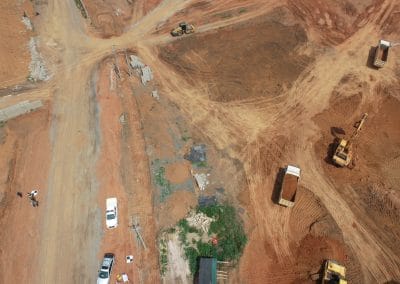
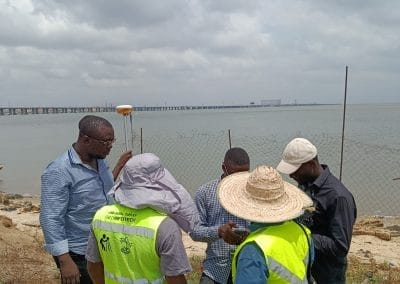
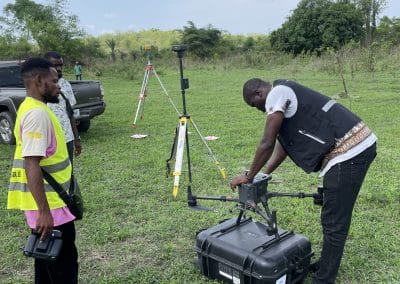
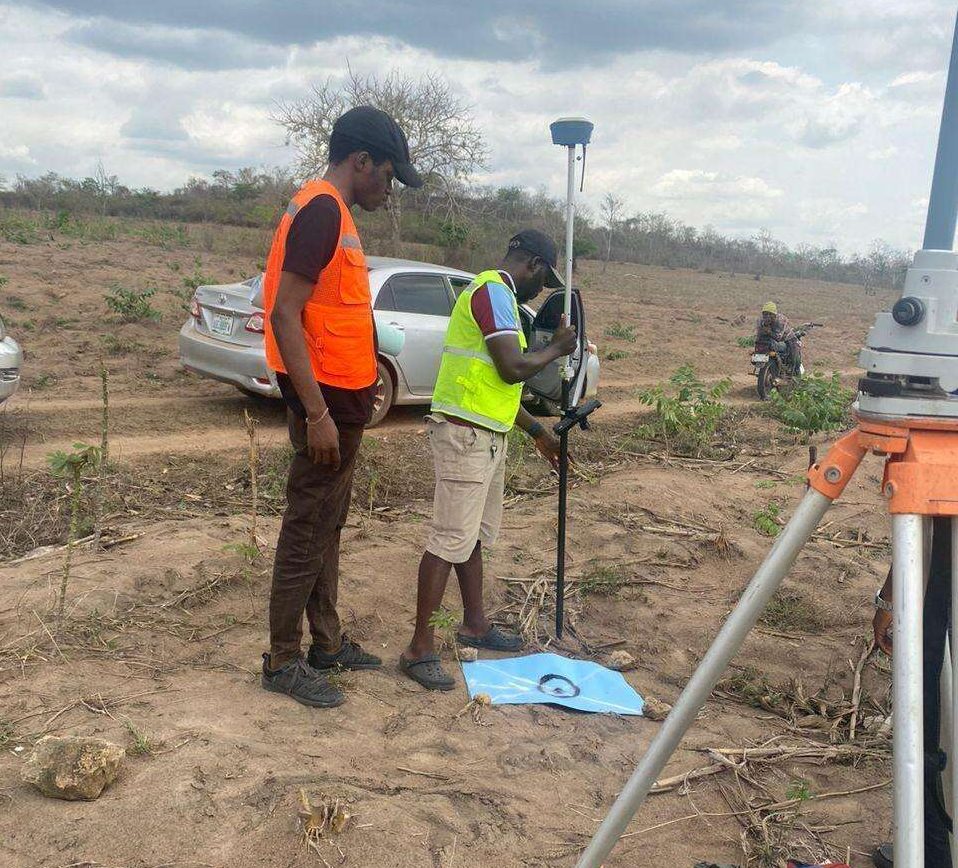
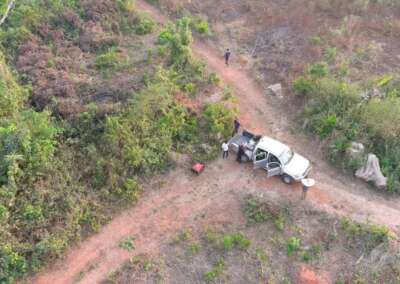
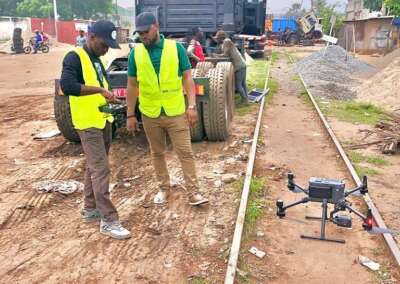
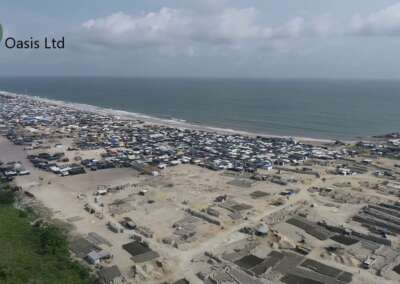
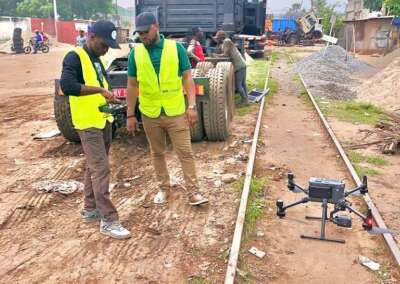
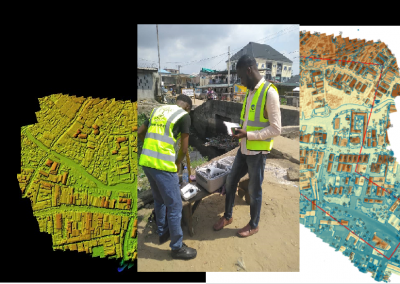
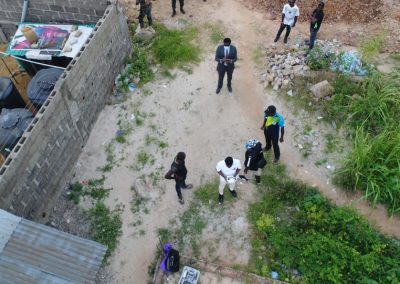
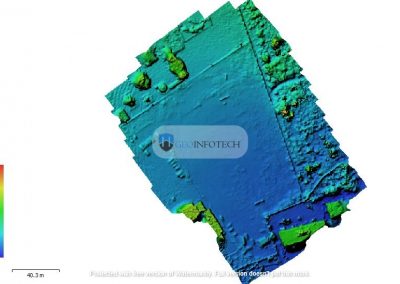
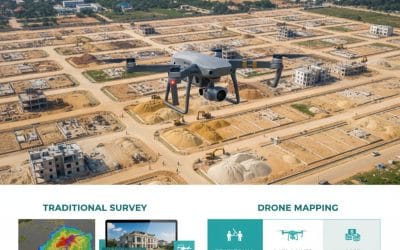
Environmental monitoring has also changed significantly with the help of GIS. Rather than relying only on occasional field surveys, we now have satellites, drones, and sensors gathering information continuously. This information flows into GIS platforms where it is analysed and mapped. We can observe deforestation, shrinking wetlands, pollution, soil degradation, coastal erosion, and wildlife movement as they happen. It provides something close to a real time view of environmental health.
Sustainable Development Through a Spatial Lens
Every development project begins with a choice. Should we build here. Can the environment support it. Will it create long term harm. GIS helps answer these questions by providing a spatial understanding of the land and resources involved.
Decision makers use GIS to locate suitable areas for development, identify sensitive habitats, evaluate environmental risks, and design solutions that minimise negative impacts. Because GIS combines environmental, social, and economic information, it supports development that is thoughtful and sustainable.
Why GIS Has Become Central to Environmental Work
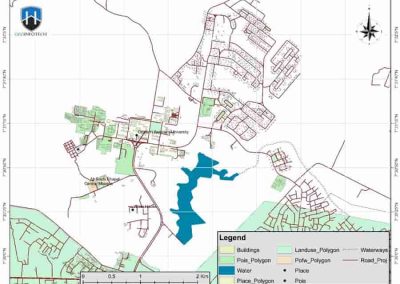
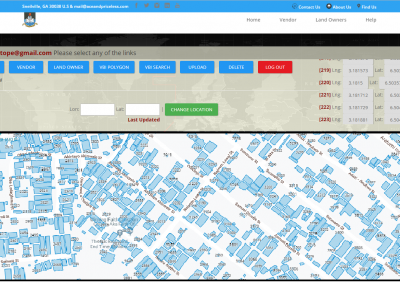
The greatest strength of GIS is its ability to integrate multiple layers of information into one clear picture. Instead of studying climate, vegetation, soils, water resources, or land use separately, GIS allows them to be analysed together. This holistic view improves the accuracy of assessments and strengthens environmental strategies.
It helps environmental managers understand not just what is happening, but why it is happening and what might happen in the future.
A Future Built on Spatial Awareness
Spatial data tells the story of a changing world. It reveals how landscapes evolve, how ecosystems respond, and how communities are affected. GIS gives us the tools to read these stories and respond with knowledge and direction.
As environmental challenges become more complex, the clarity that GIS provides grows even more valuable. It guides better planning, protects vulnerable ecosystems, and supports decisions that benefit both people and the planet.
In many ways, that is the real power of spatial data. It does more than show us where we are. It guides us toward where we need to go.