Sustainable development has become a daily priority rather than a distant aspiration. As environmental pressures intensify and cities grow rapidly, geo-innovation now provides the critical tools needed for smarter, more sustainable decision-making. From climate-risk mapping to smart city planning, geospatial technology is reshaping how governments, businesses, and communities respond to global challenges.

The Rising Role of Geospatial Sustainability
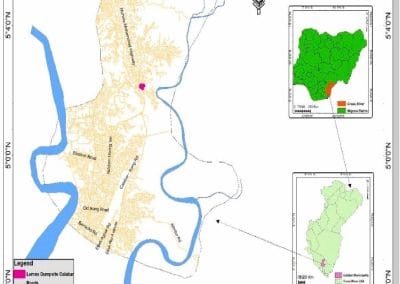
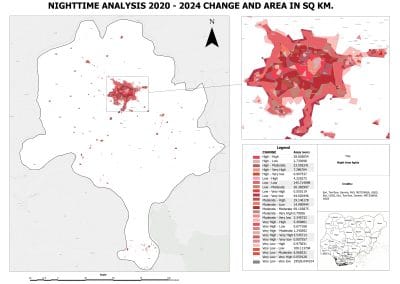
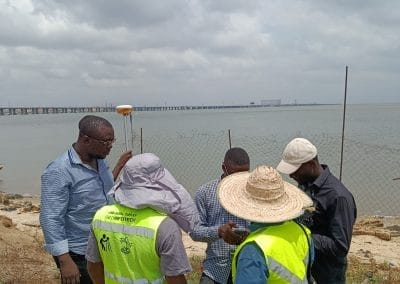
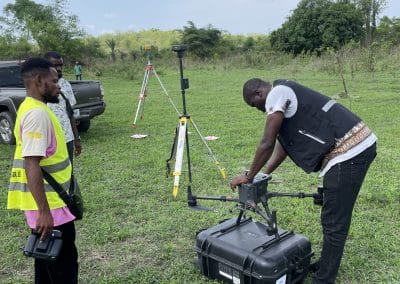
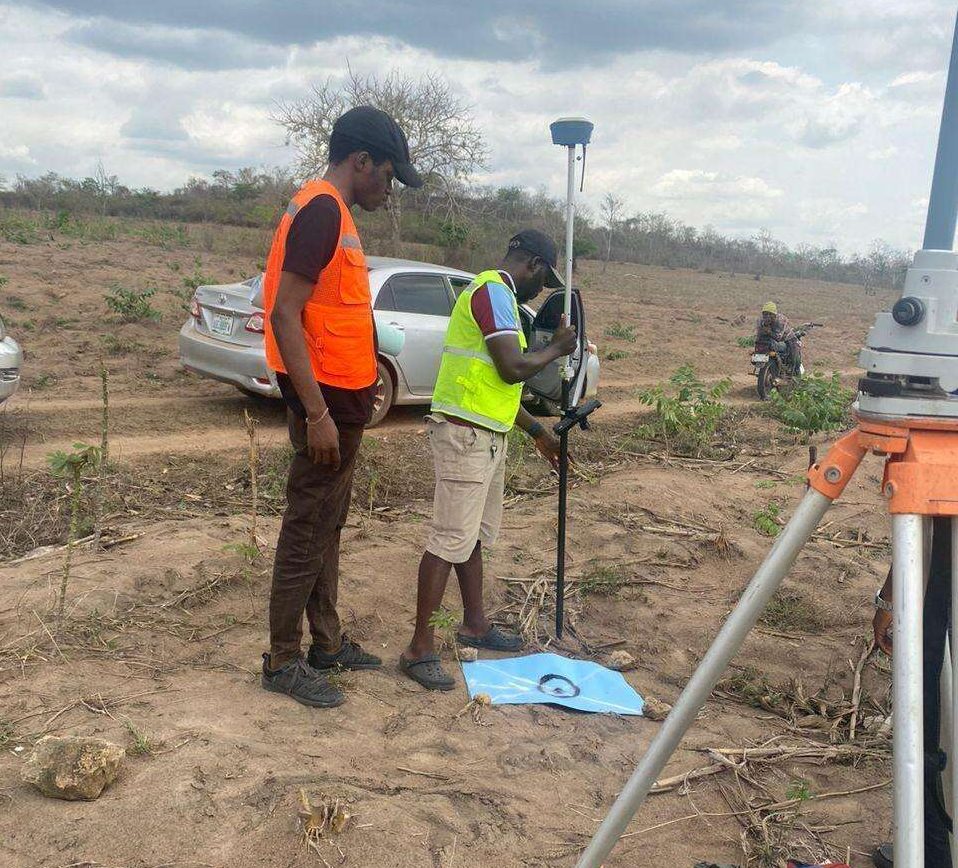
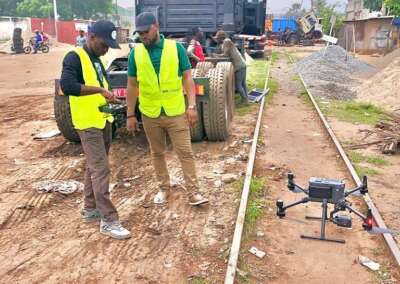
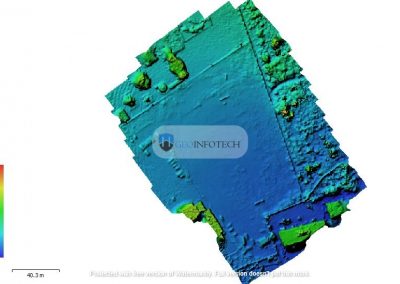
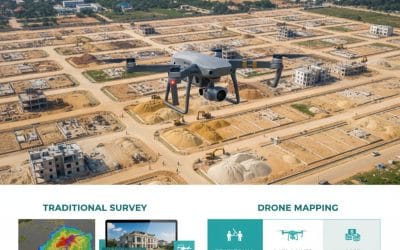
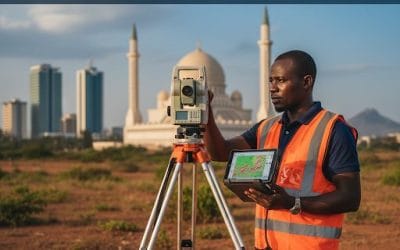
Geospatial sustainability plays a central role in modern environmental management. It uses location-based data to reveal how ecosystems function, why certain areas face greater risks, and where targeted interventions can create the most impact. With advancements in satellite imagery, GIS platforms, drones, and IoT sensors, stakeholders now access real-time environmental insights that help them act quickly and responsibly.
Geo-Innovation in Development Planning
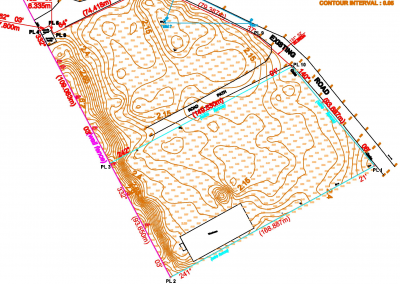
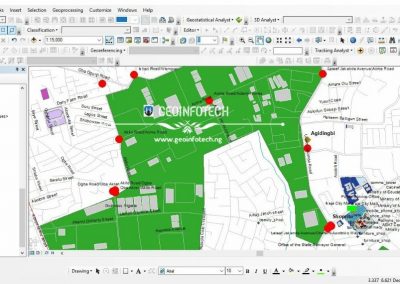
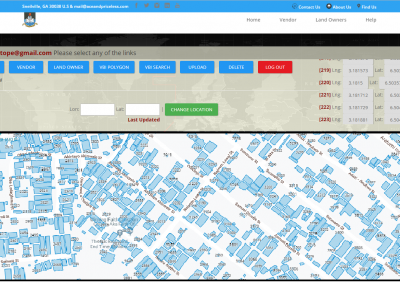
Development planning has become data-driven, and geo-innovation leads this transformation. Planners use GIS to:
model land-use scenarios
evaluate environmental risks
allocate resources efficiently
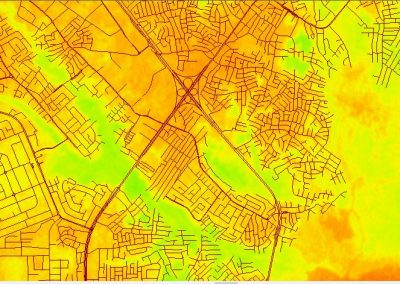
By using geospatial analytics, cities can design low-carbon transport routes, identify ideal agricultural zones, and minimize environmental impact. Additionally, geo-innovation strengthens disaster preparedness. Flood simulations, wildfire-risk maps, and hazard dashboards allow communities to anticipate threats and respond faster.
GIS for Environmental Management
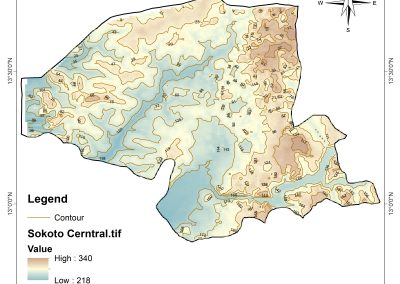
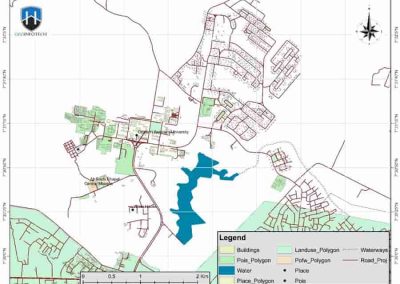
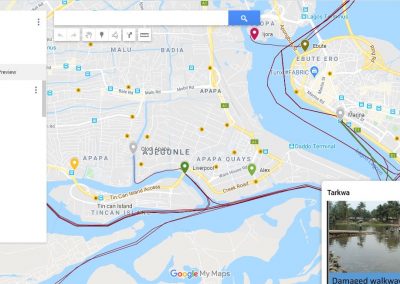
Environmental management depends on timely, accurate information — and GIS delivers exactly that. Conservation teams use GIS to track wildlife habitats, map deforestation, and monitor wetlands and waterbodies. Climate experts rely on geospatial models to predict drought, heatwaves, and sea-level rise, helping policymakers plan for long-term resilience.
When environmental information appears on maps, patterns become more visible, and solutions become easier to implement.
Smart Cities and the Power of Geospatial Data
Smart cities rely on geospatial intelligence. Location-based data strengthens systems such as:
public transportation
energy distribution
waste management
emergency response
land-use planning
infrastructure resilience
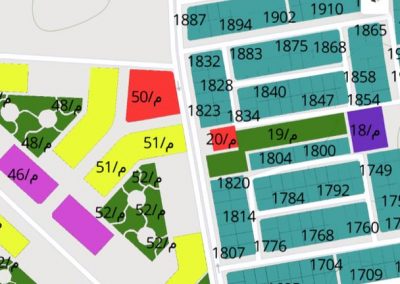
By integrating IoT sensors, 3D city models, and real-time analytics, city managers gain the visibility needed to create cleaner, safer, and more efficient urban environments.
Sustainable Mapping Solutions for the Future
The future of sustainability depends on accessible, actionable geospatial insights. Emerging tools such as open-data platforms, cloud-based GIS, and AI-driven satellite analysis are making environmental decision-making faster and more accurate.
Key innovations include:
high-resolution climate-risk mapping
AI-supported land degradation analysis
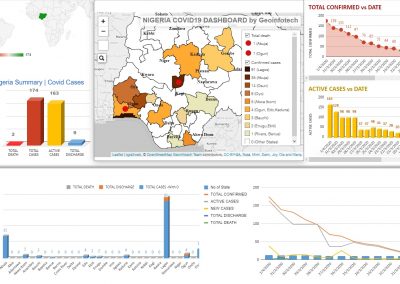
real-time SDG monitoring dashboards
sustainable agriculture mapping for crop and water planning
As technology advances, geo-innovation will continue to unlock smarter, greener, and more sustainable development pathways.