Nigeria’s Rising Demand for Intelligent Surveillance
Nigeria’s rapid urban expansion, growing maritime economy, and dependence on widely distributed critical infrastructure have transformed surveillance from a reactive security tool into a strategic national necessity.
From congested seaports and offshore oil installations to power transmission corridors, pipelines, border regions, and fast-growing cities like Lagos and Port Harcourt, the scale of assets requiring continuous monitoring is increasing every year.
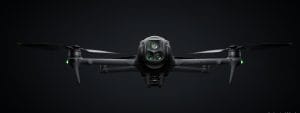
In this complex environment, drone surveillance in Nigeria has emerged as a powerful solution, delivering real-time visibility, situational awareness, and intelligence across land, sea, and air.
Why Traditional Surveillance Struggles in Nigeria
Conventional surveillance methods were not designed for Nigeria’s terrain, scale, or risk profile.
Manual patrols are costly, slow, and reactive
CCTV systems suffer from coverage gaps, vandalism, power instability, and fixed viewpoints
Satellite imagery, while useful, lacks the temporal resolution required for rapid response
By contrast, aerial surveillance services in Nigeria provide mobile, adaptive oversight, able to redeploy quickly in urban, rural, and remote environments where static systems fall short.
Strategic Advantages of Drone Surveillance in Nigeria
Drone technology aligns naturally with Nigeria’s operational realities.
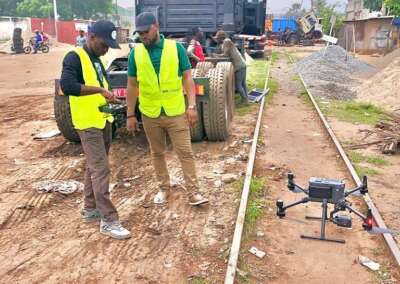
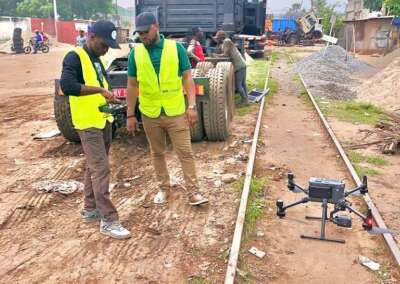
In dense urban areas, drones deliver overhead visibility without disrupting traffic or infrastructure. Across long linear assets such as pipelines, rail lines, highways, and power transmission networks, industrial drone inspection in Nigeria enables early detection of faults, encroachment, leaks, or sabotage.
This proactive monitoring capability reduces safety risks, minimizes downtime, and supports predictive maintenance rather than crisis response.
Maritime and Offshore Drone Surveillance for National Assets
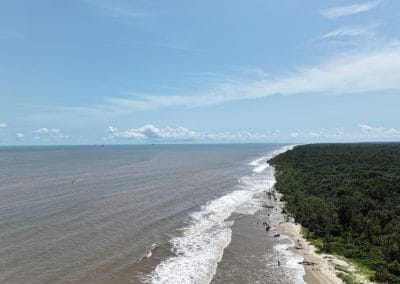
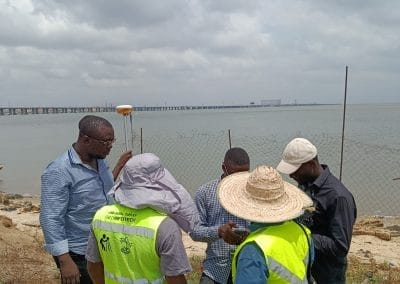
Nigeria’s maritime domain remains one of its most valuable and vulnerable economic zones. Ports, shipping lanes, and offshore platforms require continuous monitoring to manage security threats, environmental exposure, and regulatory compliance.
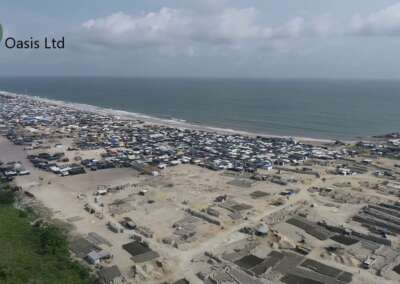
Maritime and critical infrastructure surveillance using drones provides near real-time tracking of vessel activity, offshore installations, and coastal approaches. Compared to manned patrols or fixed systems, drones offer broader coverage, faster deployment, and lower operational risk, strengthening both asset protection and governance.
Drones in Emergency Response and Situational Awareness
Drone surveillance plays a vital role beyond routine monitoring.
During floods, fires, industrial incidents, pipeline failures, or security emergencies, drones deliver immediate clarity on:
Incident scale
Movement patterns
Risk exposure zones
In a country where response time often determines impact, drone security solutions in Nigeria enable faster, better-coordinated decision-making by replacing delayed field reports with live aerial intelligence.

From Aerial Footage to Actionable Intelligence
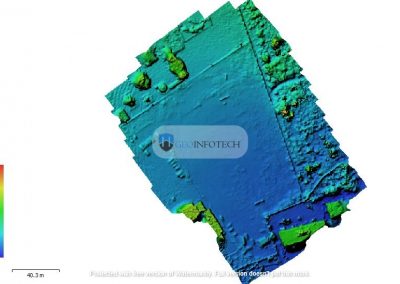
The real value of drone surveillance is not the flight itself, it’s the intelligence produced.
High-resolution sensors, reliable data transmission, and disciplined analytics transform raw footage into decision-ready intelligence. When integrated into operational and governance workflows, drone data supports compliance, risk reduction, and long-term infrastructure resilience rather than serving as standalone visuals.
Geoinfotech’s Role in Nigeria’s Aerial Surveillance Ecosystem
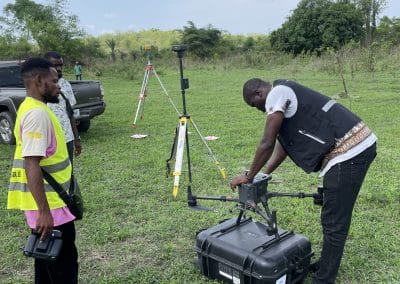
Within Nigeria’s evolving aerial intelligence landscape, Geoinfotech stands out for its intelligence-led approach to drone surveillance.
Operations are guided by:
Regulatory compliance
Data accuracy and integrity
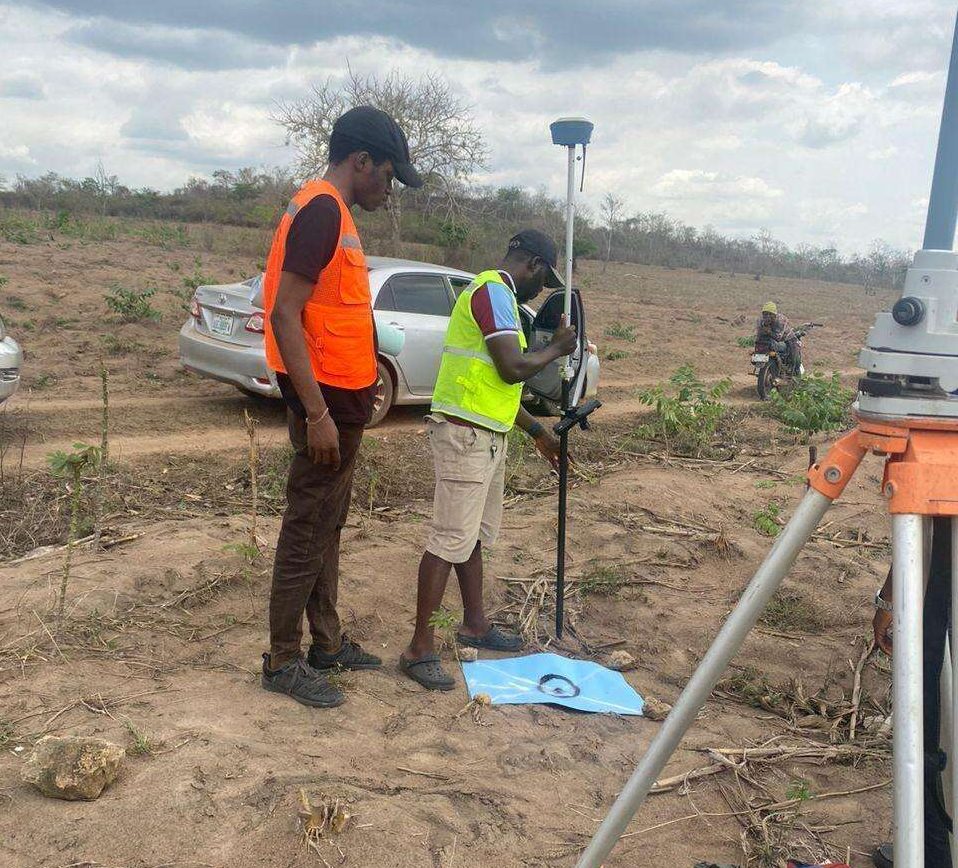
Deep understanding of Nigeria’s urban, industrial, and maritime environments
By prioritizing intelligence outcomes over drone deployment, aerial surveillance is positioned as a governance, safety, and risk-management capability not just a technology service.
The Future of Drone Surveillance in Nigeria
Over the next decade, drone surveillance in Nigeria will become a core component of national security, infrastructure protection, and sustainable development.
As assets grow more interconnected and risks more dynamic, aerial intelligence will shift from supplementary oversight to essential operational infrastructure. Organisations that combine regulatory discipline, local expertise, and intelligence-driven deployment will define this future, reinforcing drone surveillance as a foundation for Nigeria’s long-term security and resilience.