Introduction
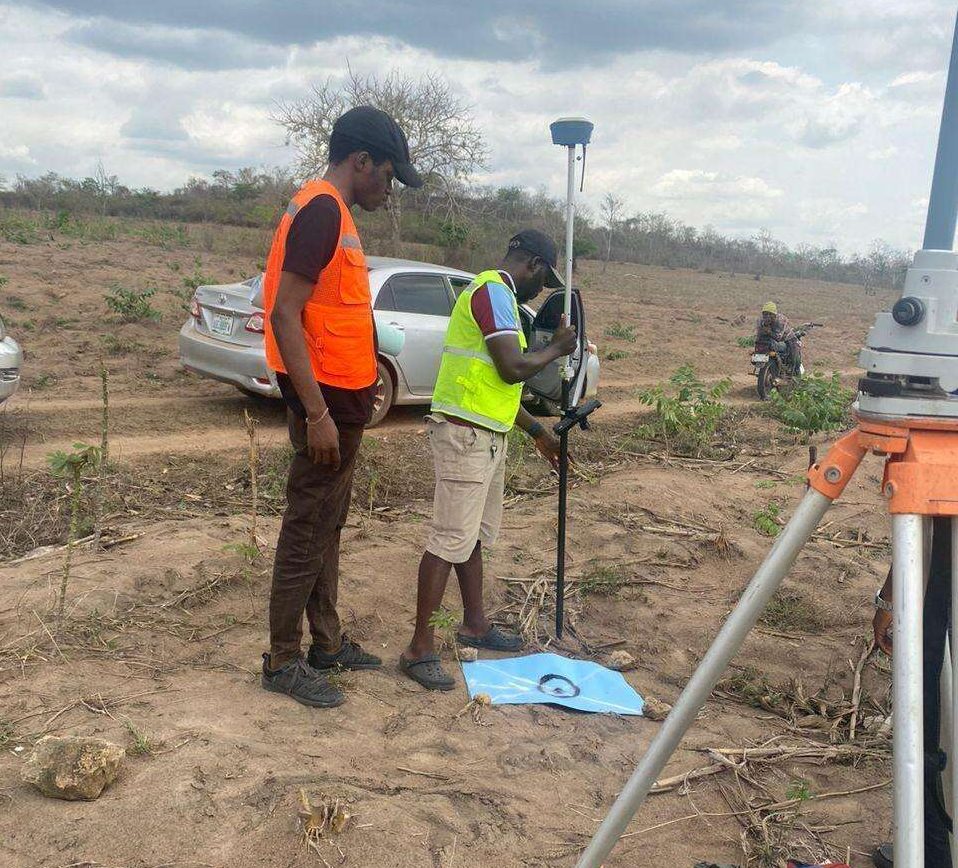
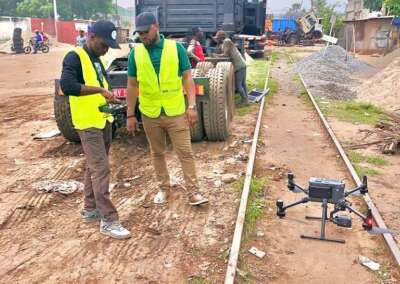
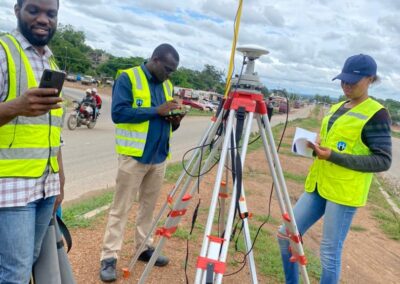
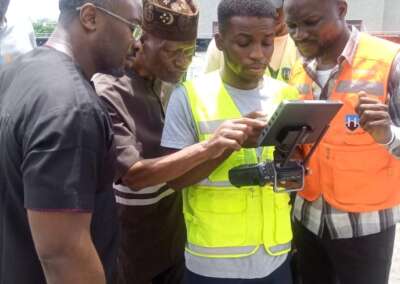
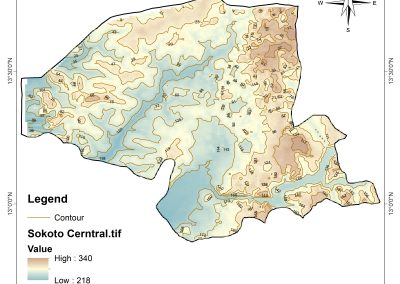
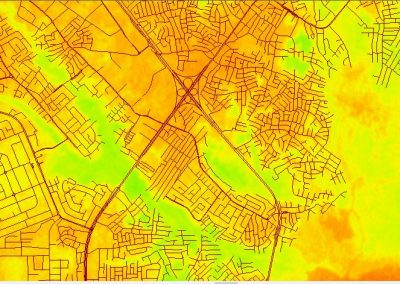
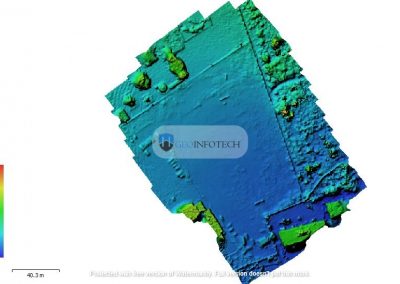
Geographic Information Systems (GIS) and drone technology now drive innovation across multiple industries. These tools provide location-based intelligence that improves planning, monitoring, safety, logistics, and resource management. By capturing accurate geospatial data and visualizing patterns, GIS and UAVs support digital transformation, helping industries make smarter decisions, reduce operational costs, and improve productivity.
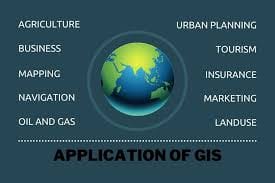
Today, sectors such as agriculture, utilities, logistics, urban planning, healthcare, telecommunications, and environmental management rely heavily on GIS to analyze spatial relationships, manage assets, and monitor change.
Key Industries Benefiting from GIS
1. Agriculture : Farmers use GIS for precision agriculture, mapping soil types, monitoring crop health, predicting drought, planning irrigation, and managing pests. Drones collect real-time crop data, improving yield forecasts and reducing input costs.
2. Transportation and Logistics: GIS powers route optimization, fleet tracking, and supply chain management. Companies like FedEx and UPS use location analytics to reduce delivery time and fuel costs while improving customer satisfaction.
3. Utilities (Power, Water, Gas): Utility companies manage vast networks of pipelines, cables, poles, and substations using GIS. It aids in outage management, network planning, maintenance tracking, and renewable energy site selection.
4. Urban Planning & Government: Planners design smart cities using GIS to allocate resources, manage infrastructure, analyze population data, and coordinate services like waste collection, transport, and law enforcement. Governments also use GIS to manage land records and census data.
5. Architecture, Engineering & Construction (AEC): GIS supports site selection, risk assessment, and infrastructure design. By integrating GIS with BIM, engineers create models that combine geographic context with structural details, improving project planning and sustainability.
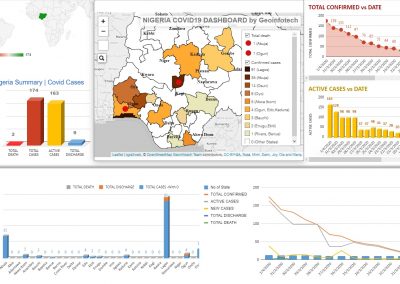
6. Public Health & Healthcare: Health organizations use GIS to map disease outbreaks, track hospital locations, plan emergency response, and allocate health resources. It played a major role in global pandemic response strategies.
7. Environmental and Natural Resource Management: GIS helps monitor forests, oceans, minerals, wildlife, and land resources. Conservationists use it to track deforestation, manage parks, plan timber harvesting, and control illegal mining activities.
8. Disaster Management: GIS identifies high-risk areas, predicts disaster impact zones, coordinates emergency crews, and analyzes post-disaster damage. It enhances preparedness and speeds up recovery operations.
9. Real Estate & Banking: Businesses use GIS for market research, property valuation, site selection, and customer demographic analysis. In banking, GIS supports credit risk mapping and branch network planning.
10. Telecommunications: Telecommunication companies use GIS for tower location planning, fiber routing, network optimization, and asset monitoring.

How Industries Benefit from GIS
Improved Decision Making through visual analytics
Enhanced Efficiency using route optimization & asset tracking
Risk Assessment & Management for safety, insurance, and planning
Better Communication & Collaboration using geospatial dashboards
Cost Reduction & Increased Productivity via automation and real-time data
Conclusion
GIS and drone technology have become critical for solving complex industry challenges. As organizations continue to digitize workflows, the demand for geospatial expertise will grow. GIS and UAVs will power smart cities, environmental sustainability, industrial automation, and data-driven development.
For professional GIS mapping, drone surveys, and geospatial training, contact Geoinfotech Resources Limited, a leading provider of geospatial solutions in Nigeria and beyond.