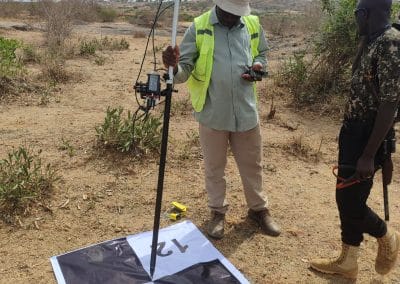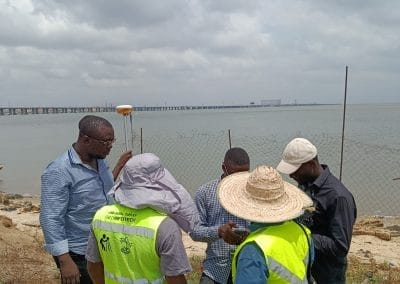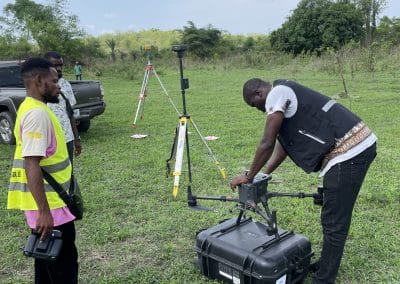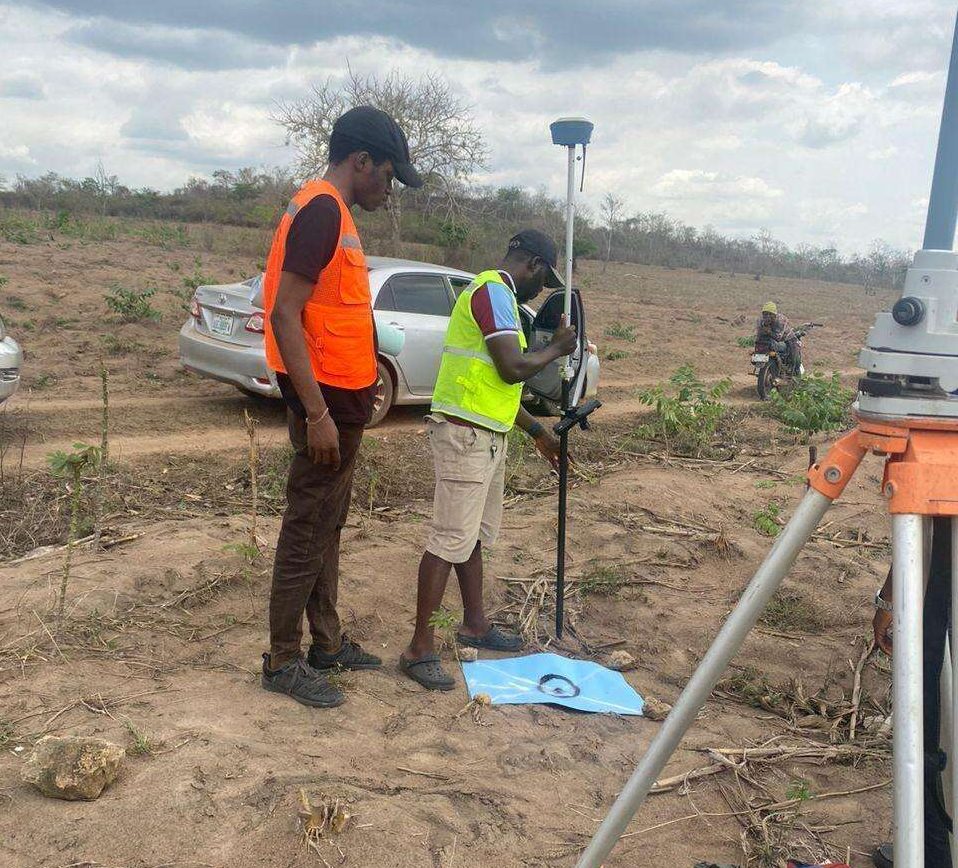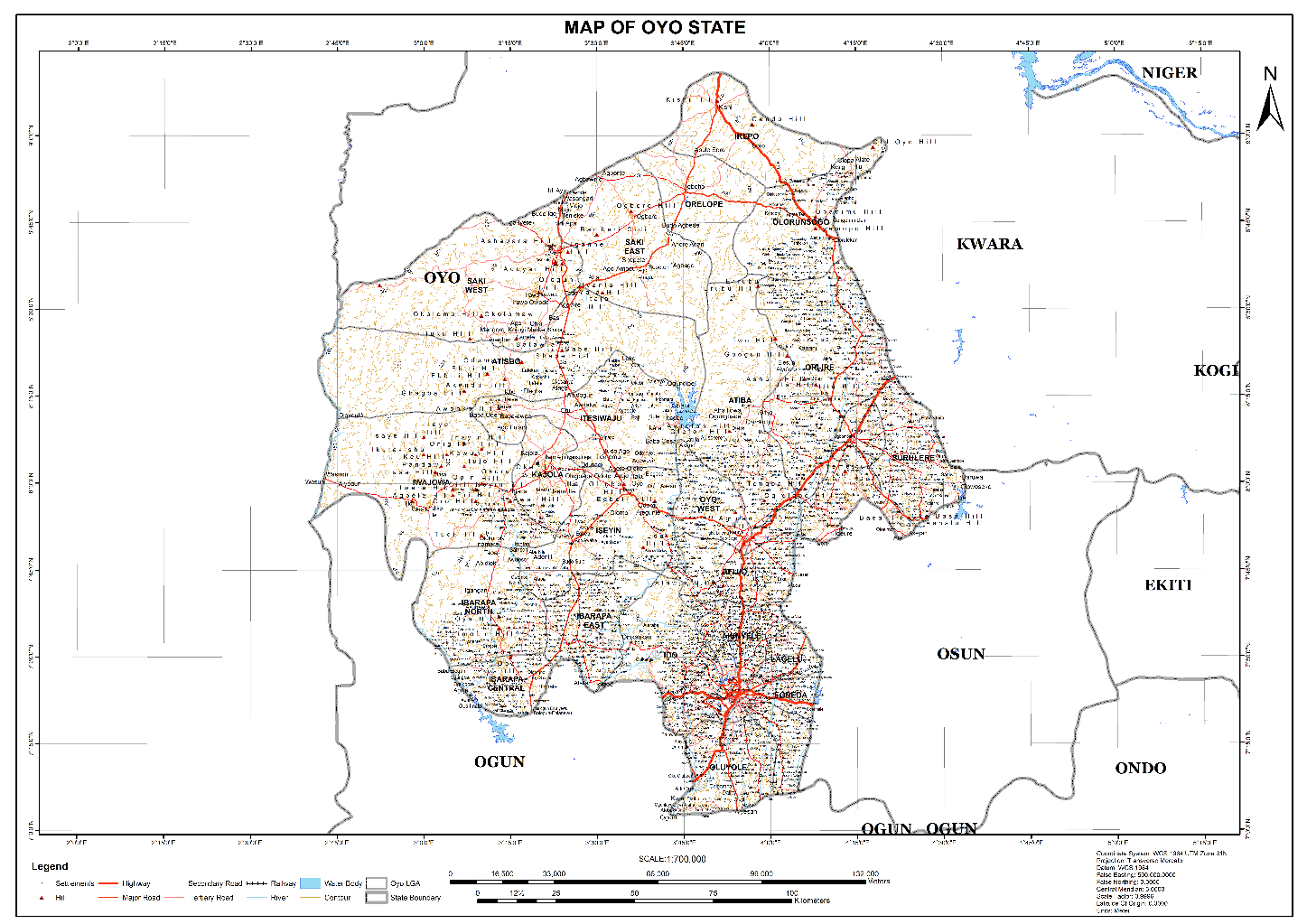

Application of Gis in agriculture has been playing an increasingly important role in crop production throughout the world.
It has helped farmers in increasing production, reducing costs, and managing their land resources more efficiently.
GIS in agriculture helps farmers to achieve increased productivity and reduced costs by enabling better management of land resources.
Droughts, floods, swarms of insects and poor farming techniques have plagued the agricultural community for centuries.
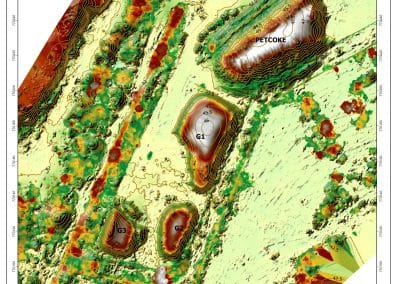
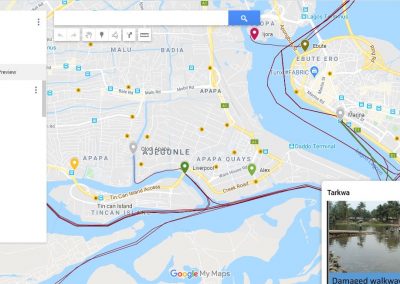
Geographic Information Systems are incredibly helpful in being able to map and project current and future fluctuations in precipitation, temperature, crop output, and more.
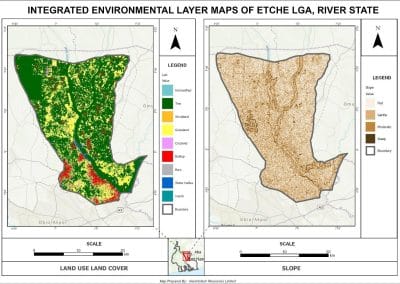
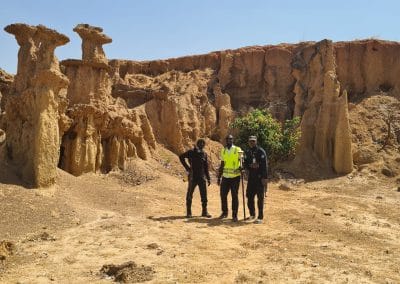
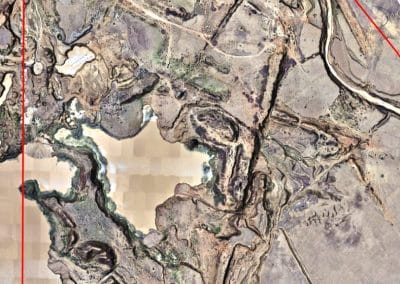
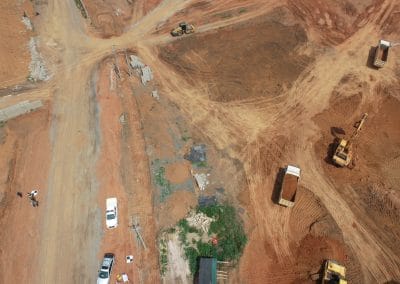
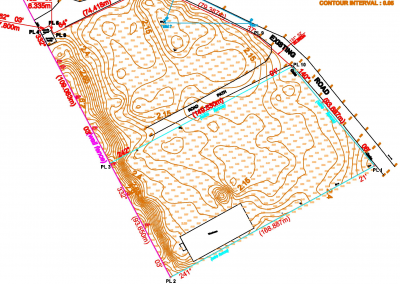
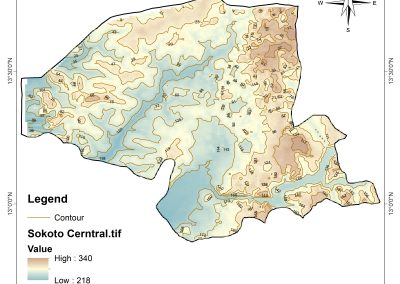
By mapping geographic and geologic features of current (and potential) farmland, scientists and farmers can work together to create more effective and efficient farming techniques.
This could increase food production in parts of the world that are struggling to produce enough for the people around them.
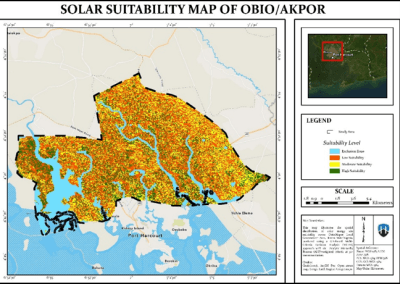
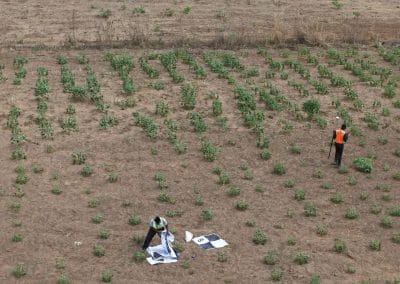
It can also analyze soil data combined with historical farming practices to determine what are the best crops to plant, where they should go, and how to maintain soil nutrition levels to best benefit the plants.
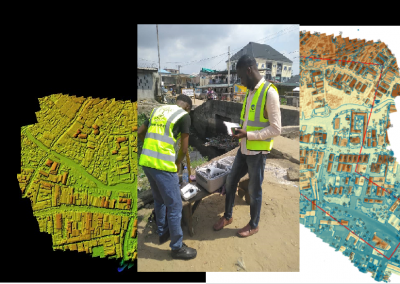
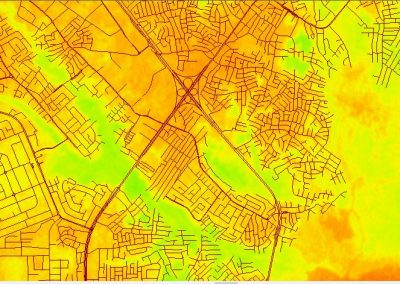
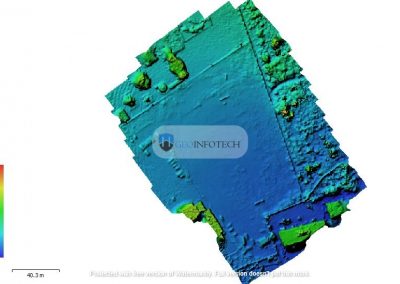
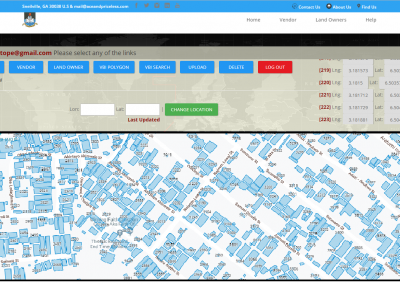
Agricultural mapping under GIS plays a vital role in monitoring and management of soil and irrigation of any given farmland.
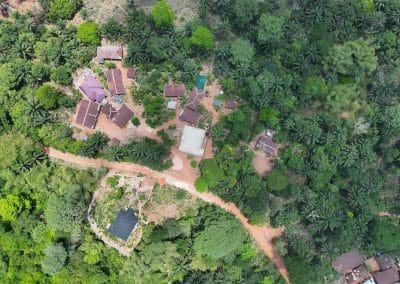
One major uses of agriculture in GIS helps in the management and control of agricultural resources.